Salmon Creek homes run a median income near $100,534 and openers mostly dating to the late 1980s. We travel from Vancouver, 6 miles out, to fix or replace them.
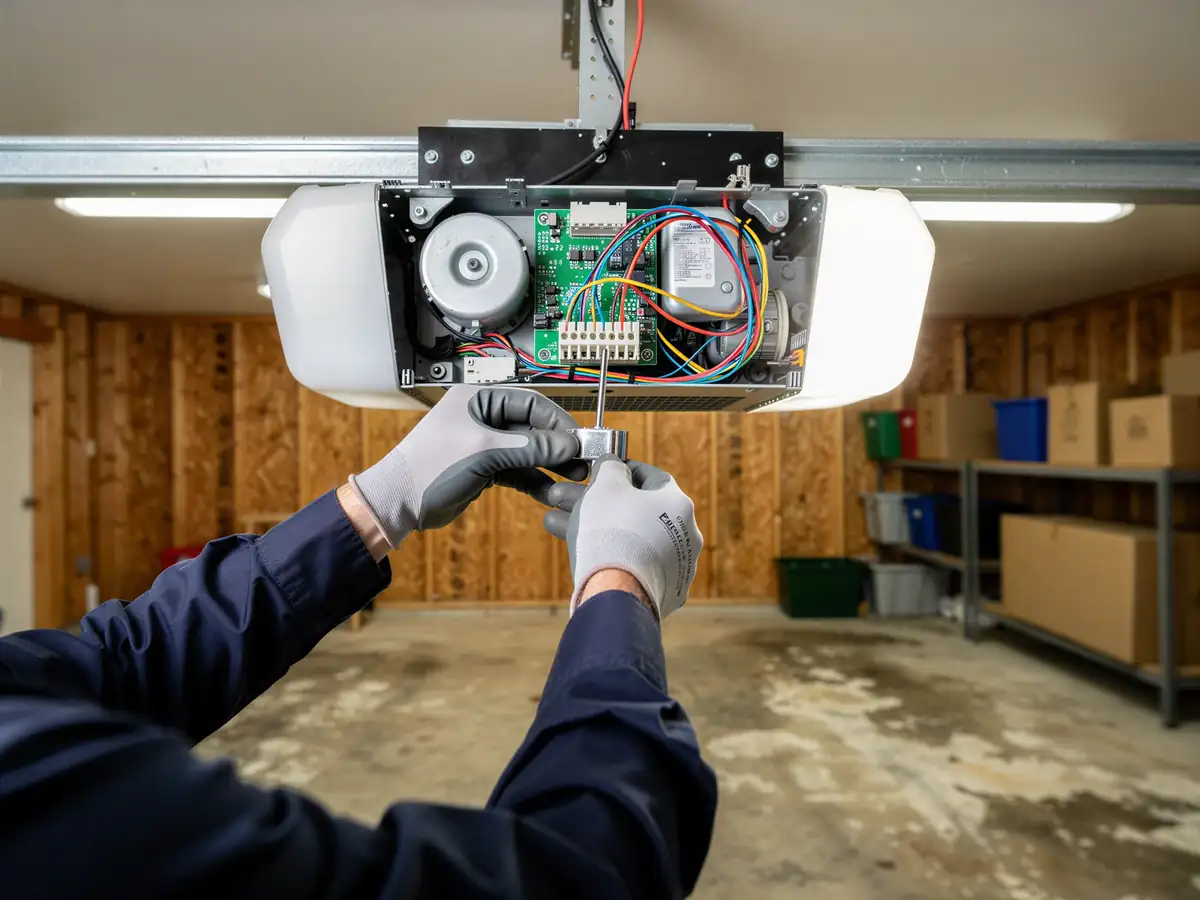
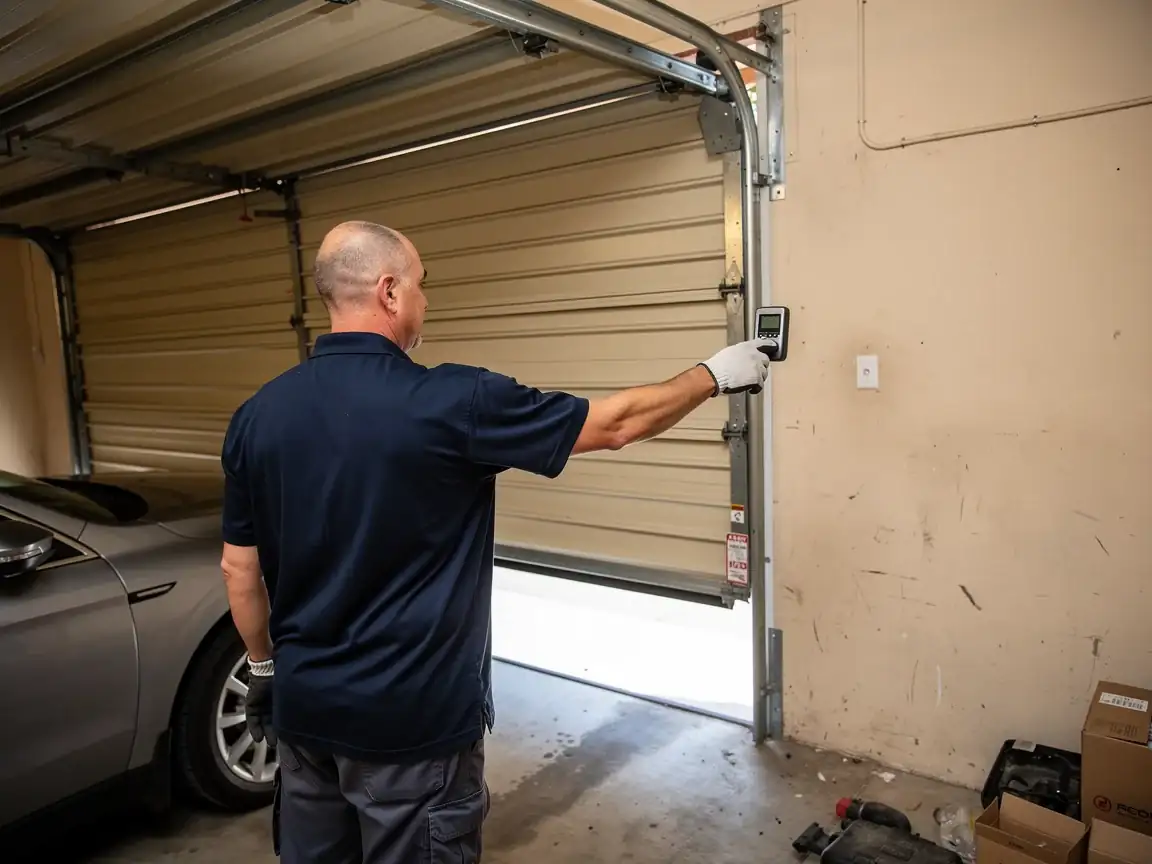
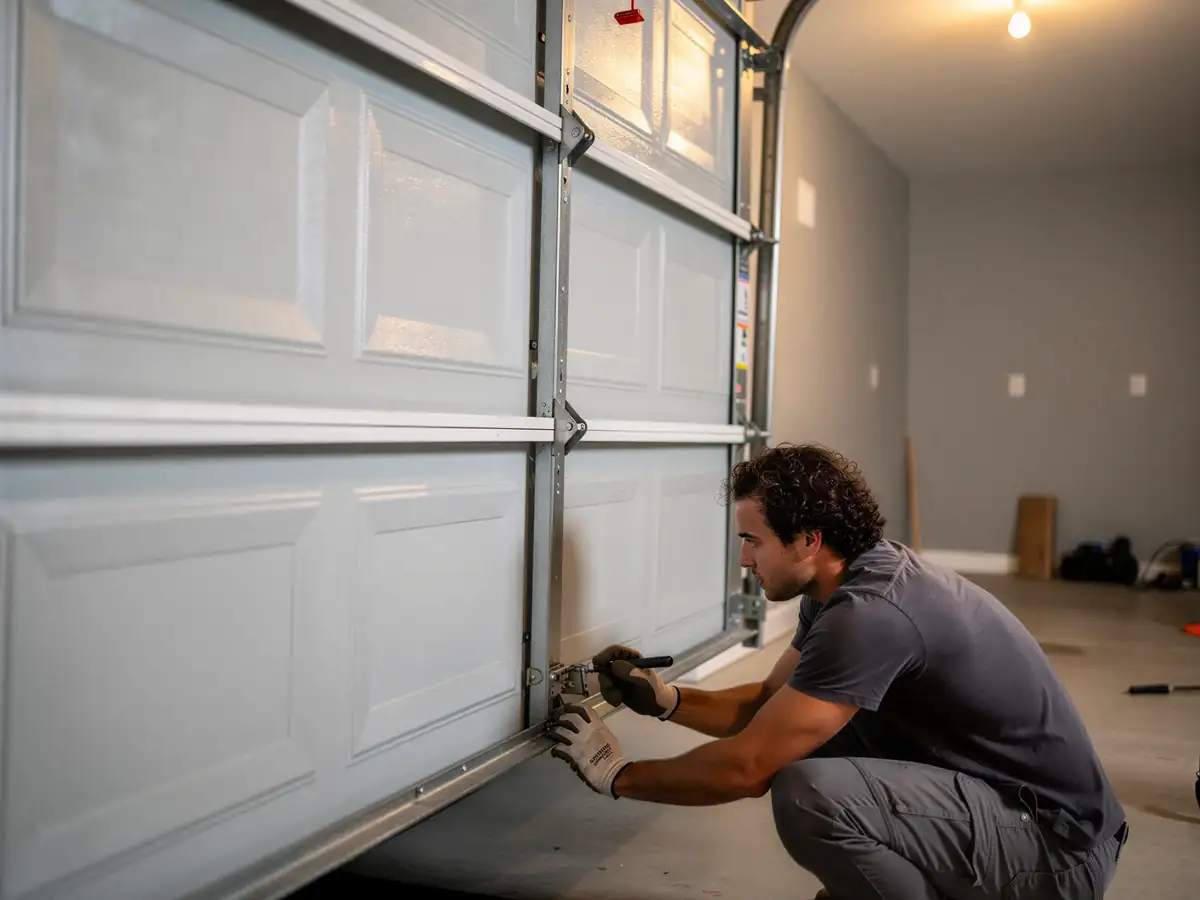
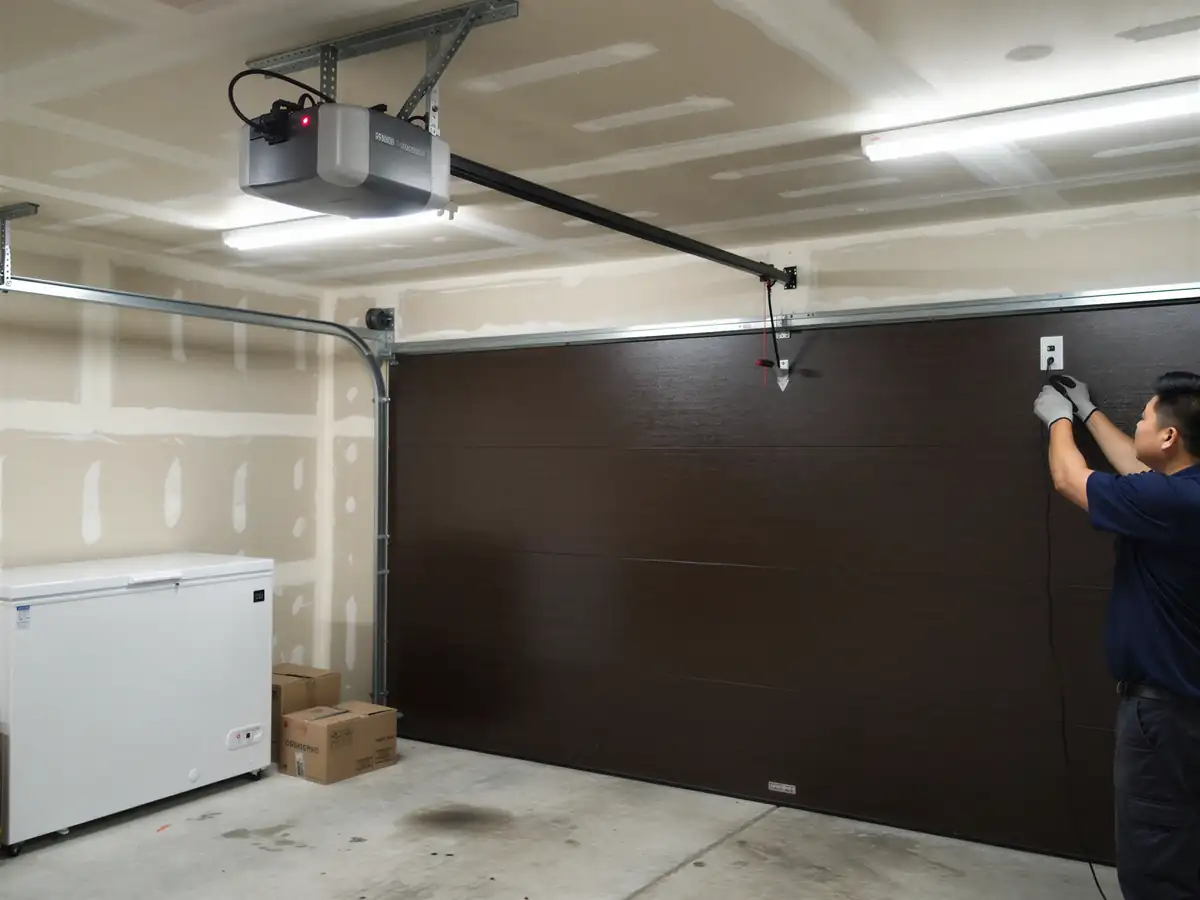
We start with the opener head itself - the motor unit mounted to the ceiling - because in a neighborhood where the median house went up around 1988, that's usually original equipment or a single replacement from the 1990s or 2000s. We check the circuit board, the drive gear (the plastic part that strips first on chain and belt units from that era), the limit switches, and the safety sensors near the floor. If the board's fried or the gear's stripped, we replace the part rather than the whole unit when the opener's chassis and motor are still sound. Most calls here are one of three things: a dead board, a worn drive gear, or sensors knocked out of alignment, which reads to the homeowner as 'the door won't close' even though the door itself is fine. We test the whole cycle before we call it done - open, close, reverse on obstruction, remote range - not just the one symptom you called about.
What You Are Seeing
The opener units installed through the late 1980s and into the 1990s around Salmon Creek were built for lighter doors than a lot of what's hanging on garages now. If a door's been swapped out for a heavier insulated panel but the opener never got upgraded, you get a motor straining on every cycle, a chain that jumps, or a unit that just quits mid-lift. Add in our climate band - mild most of the year with occasional freeze stretches - and a gear box that's never been lubricated can seize up hard on the one cold morning it finally gets stressed. Other common complaints: the opener runs but the door doesn't move (worn gear or slipped chain), the light blinks and won't operate (safety sensor misalignment), or the remote works intermittently (dying board or failing antenna).
Booking a Visit
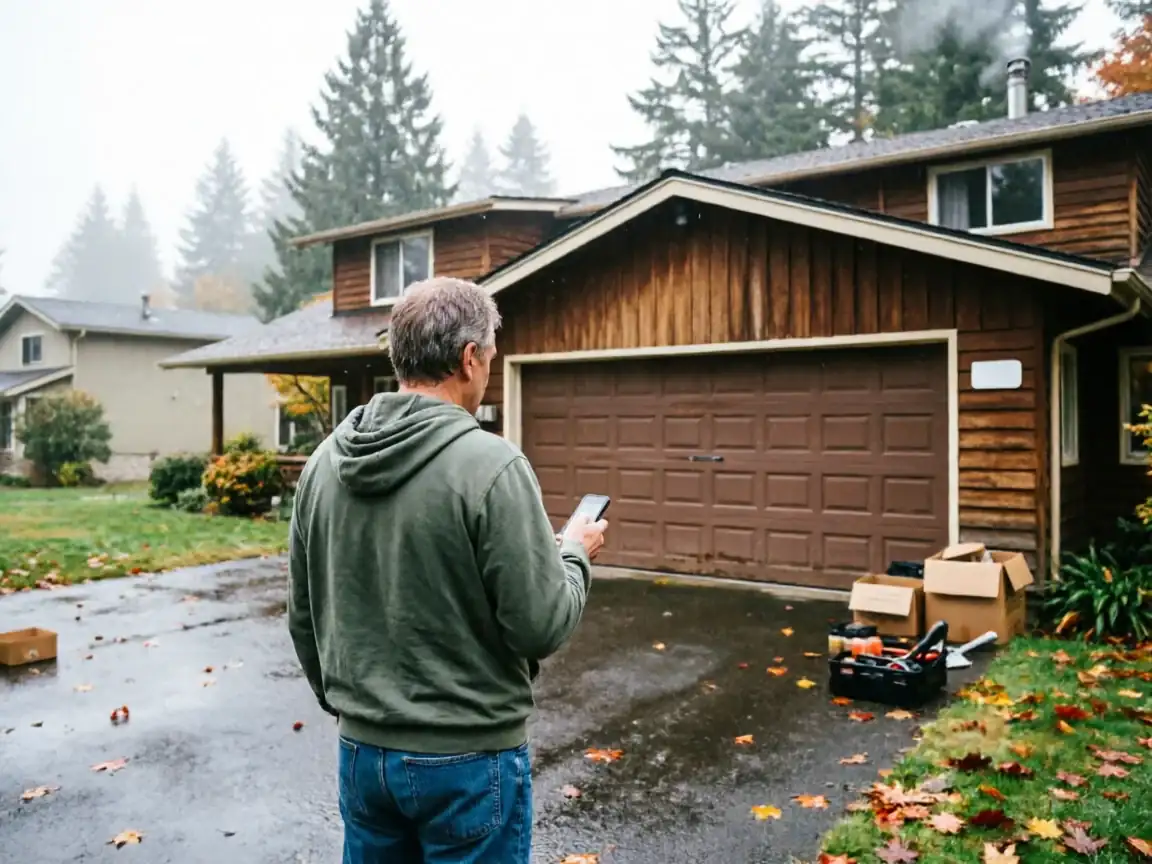
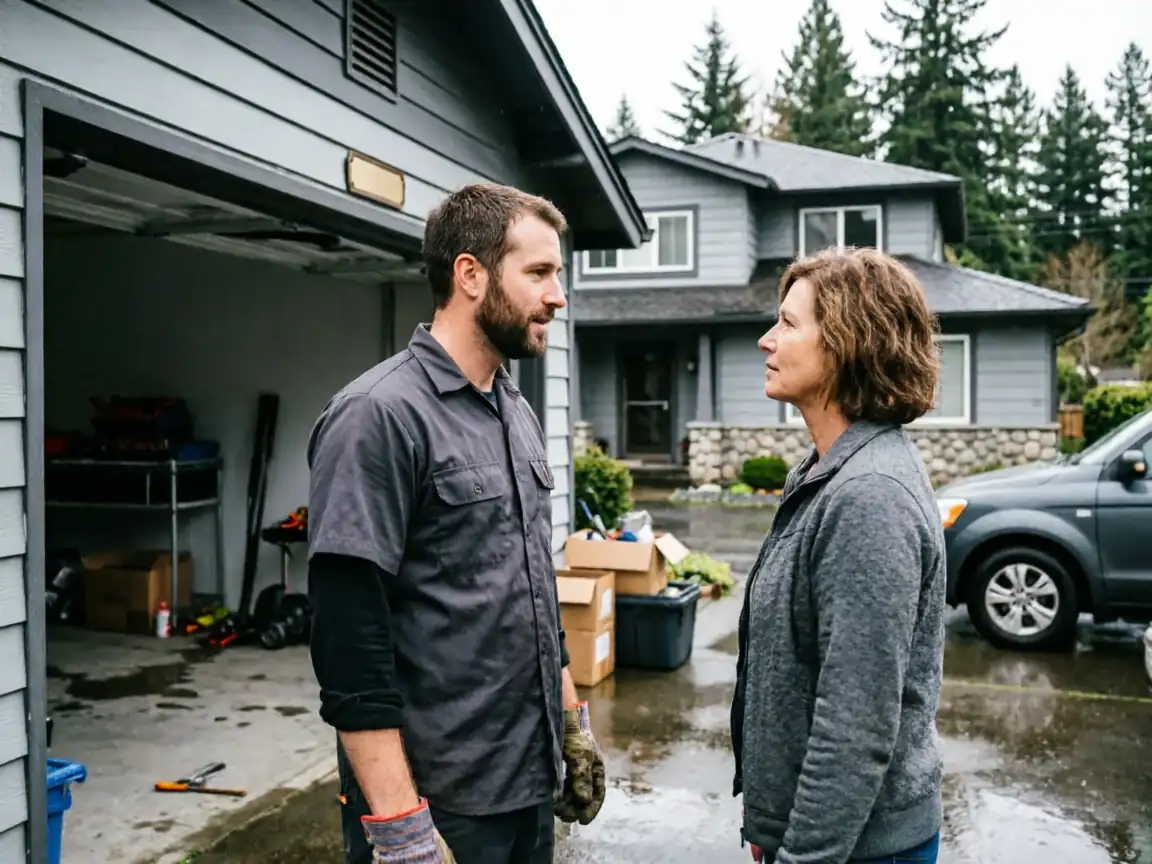
We're based in Vancouver and cover Salmon Creek as part of our regular route, about 6 miles out. Tell us the opener's age if you know it, what the door does when you hit the button, and whether anything changed recently - new door, new remote, a storm. That gets us the right part on the truck instead of a second trip. We book the visit, diagnose on site, and quote the fix before any work starts.
How Long You Are Without the Door
A board swap or drive gear replacement is usually a same-visit fix once we've confirmed what failed - we carry the common parts for openers from the 1980s through 2000s because that's what's on most of these garages. If the unit itself needs full replacement, or if a part has to be special-ordered because the opener's old enough that the manufacturer's changed the design twice since, that visit becomes two: one to confirm, one to install. We'll tell you straight if your job is the first kind or the second before we leave the driveway.
What It Costs
Salmon Creek's median household income sits at $100,534, noticeably higher than the service area average of $117,550 might suggest for a single suburb - which matters here because it changes where the repair-or-replace line falls. At this income level, most owners we see choose to repair a working chassis with a bad board or gear rather than replace the whole opener, since the part cost is a fraction of a new unit and the motor itself is often still good. Where we steer people toward replacement instead is when the opener predates basic safety reversal - not worth patching old safety systems when a new unit with proper sensors costs what it costs. We don't post a flat number here because board, gear, and sensor jobs price differently; we quote on site before touching anything.
Parts We Carry
On the truck we keep circuit boards, drive gears, drive belts and chains, safety sensor pairs, and remotes that fit the openers common to houses built in the 1988 range - which covers a large share of what's installed in Salmon Creek. What we don't always carry is a part for a unit that's been discontinued long enough that the manufacturer's stopped stocking it; those can mean a short wait on a special order rather than a same-visit fix. We'll tell you up front if your opener falls into that category instead of promising a part we don't have in hand.
How it works
From “it’s stuck” to “it’s fixed”
01
Tell us what’s wrong
Describe the symptom - won’t open, loud bang, opener runs but the door won’t move.
02
On-site diagnosis
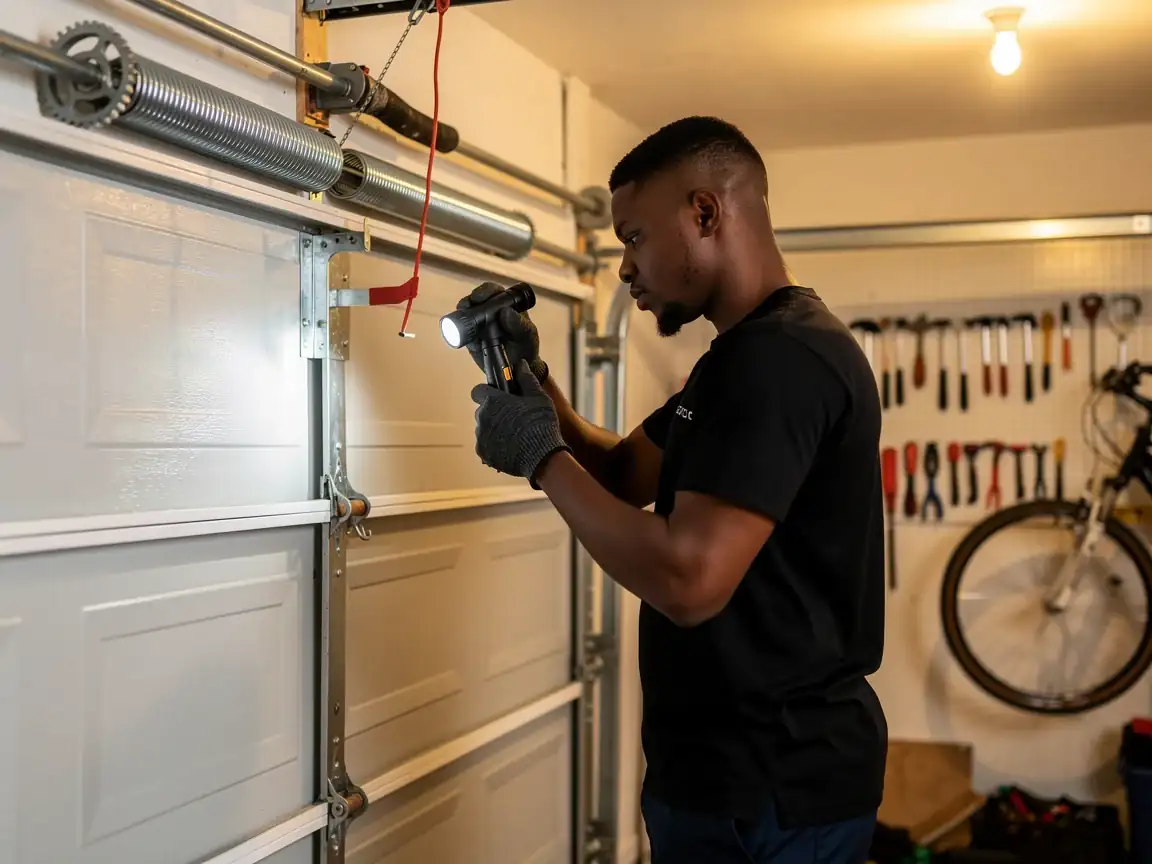
A technician tests the door under power and by hand and finds what actually failed.
03
Clear, up-front plan
You get the fix that’s needed and what drives the cost - before any work starts.
04
Repaired & tested
The repair is done, the door is set true and tested, and the work area left clean.
Not sure which repair your door needs in Vancouver, WA? Describe what it’s doing - every job starts with a diagnosis.
Straight answers about garage door repair in Vancouver. Still unsure? Ask us directly.
Is my opener old enough to just replace instead of repair?
Depends on what's failed. If the board or drive gear is the only bad part and the motor's fine, repair usually makes more sense than replacing the whole unit, especially at Salmon Creek's income level where that's the more common call. If it predates modern safety reversal, we'll usually recommend replacement instead.
Do you have a shop in Salmon Creek?
No. We're based in Vancouver, about 6 miles away, and cover Salmon Creek on our regular route. We diagnose and quote on site at your house, not over the phone.
Why did my opener die on the one cold morning this winter?
Our climate here is mild most of the year with occasional freeze stretches, and a gear box that's never been lubricated tends to seize on exactly that one cold morning instead of failing gradually. It's a sign of age catching up, not a new problem.
How old is a typical opener in this neighborhood?
Houses in this part of the service area have a median build year around 1988, so a lot of original or first-replacement openers here are from the late 1980s through the 2000s. That's the range we stock parts for most heavily.