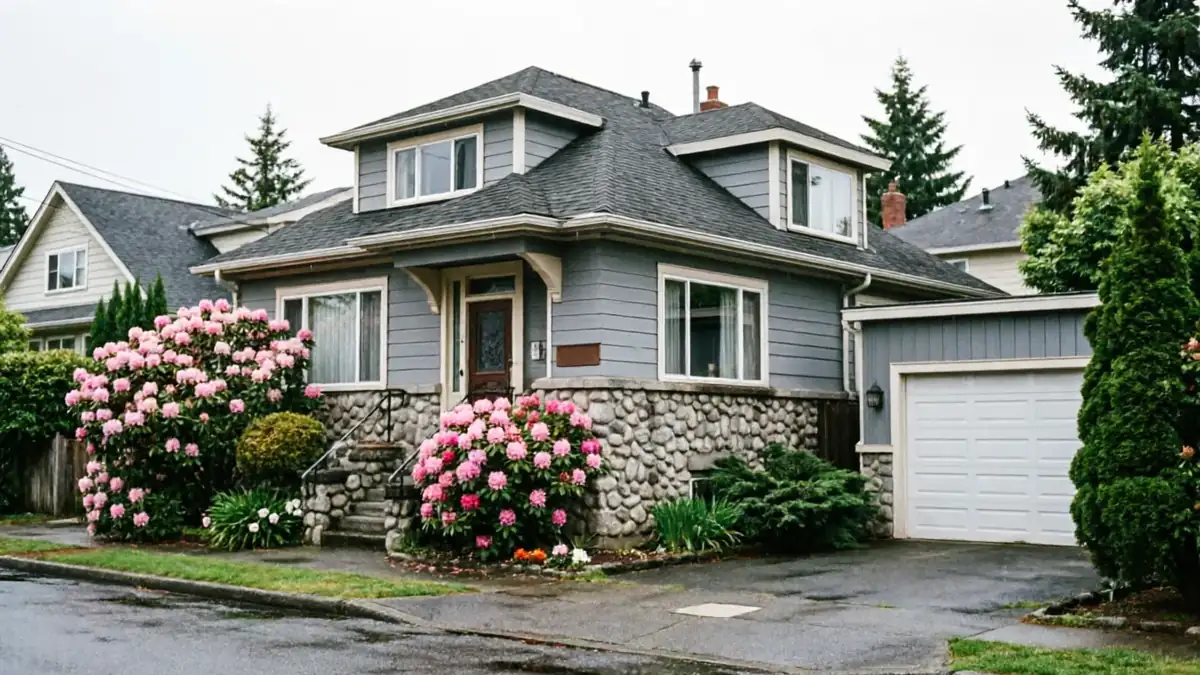
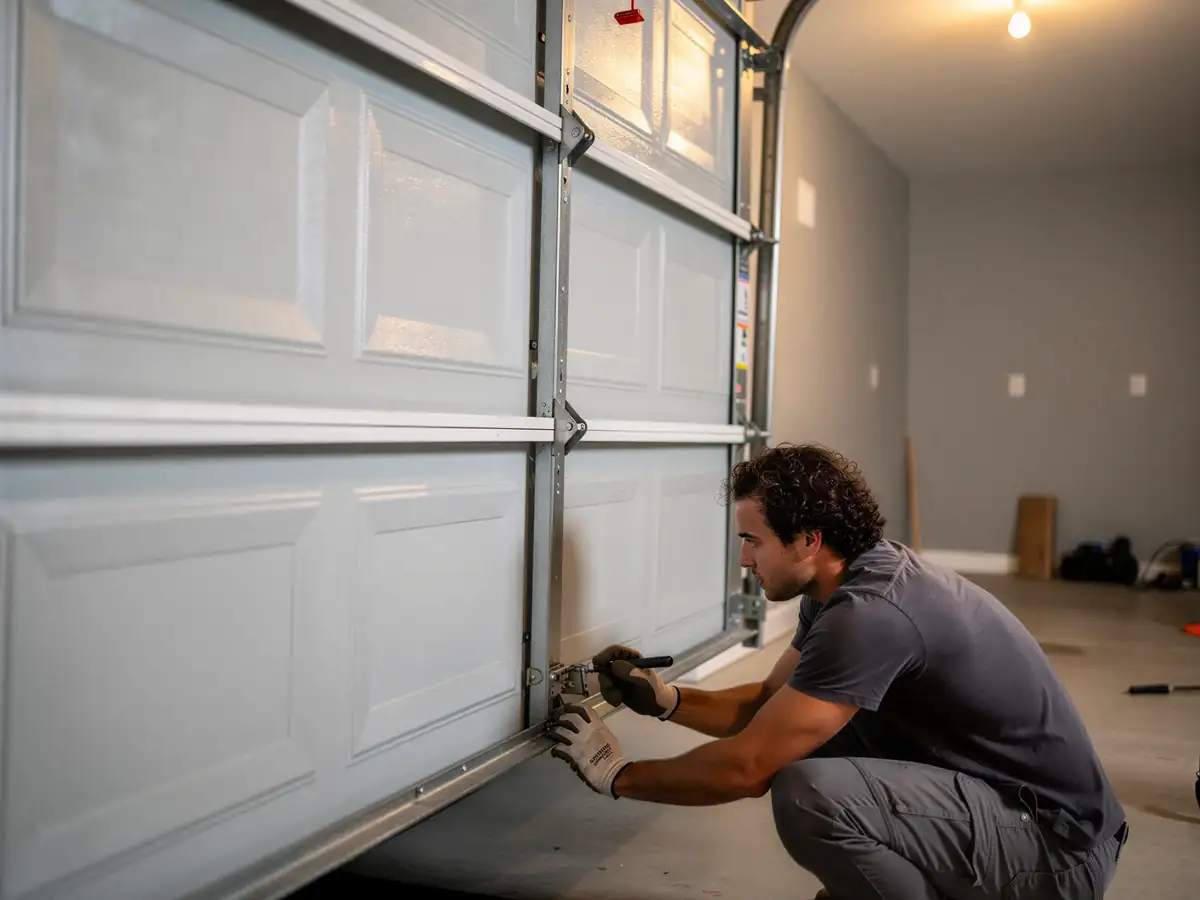
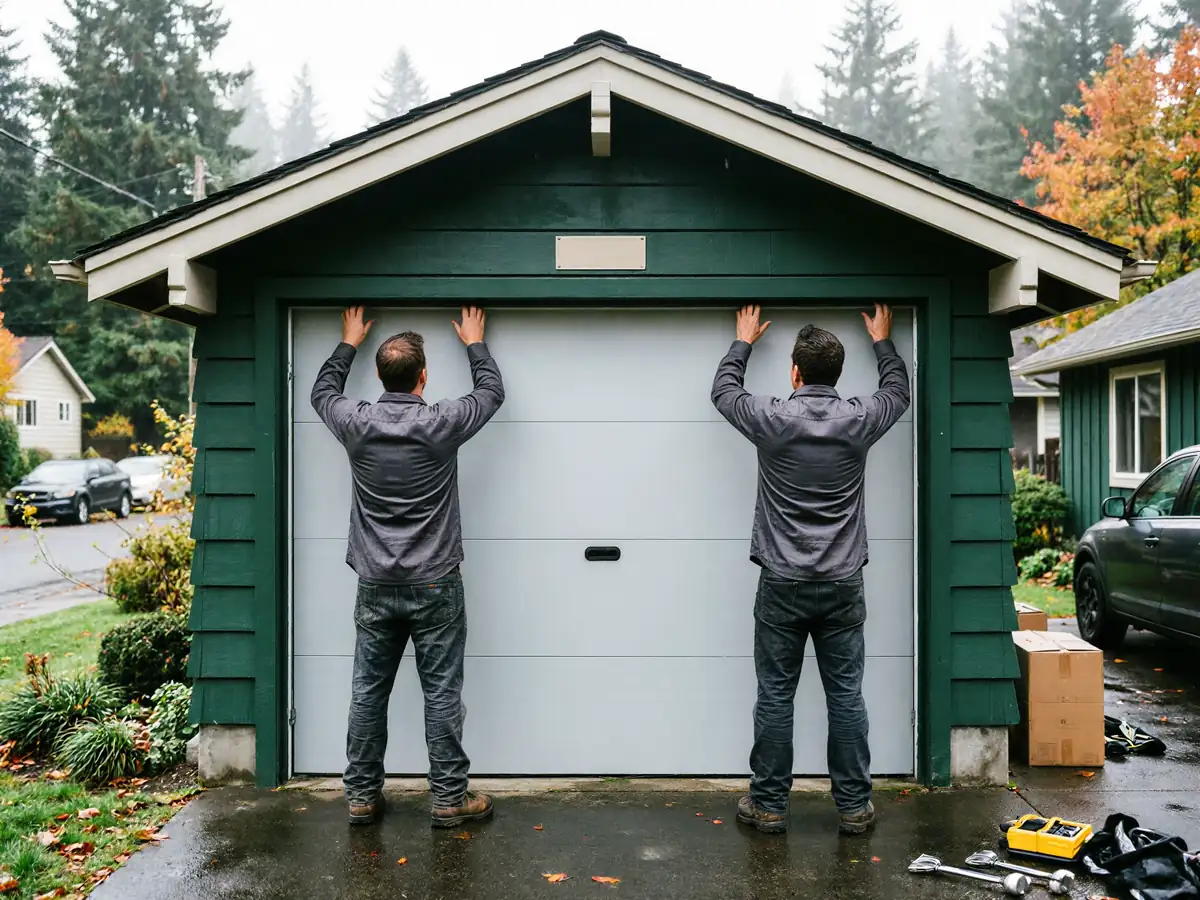
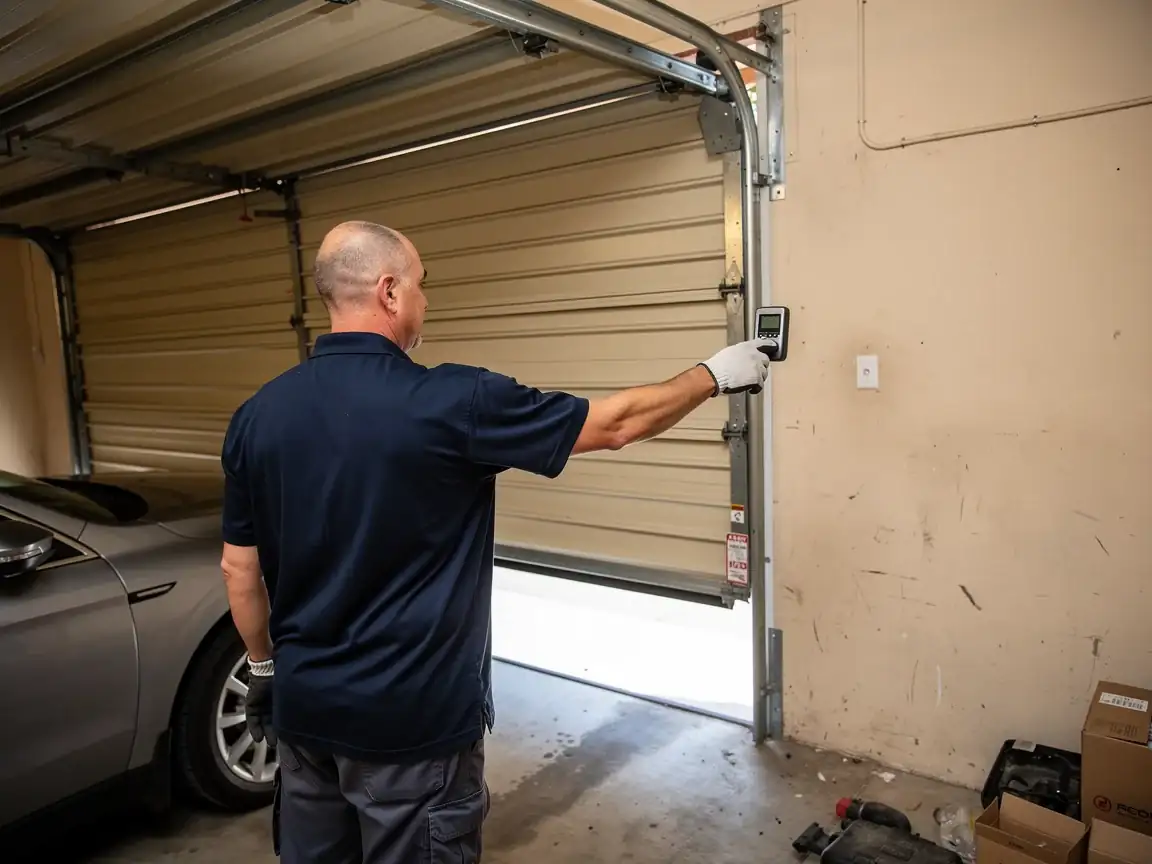
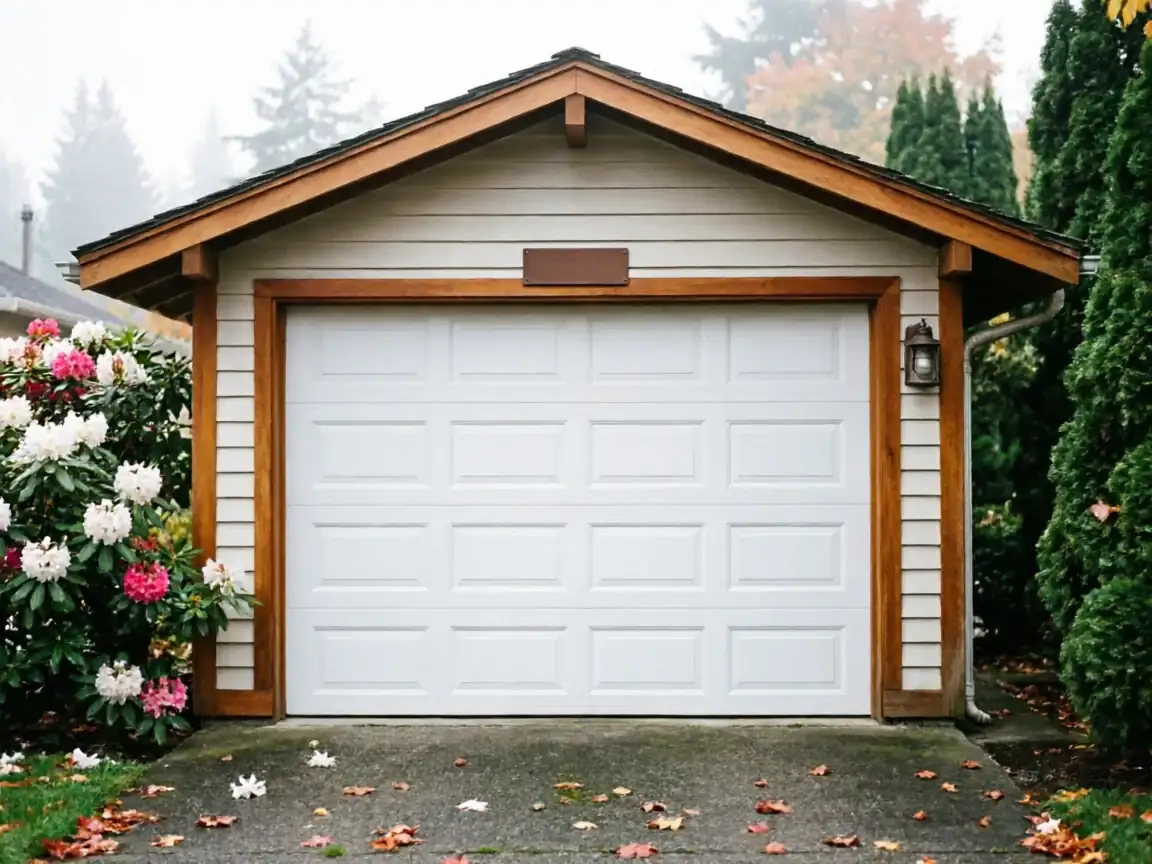
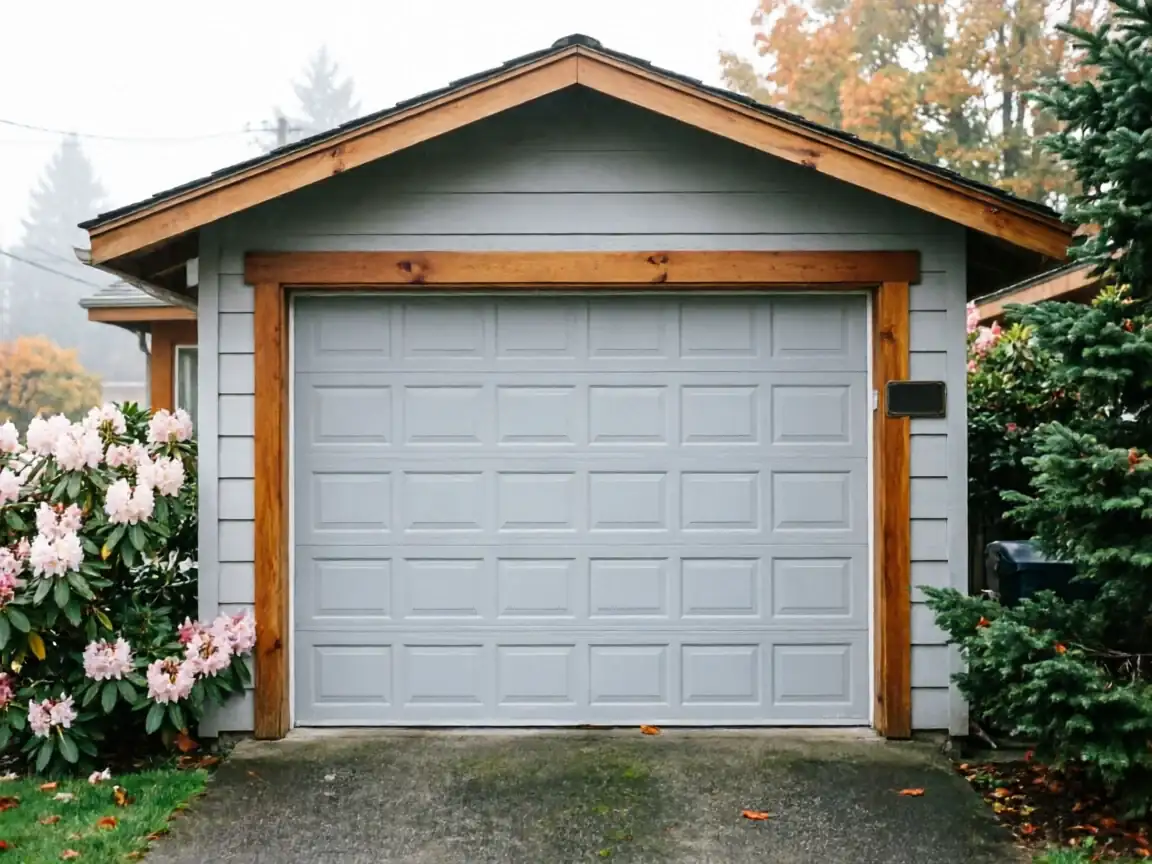
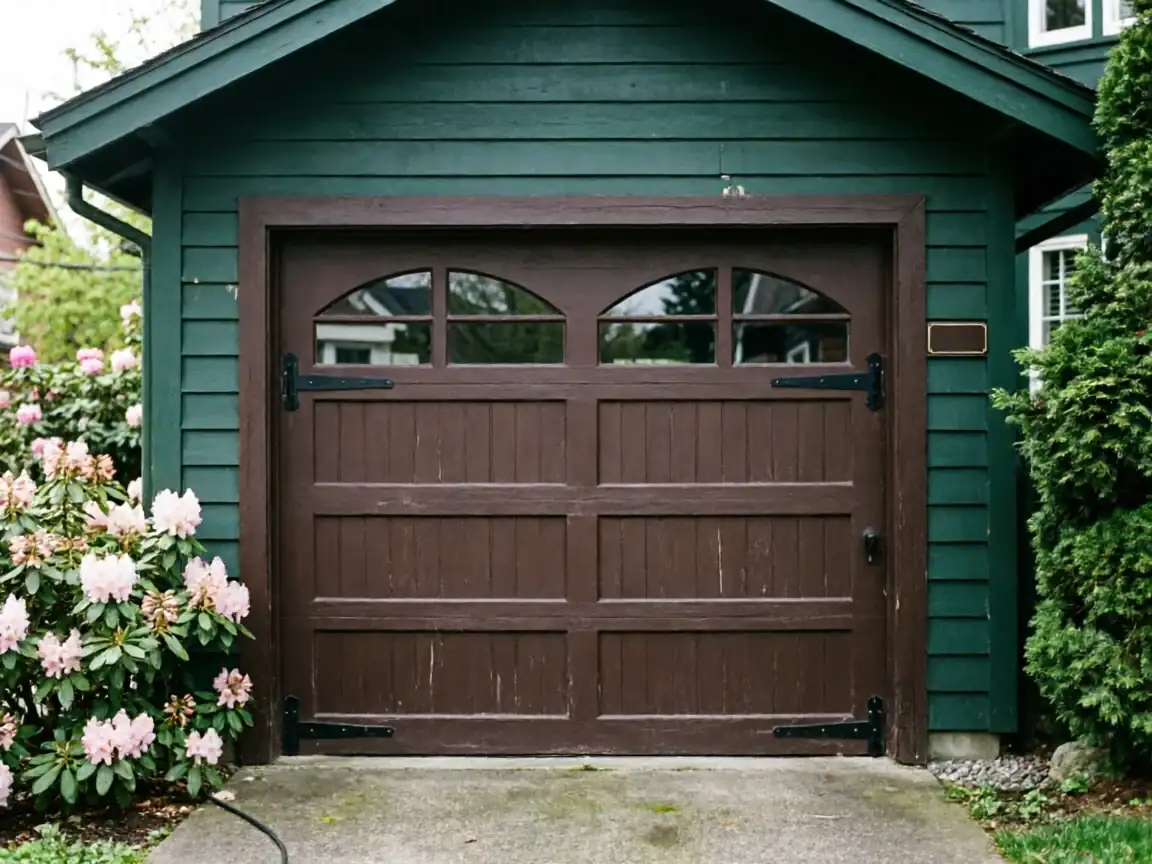
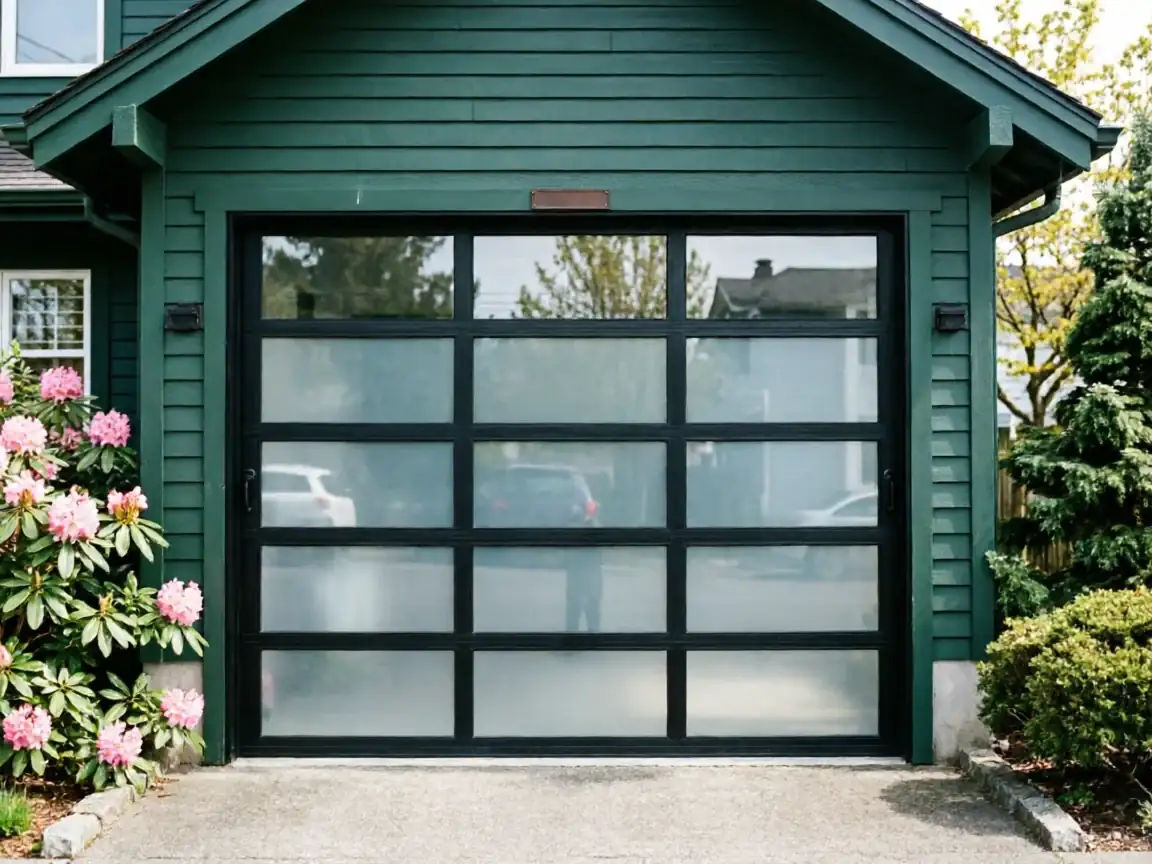
Felida's homes mostly date to the mid-1990s, so the hardware differs from older Vancouver stock. We drive the 8 miles out for spring, opener, and panel repair calls.
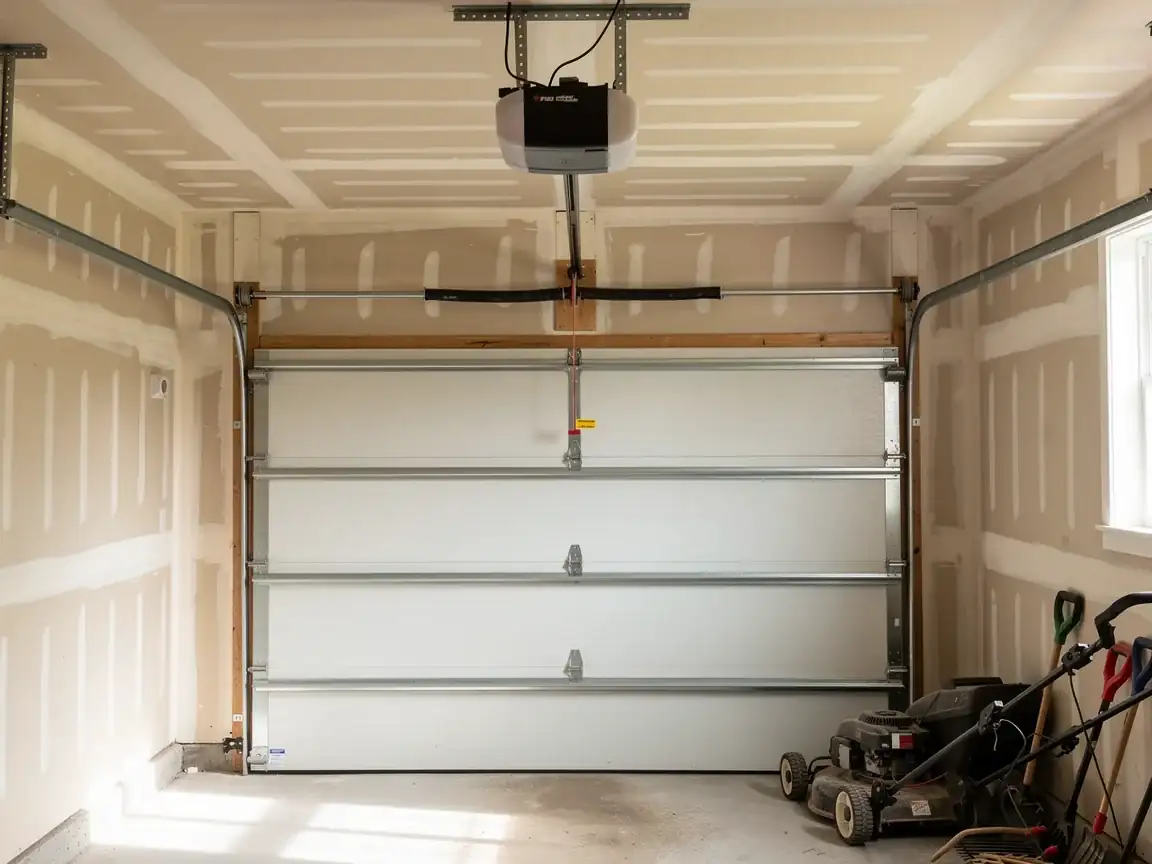
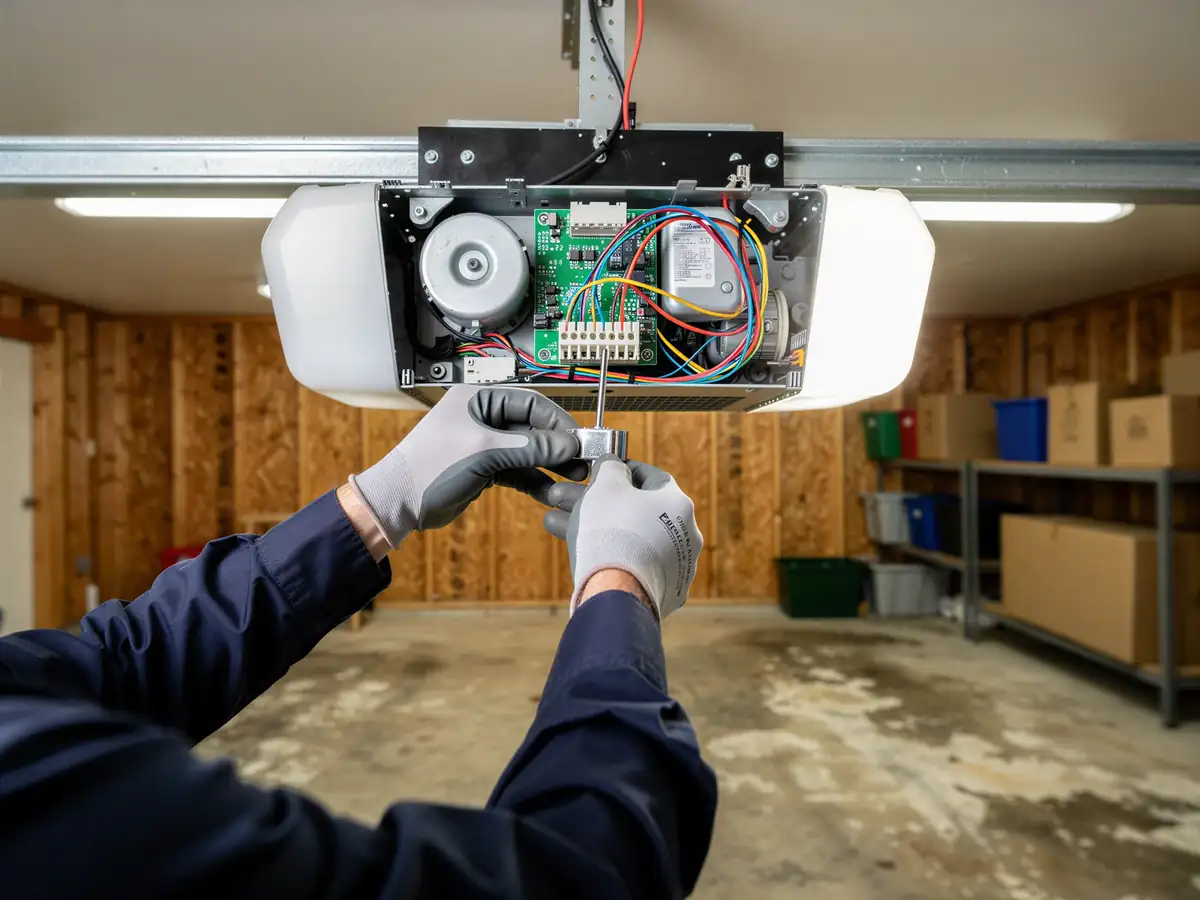
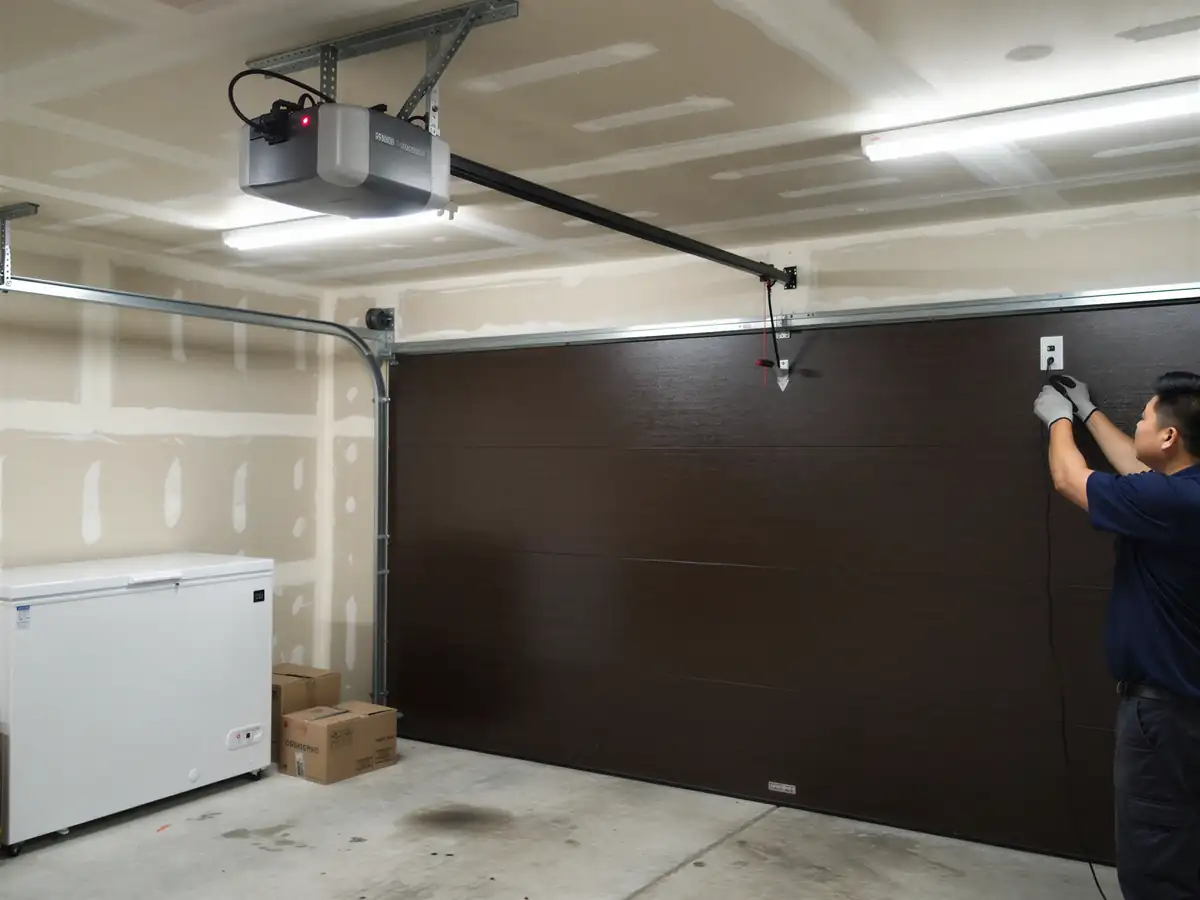
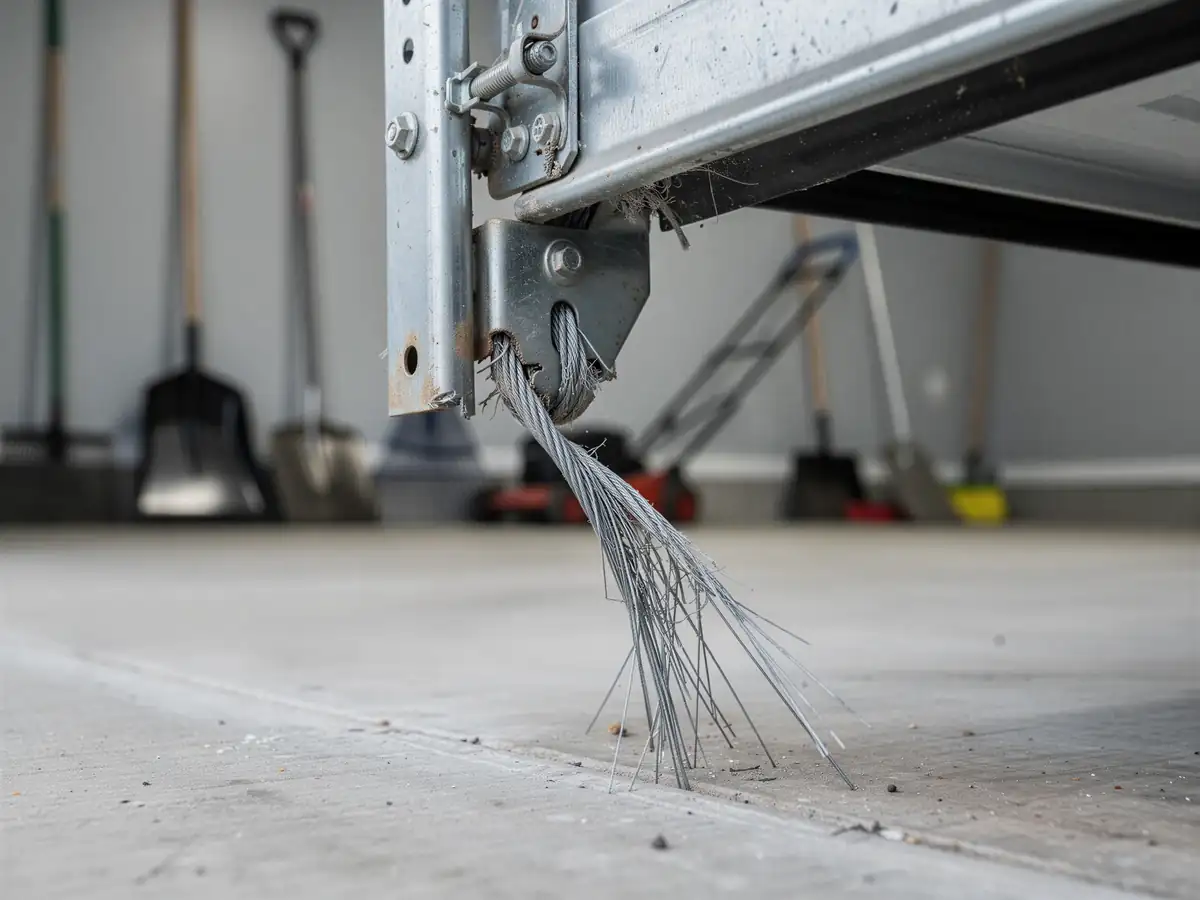
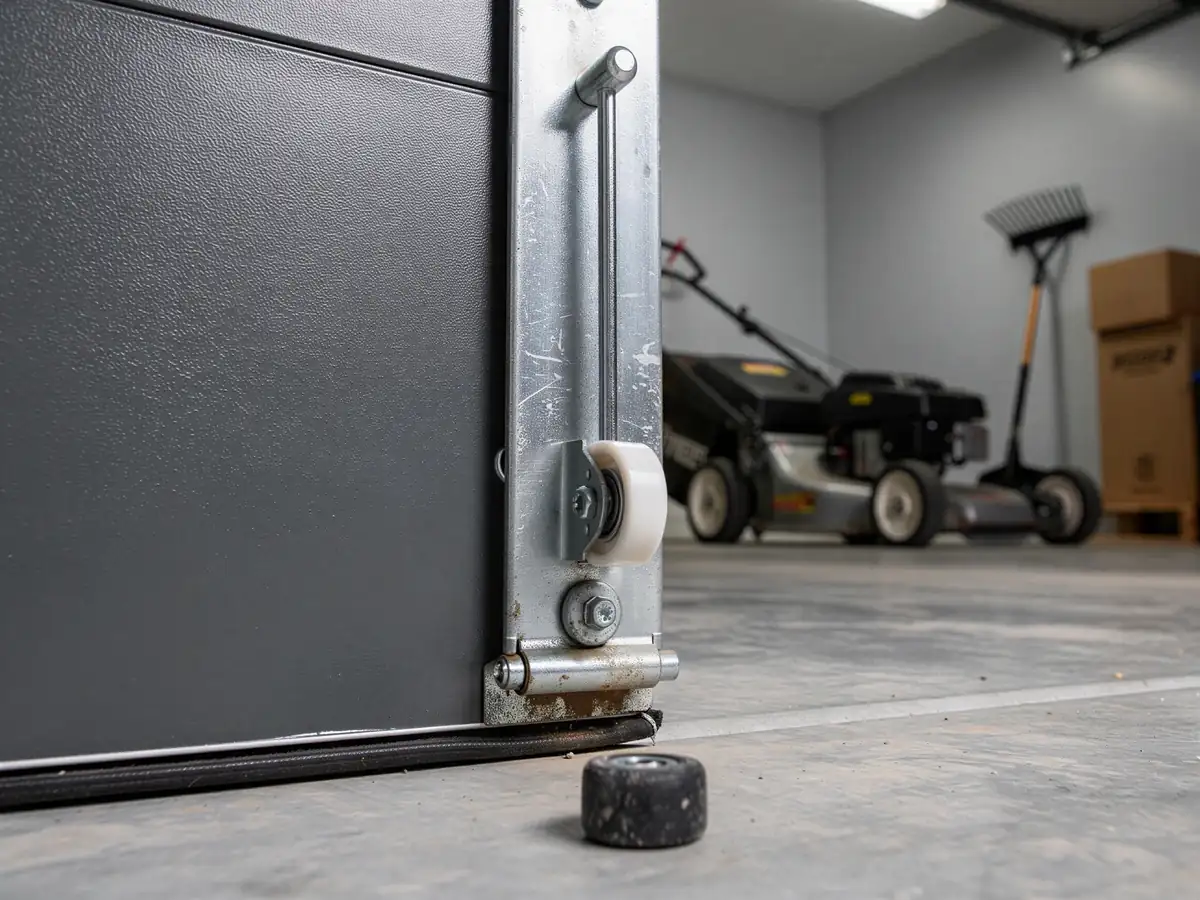
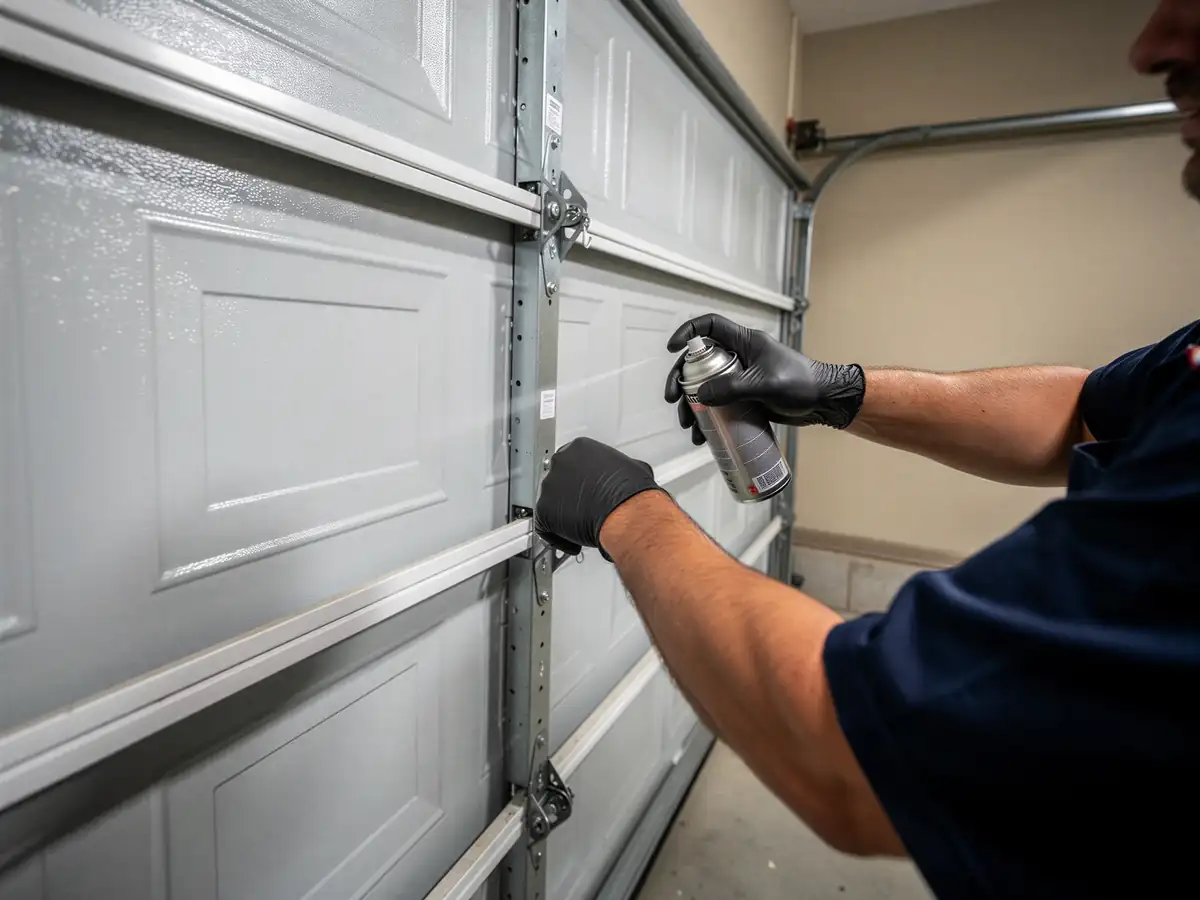
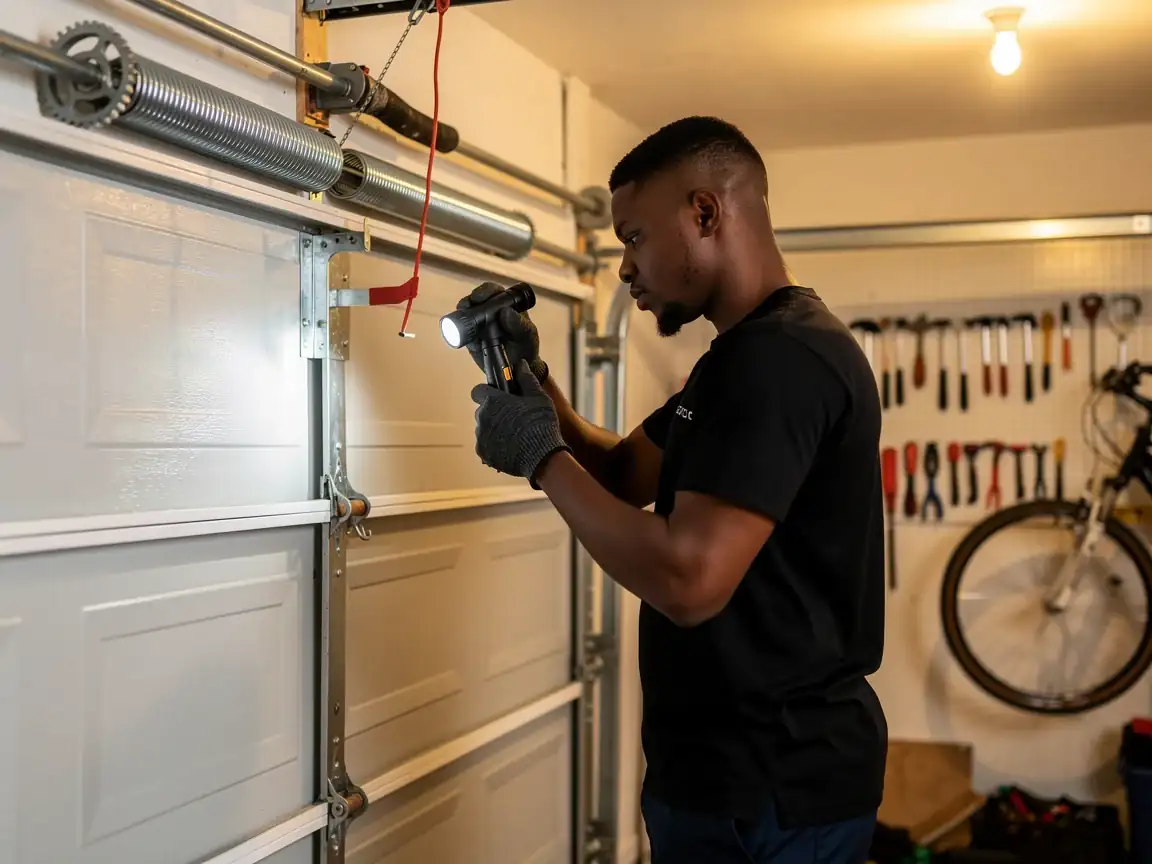
Felida's housing stock centers on 1996, which puts it later than a lot of what we see on calls closer into Vancouver. That matters for the door itself. Houses built in the mid-90s almost always came with steel sectional doors on torsion springs mounted on a center shaft above the opening, not the older side-mounted extension spring setups you still find in neighborhoods with 1960s and 70s stock. The openers from that build era are usually chain-drive units, often the first one the house ever had, now pushing past their expected service life. What fails in Felida tends to be predictable: the original torsion spring finally giving out after two to three decades of cycles, worn nylon rollers that were standard on mid-90s doors, or a drive gear stripped inside an aging chain-drive opener. We don't see as many of the odd, discontinued hardware patterns that show up on older Vancouver-area doors, because 1990s torsion systems are still a common enough standard that parts are easier to match. That's a small advantage for Felida homeowners when something does break.
Timing on This Area
We're based in Vancouver, and Felida runs about 8 miles out, so a call here isn't a same-block job, it's a drive. We don't promise a response window for the area, since that depends on where the truck already is that day, but we do route Felida calls on the same day we're working Vancouver's north side when we can. A dead spring on a double door is usually worth calling in right away since the door won't open safely on its own. A noisy roller or a chain that's started to slip can wait a day or two without turning into a bigger problem. Given the drive, if you've got a choice of when to schedule, grouping a non-urgent repair with anyone else nearby in Felida or neighboring Mount Vista and Salmon Creek helps us get to you sooner rather than slotting you in as a single stop.
What Was Built Here
Felida's median build year sits around 1996, a bit later than the roughly 3,995 households you'd find if you mapped the area's housing by decade. That's newer than much of the broader service area, where homes typically date from 1977 through 2011 with a median closer to 1994 and a concentration of 1980s and 90s construction. The practical effect is that Felida's doors and openers are, on average, a few years younger, but they're also hitting the age where springs rated for roughly 10,000 cycles start failing on original equipment that's never been replaced. Median household income in the area runs around $150,430, well above the roughly $117,550 median across the wider service area, which is part of why we see more owners here choosing to replace a tired door outright with a heavier insulated steel model rather than patch an old one. The climate here is mild with occasional freeze days, which isn't hard on hardware the way a harsh winter would be, but it does mean seals and lubrication still need occasional attention.
Where We Stop
We don't keep a depot or staging point in Felida. Every job here is a truck coming from Vancouver, so if you need a door that same hour on a holiday weekend, we may not be able to make that work. We also won't tell you to replace a door that just needs a spring, or talk you into a repair on a door that's cheaper to replace outright once an opener, springs, and rollers are all failing at once. If your door was installed well outside the 1996 window typical for this area, that's a sign it may already have been replaced once, and we'll look at what's actually on the track rather than assume anything based on the age of the house.
How it works
From “it’s stuck” to “it’s fixed”
01
Tell us what’s wrong
Describe the symptom - won’t open, loud bang, opener runs but the door won’t move.
02
On-site diagnosis
A technician tests the door under power and by hand and finds what actually failed.
03
Clear, up-front plan
You get the fix that’s needed and what drives the cost - before any work starts.
04
Repaired & tested
The repair is done, the door is set true and tested, and the work area left clean.
Not sure which repair your door needs in Vancouver, WA? Describe what it’s doing - every job starts with a diagnosis.
Straight answers about garage door repair in Vancouver. Still unsure? Ask us directly.
Why do Felida doors fail differently than ones closer to Vancouver?
Most Felida homes went up around 1996, later than a lot of the area's housing, which means torsion springs and chain-drive openers rather than the older side-mounted extension spring setups found on 1960s and 70s houses. The failures we see tend to be age-related wear on original 90s-era hardware rather than obsolete parts.
Do you have a shop in Felida?
No. We work out of Vancouver and drive the roughly 8 miles to Felida for calls. We don't keep a local depot here, so scheduling depends on what else is on the truck's route that day rather than a guaranteed response time.
Is it worth repairing a 1990s opener instead of replacing it?
Depends what's wrong. A stripped drive gear or a dead capacitor on a chain-drive unit from the 90s is often a fair repair. If the opener is failing alongside worn springs and rollers at the same time, replacing the whole setup usually costs less than fixing each piece separately.
Does the mild winter here affect garage doors much?
The area sees occasional freeze days but nothing severe, so it's not hard on torsion springs or tracks the way a harsher climate would be. The more common issue is seals drying out over the years and rollers needing lubrication, not cold-weather spring failure.