Why Your Garage Door's Age Matters More Than the Weather in Vancouver
Most Vancouver garages were built between 1977 and 2011, in a mild climate with occasional freezes. Here's what that means for your door, spring, and track.
Vancouver sits in a mild climate band with occasional freezes, not the deep freeze-thaw cycles of colder regions. But most of the garage doors in this area went up between 1977 and 2011, with the median around 1994, and a door in its second or third decade has worn-in grease, a spring that's lost some of its original tension, and weatherstripping that's probably cracked at least once. None of those things show up much in a mild October. They show up on the handful of nights each winter when the temperature actually drops - the rollers grind instead of roll, the spring binds instead of lifting evenly, and the opener strains against hardware that's stiffer than it was a few months earlier. It's not damage from one cold night. It's a door that was already close to the edge, meeting the one week a year when the weather stops being gentle. A door that's lubricated and balanced going into winter rides it out. One that hasn't been touched since the house was built usually doesn't.
The Situation
Across the service area - Minnehaha, Hazel Dell, Orchards, Five Corners, Barberton, and the other named areas out to Battle Ground and Amboy - the housing is remarkably consistent. Most of it was built in the 1980s and 90s, part of a longer build-out that ran from 1977 to 2011. That matters for garage doors because it means a huge share of the doors in this area are the same age as each other, installed with the same builder-grade hardware that was standard when the house went up, not a patchwork of different decades and different manufacturers. With 54,040 owner-occupied houses among 88,912 households in the service area, that's a lot of original torsion springs, original openers, and original panel sections still in place, quietly aging at roughly the same rate. At a median household income of $117,550, most owners here can choose between repair and replacement rather than being forced into whichever is cheapest - which matters, because on a door this old, repair isn't always the better value even when it's possible. Knowing the build era of your neighborhood tells you more about what's likely wrong with your door than knowing the brand does.
What to Check
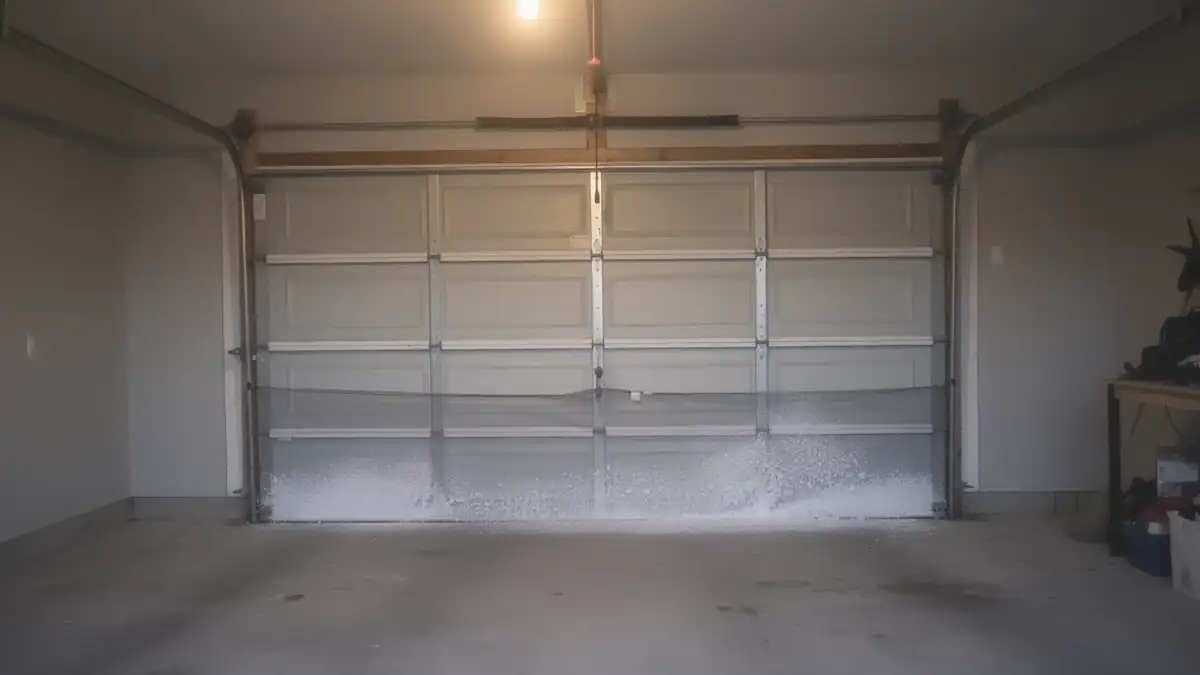
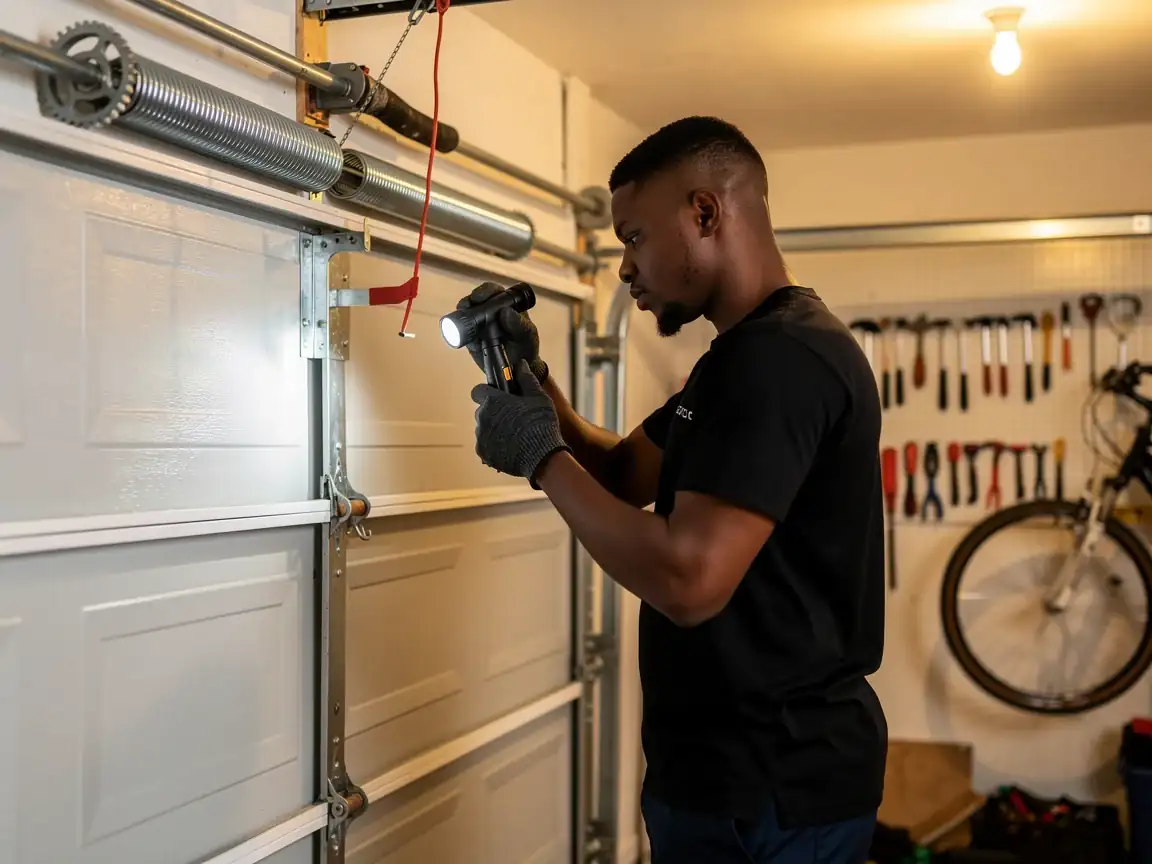
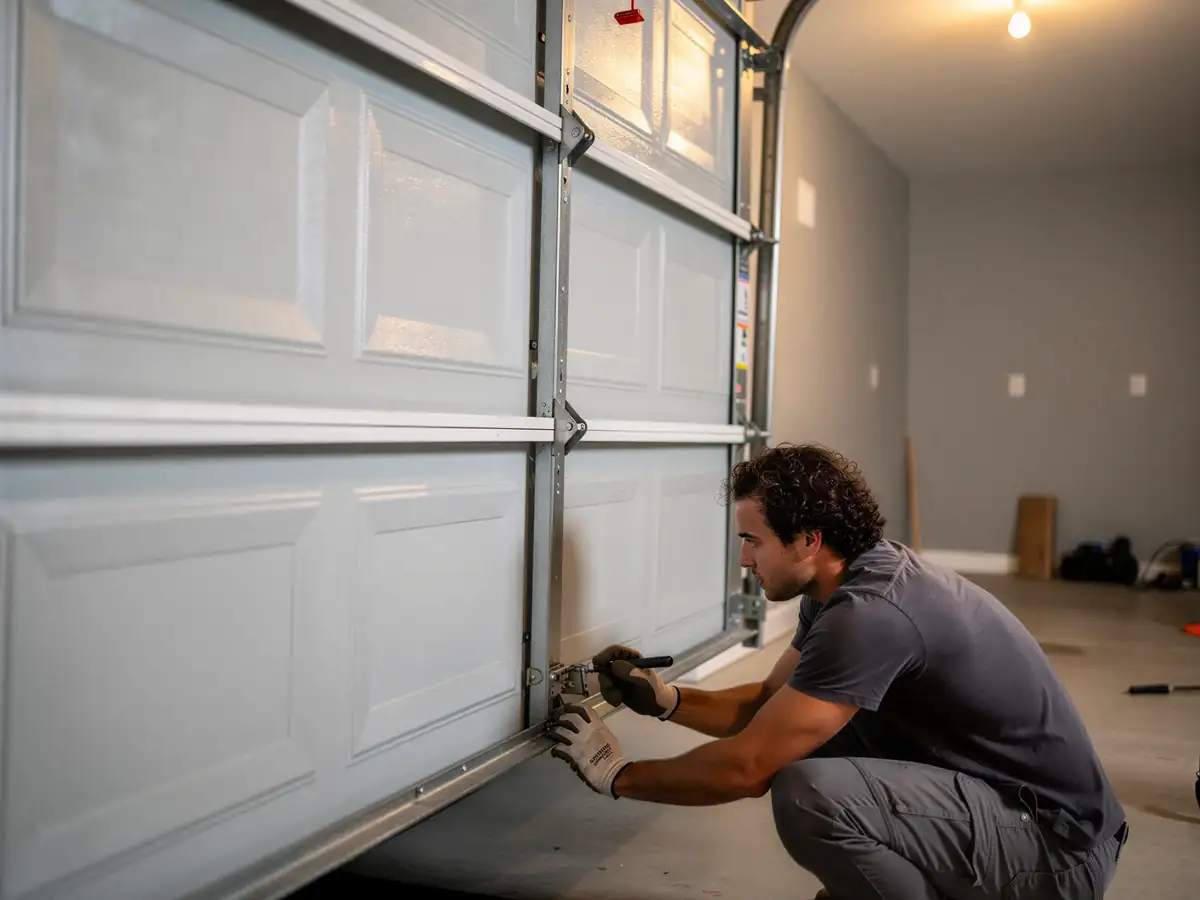
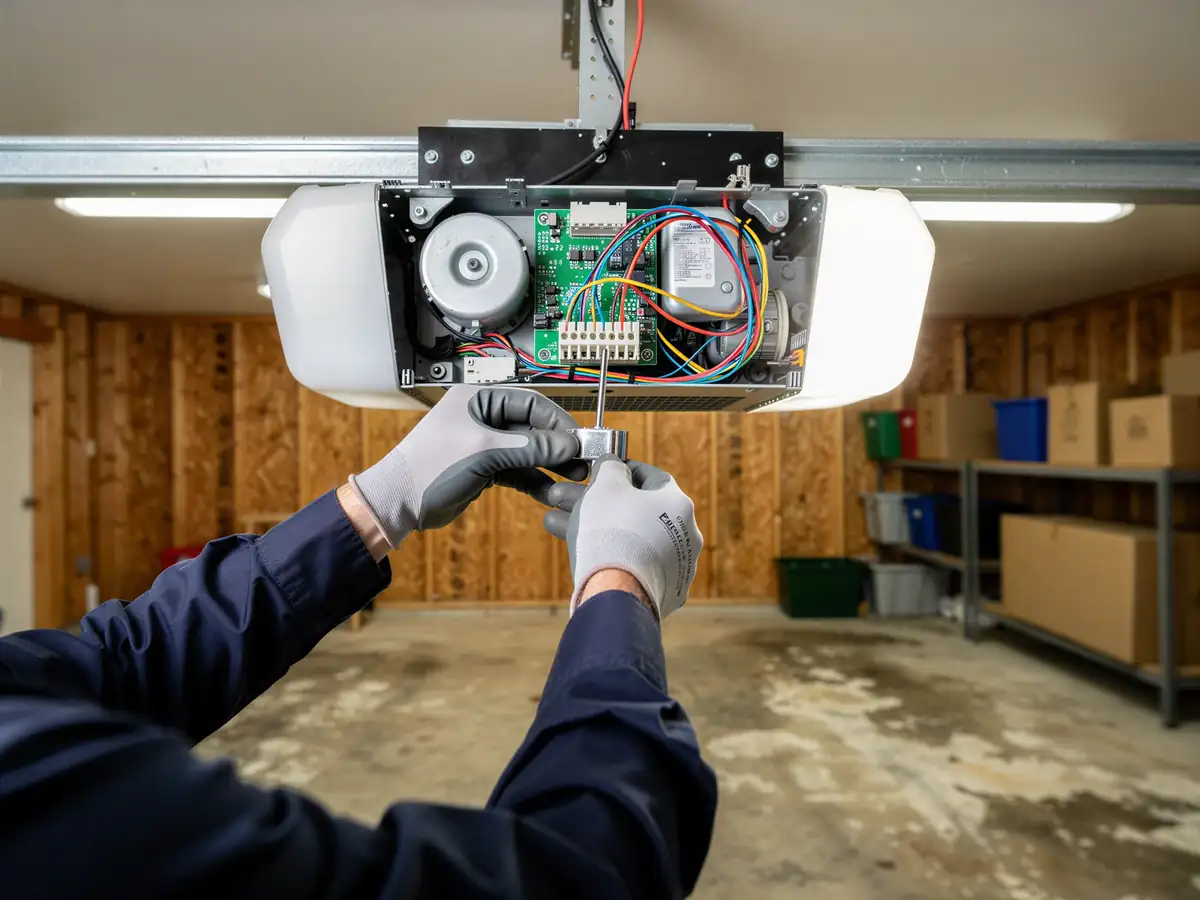
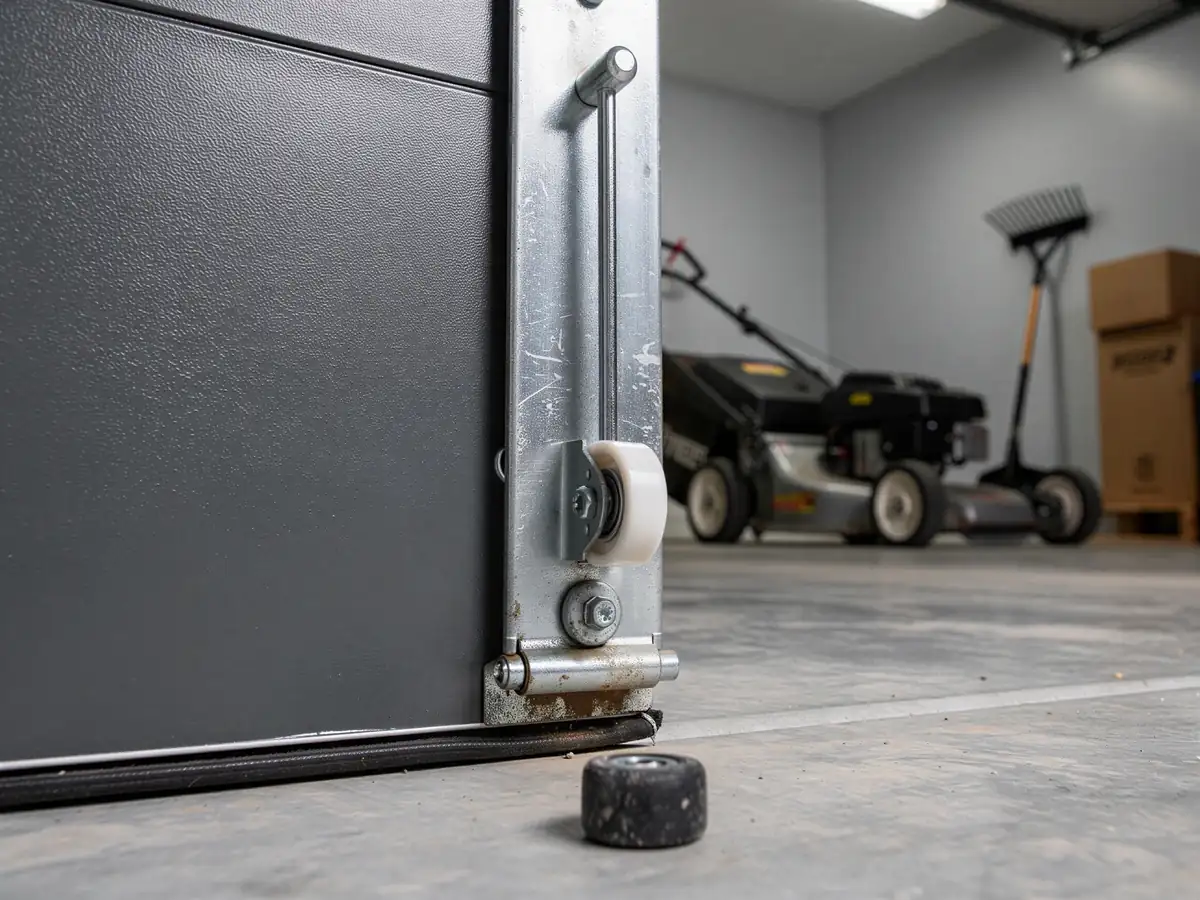
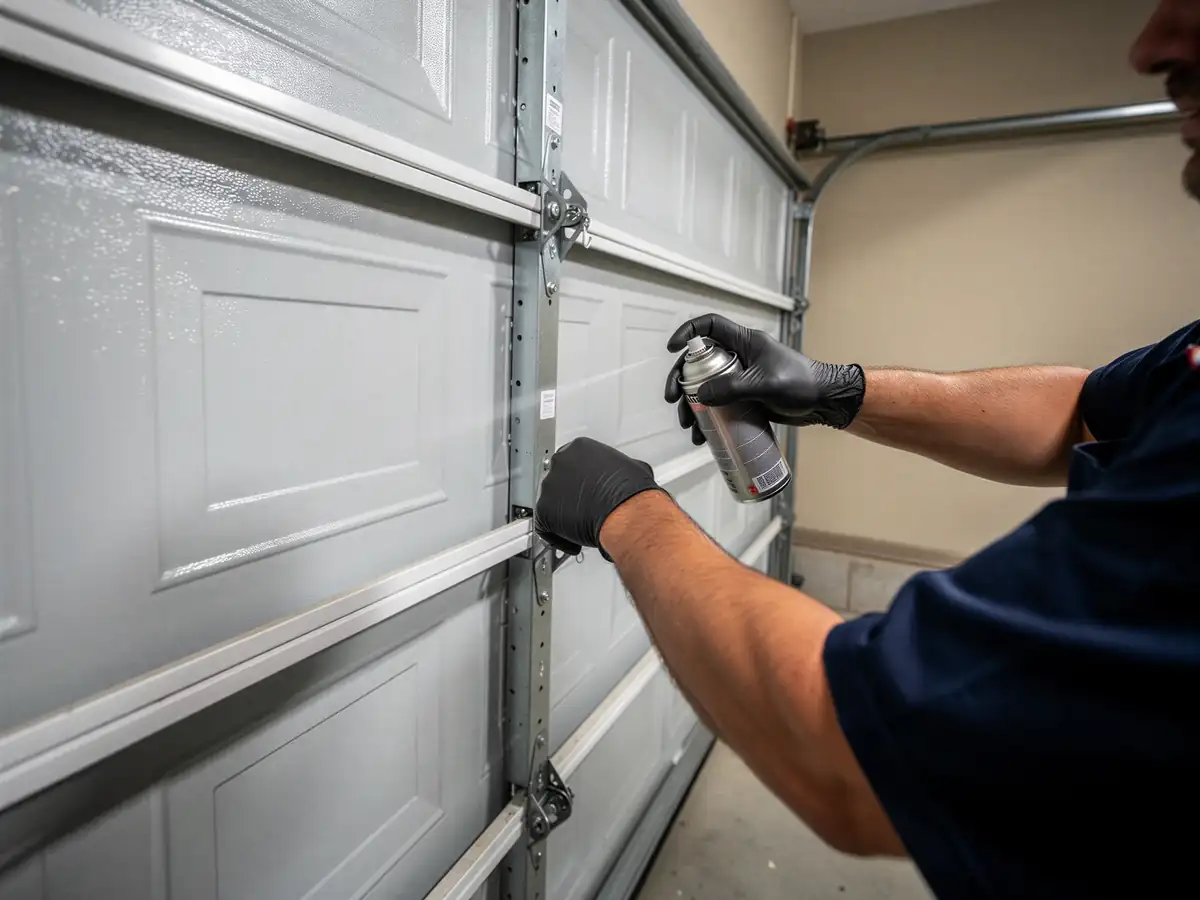
Start with the spring. On a door installed when these houses were built, a torsion spring is well into or past its expected cycle life, and a spring that's lost tension makes the opener do work it wasn't built for - that's often the first thing to fail, not the opener itself. Next, the weatherstripping along the bottom and up the sides: if it's cracked, flattened, or gapping, it's letting in both draft and the rare hard freeze this area gets. Check the rollers and hinges for grease that's gone stiff and dark rather than smooth - a yearly re-lube matters more here than most owners expect, precisely because the cold snaps are occasional rather than constant, so stiff hardware doesn't get worked loose the way it might somewhere colder. Look at the panels themselves. Many doors from this build era are single-layer steel without added insulation, which is standard for builder-grade doors of that generation, and a cracked or dented panel on one of these is often not worth patching. One limitation worth saying plainly: we don't always have replacement panels on hand for discontinued builder-grade doors from the 1980s and 90s, and sometimes the honest answer is a full door rather than a matched panel.
What Changes With the Season
Because this area sits in a mild band with only occasional freezes, the seasonal pattern isn't dramatic - it's a handful of specific moments. Late fall, as temperatures start dropping overnight, is when stiff grease and a slightly weak spring first show up as noise or a door that doesn't close all the way. Deep winter brings the actual freeze nights, usually just a few, and those are when a cracked weatherstrip actually matters, letting in cold air and moisture rather than just looking worn. Spring, with its moisture swings, is harder on wood trim and any rust that got started over winter than on the door hardware itself. None of this calls for a different maintenance routine than any door needs - lubrication, a tension check, weatherstrip inspection - but the timing matters. Doing that work in early fall, ahead of the first freeze, catches problems before the one stretch of weather each year that actually tests a thirty-year-old door.
How it works
From “it’s stuck” to “it’s fixed”
01
Tell us what’s wrong
Describe the symptom - won’t open, loud bang, opener runs but the door won’t move.
02
On-site diagnosis
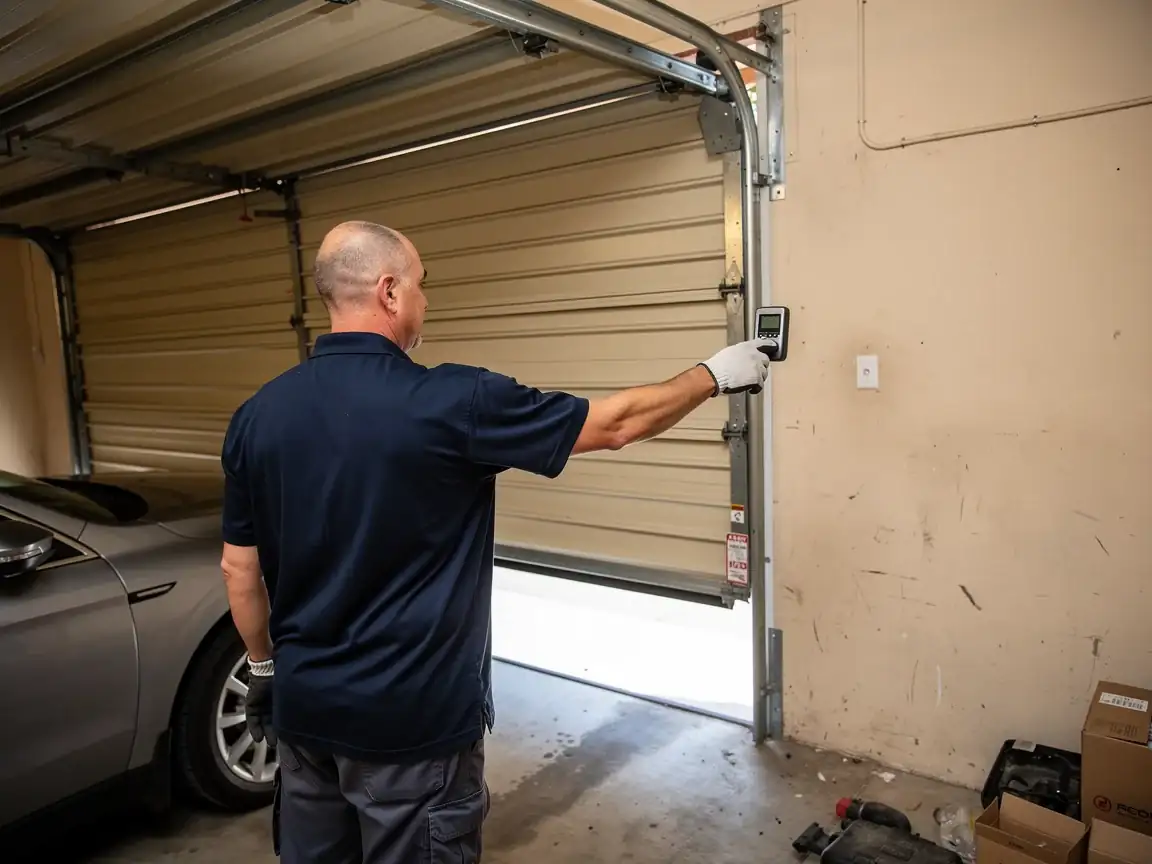
A technician tests the door under power and by hand and finds what actually failed.
03
Clear, up-front plan
You get the fix that’s needed and what drives the cost - before any work starts.
04
Repaired & tested
The repair is done, the door is set true and tested, and the work area left clean.
Not sure which repair your door needs in Vancouver, WA? Describe what it’s doing - every job starts with a diagnosis.
Straight answers about garage door repair in Vancouver. Still unsure? Ask us directly.
My house was built in the 1990s. Should I expect the original garage door to still be working?
A lot of them still open and close, but doors from that era are closing in on or past the expected life of their original torsion spring and weatherstripping. Still working isn't the same as working well - listen for grinding rollers or a door that labors to close, especially once nights start getting cold.
Does Vancouver get cold enough to actually hurt a garage door?
The area sits in a mild climate band with occasional freezes rather than sustained hard winters, so it's gentler on hardware than colder regions. But those occasional freeze nights still stiffen grease and crack already-worn weatherstripping, especially on doors from the 1977-2011 building wave that make up most of the local stock.
Is it worth repairing an original door from a 1980s or 90s house?
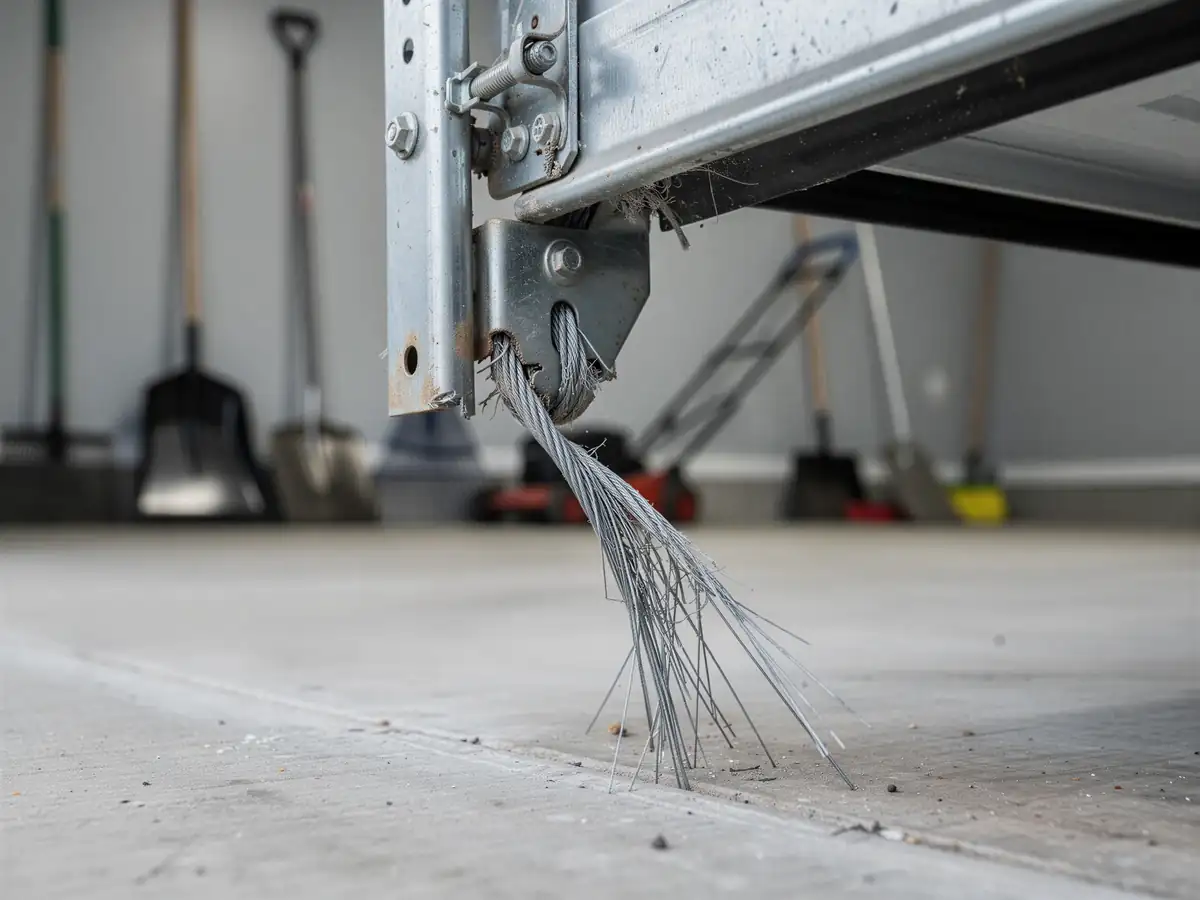
Sometimes. If it's a spring, cable, or roller problem, repair usually makes sense. If a panel is cracked or the door is single-layer steel without insulation, replacement is often the better value - we don't always have matched panels for discontinued builder-grade doors from that era.