Serving Vancouver, WA & nearby
(360) 244-7926
Vancouver, WA

When to Fix an Older Garage Door in Vancouver, WA

Vancouver homes built 1977-2011 carry doors and openers made for a mild, occasional-freeze climate. Here's what's worth fixing versus replacing.

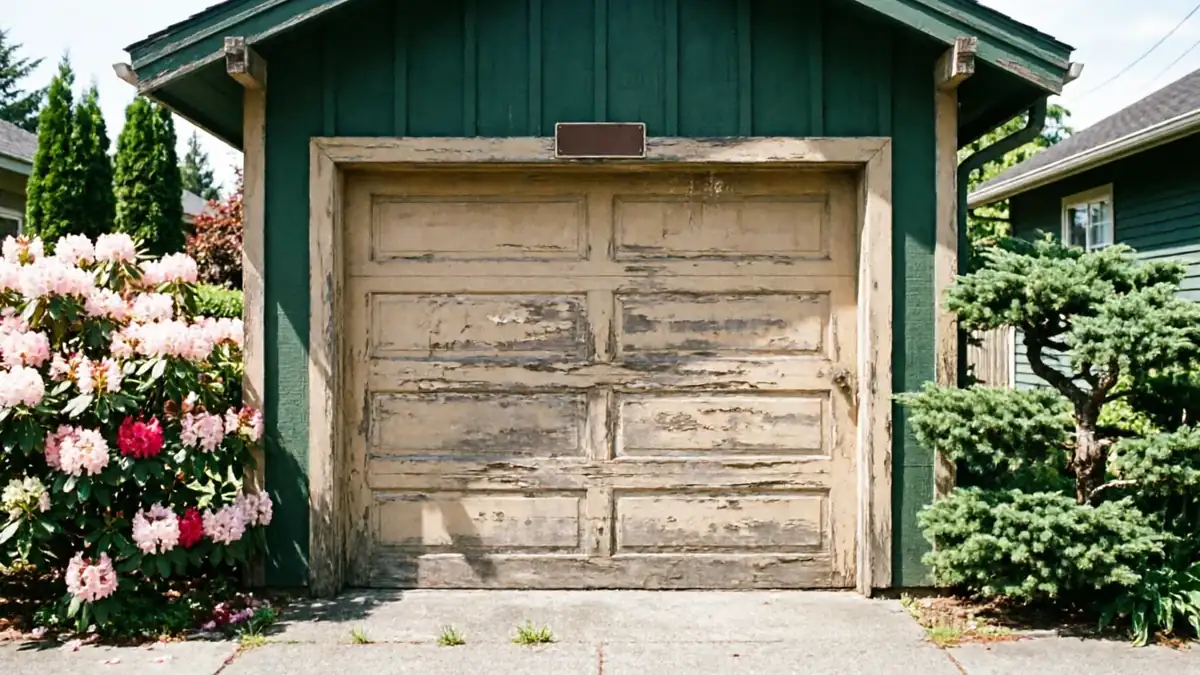
A peeling garage door is on a green garage with flowering bushes.

What the Weather Here Does to It

Vancouver sits in a climate band that's mild with only occasional freeze. That matters more than people think when you're deciding whether a door is worth saving. In places that swing hard below freezing for weeks, steel contracts, lubricant gums up, and torsion springs lose temper faster. Here, that cycle is gentler. A spring that's lasted twelve years in a Vancouver garage has had an easier run than the same spring in a harsher climate, which is part of why so many original torsion systems from the 1990s still work fine with nothing more than a re-lube and a cable check.

What the mild band doesn't spare you is condensation and the slow rust that comes with occasional freeze-thaw on bottom brackets and roller tracks. If your door sits low to a concrete slab, the bottom few inches of track and the roller pins nearest the floor are usually the first hardware to go, regardless of the spring's condition. That's a track and roller job, not a door replacement, and it's the single most common repair call tied to our weather rather than to age.

The Situation

Housing across this service area went up mostly between 1977 and 2011, with the median build year landing around 1994, and the bulk of it is 1980s-90s stock spread across more than twenty named areas - Minnehaha, Hazel Dell, Orchards, Five Corners, Salmon Creek, and the rest. That puts a huge number of garage doors at the same age bracket at the same time: not the original one-piece wood slab doors you'd find in a much older neighborhood, but steel sectional doors on extension or torsion spring setups, paired with chain or belt-drive openers from roughly that same build era.

With 54,040 owner-occupied homes out of 88,912 households in the area, most of these are owner-maintained rather than landlord-maintained, which tends to mean openers get replaced reactively, after they fail, rather than on a schedule. A door built in 1985 and an opener added in 1998 is a completely normal combination here, and it changes what 'worth fixing' means: the door panels often outlast two or three openers.

What to Check

  1. On a door from this era, start with the springs, not the opener

    A torsion spring on a double door built in the 1980s or 90s is a wear item with a predictable lifespan measured in cycles, and if it's original, it's likely near the end regardless of how the door looks. Check for a visible gap in the coils or a door that feels noticeably heavier on one side when you lift it manually.

  2. Next, look at the track alignment and the bottom brackets, especially on doors close to grade

    These take the brunt of the mild-climate moisture cycle described above. Rollers that are chipped, nylon rollers that have gone oval, or a track with a kink near the floor are all cheap fixes that get skipped until they cause a bigger failure.

  3. Finally, check the opener's drive gear if it's belt or chain driven and original to a 1990s install

    A stripped gear is a common failure point at this age and it's a part worth replacing rather than the whole unit, as long as the rail and motor housing are sound. We don't carry every obsolete opener part - some older chain-drive models from this era use gears that are special order, and that lead time is worth knowing before you commit to a repair over a swap.

What Changes With the Season

Because the climate band here is mild with only occasional freeze, the seasonal shift on an older door is less dramatic than in colder regions, but it's not nothing. Cold mornings a few times a winter are usually when a weak spring finally lets go, because the steel is marginally less forgiving when it's cold and the door gets lifted hard and fast on a rushed morning.

In the wetter months, it's the bottom seal and the bracket rust mentioned earlier that act up first - a door that drags or won't seal flush at the bottom is often just a swollen or torn weatherstrip, not a structural problem. Replacing that seal is one of the cheapest things you can do on an older door and it's the first thing to check before assuming a track or panel issue.

Summer brings the opposite complaint: openers that worked fine all year start chattering or running rough as grease inside older gear-drive units thins out in the heat. On a door this age, that's a sign to service the opener now rather than wait for it to fail on a 100-degree afternoon.

How it works

From “it’s stuck” to “it’s fixed”

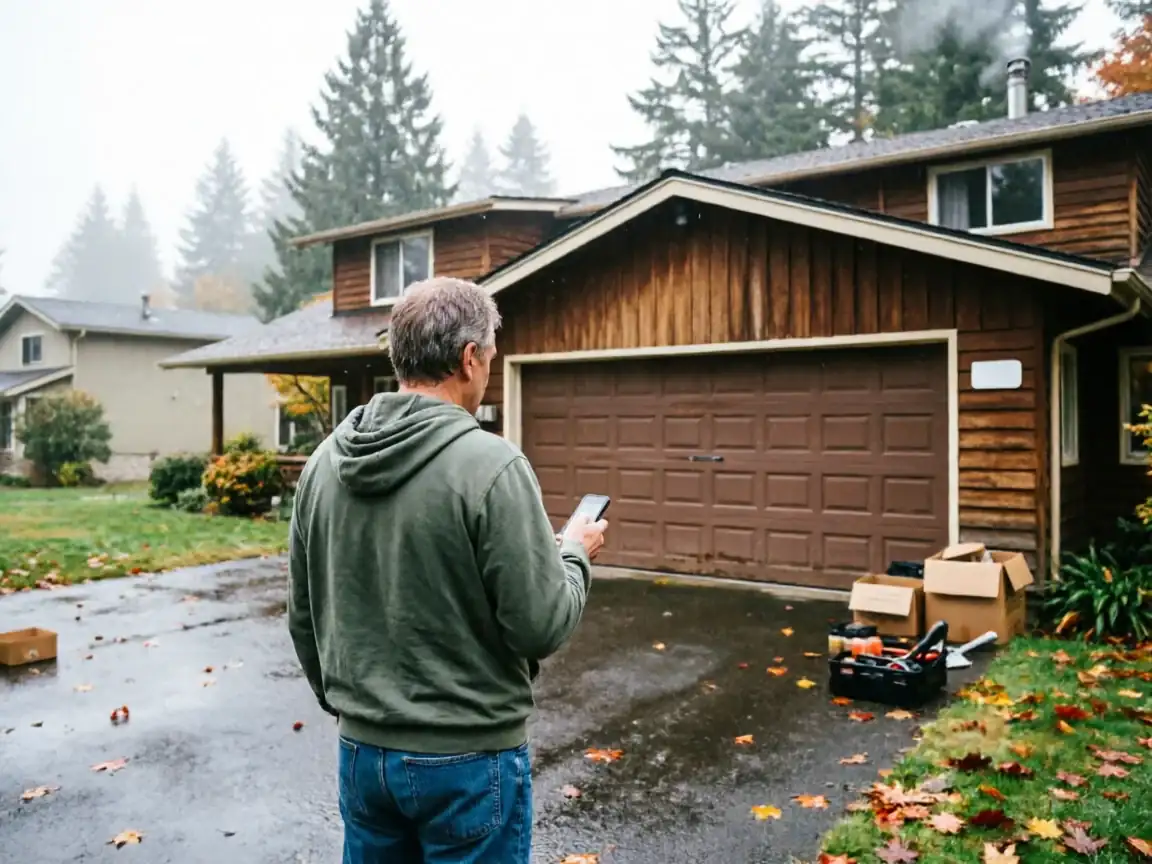
A man stands in a driveway looking at his phone in front of a house.

Tell us what’s wrong

Describe the symptom - won’t open, loud bang, opener runs but the door won’t move.

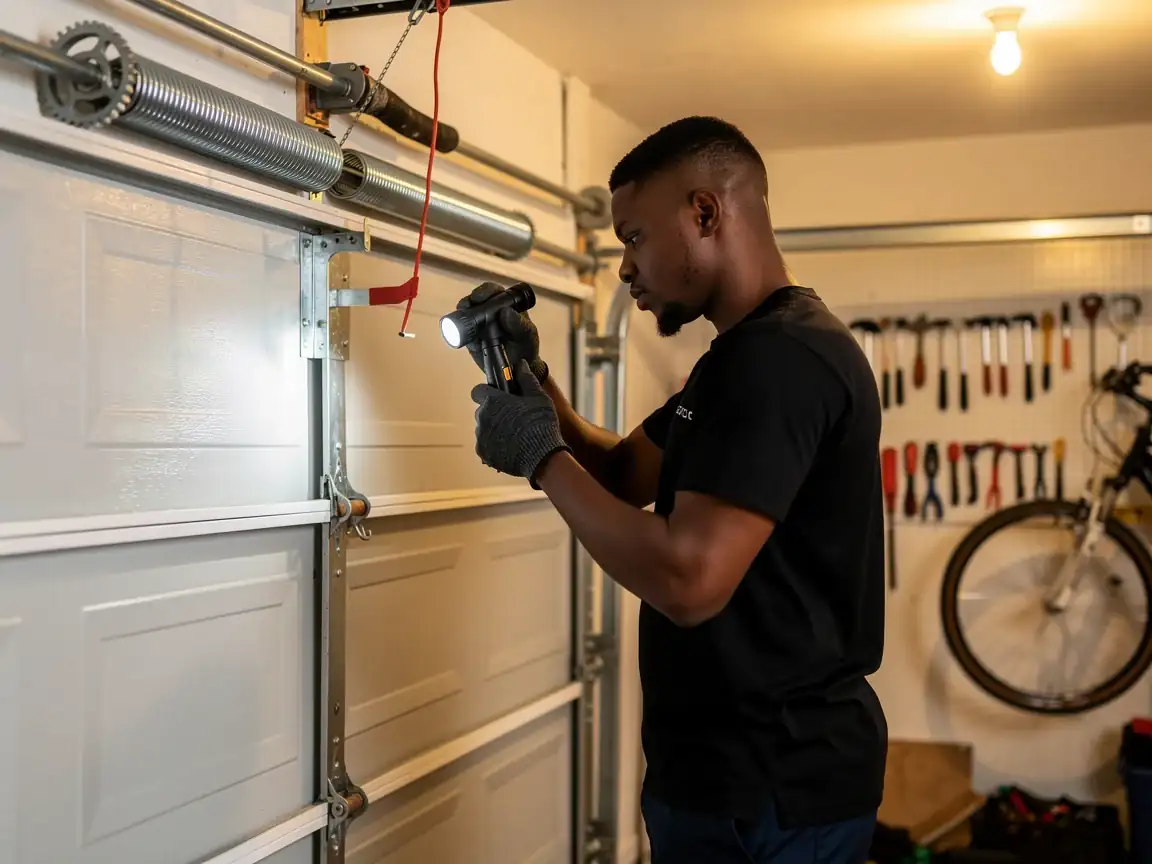
A technician shines a flashlight on the garage door's top panel and roller.

On-site diagnosis

A technician tests the door under power and by hand and finds what actually failed.

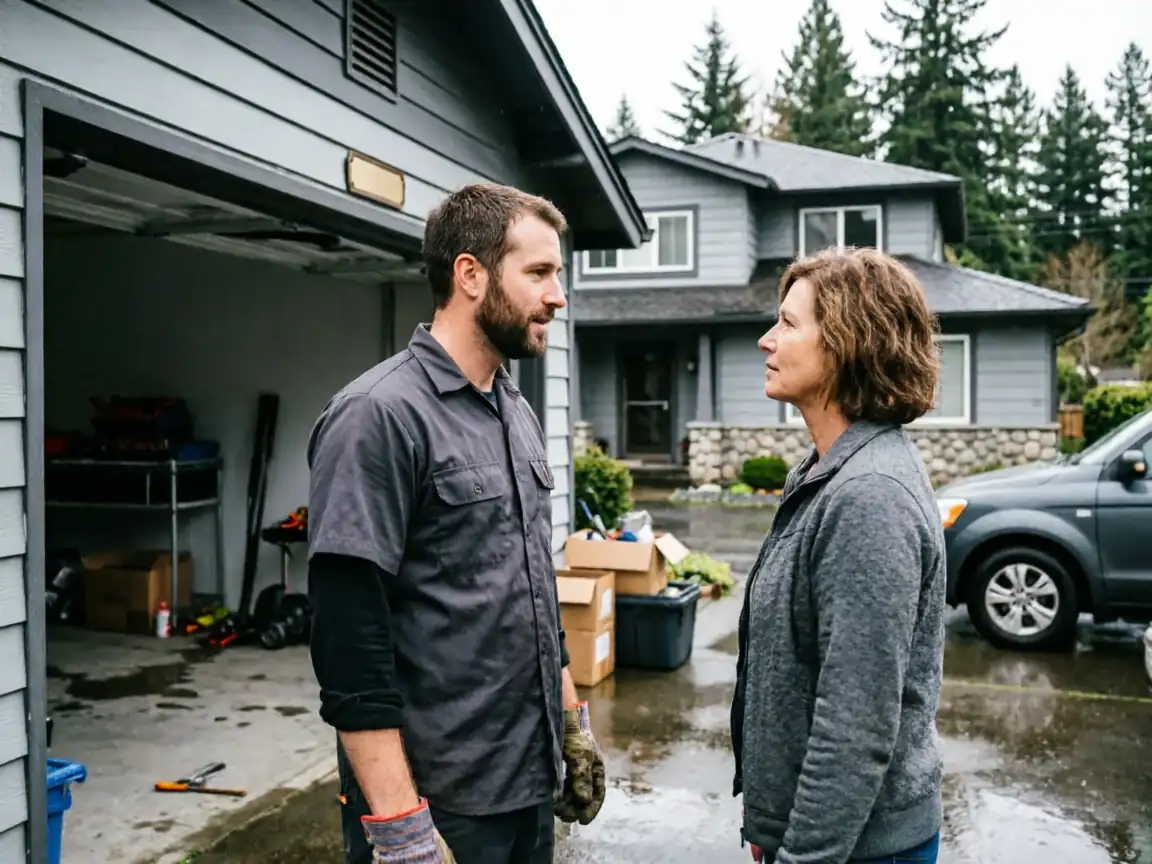
A technician and a woman stand talking in front of a garage and house.

Clear, up-front plan

You get the fix that’s needed and what drives the cost - before any work starts.

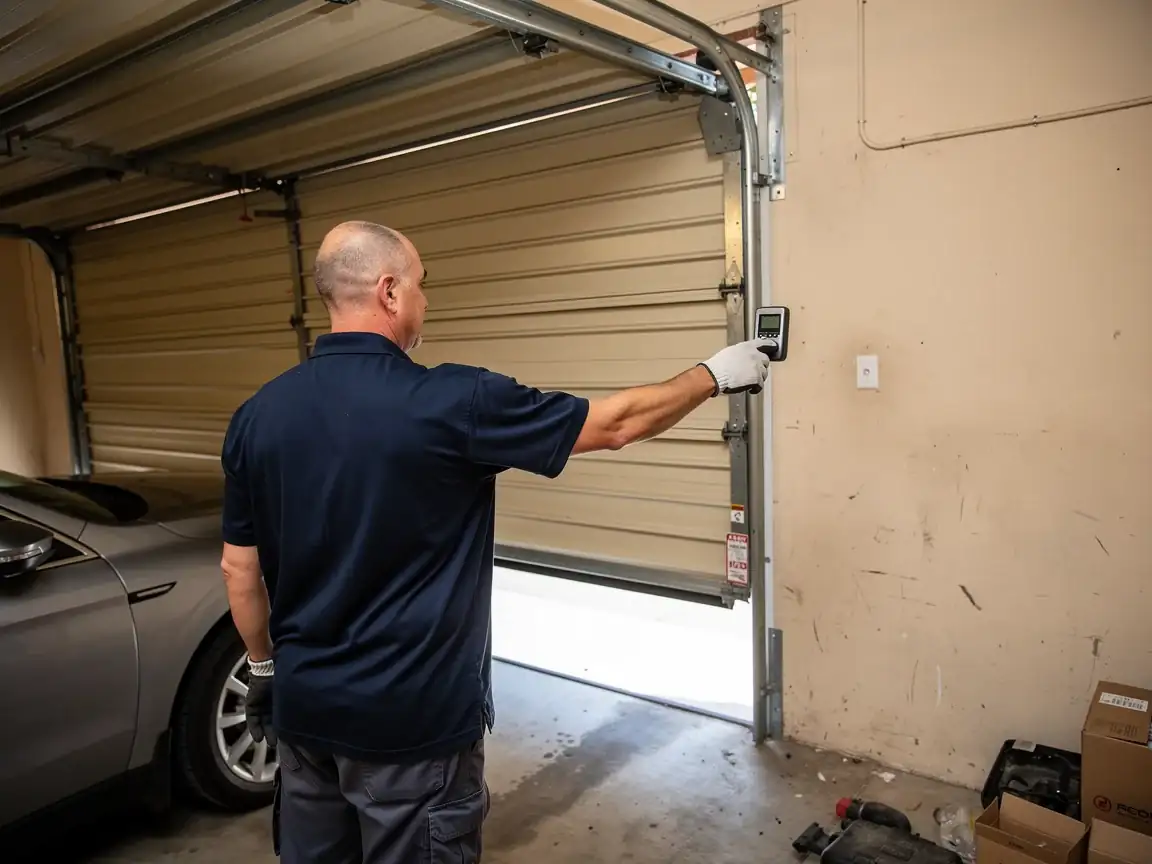
A technician holds a remote control while standing next to an open garage door.

Repaired & tested

The repair is done, the door is set true and tested, and the work area left clean.

Not sure which repair your door needs in Vancouver, WA? Describe what it’s doing - every job starts with a diagnosis.

How we work

What to expect

  • Diagnosis firstEvery visit starts by finding what actually failed - not a pre-written parts list.
  • The right part for the doorSprings and openers matched to the door’s weight and age, so the fix holds up.
  • Straight answersWhen a repair makes more sense than a replacement - or the reverse - you hear it plainly.
  • Clean, careful workTension released safely, hardware set true, the door tested under power before we leave.
What we do

Garage Door Services

Repair and installation work for Vancouver homes and businesses.

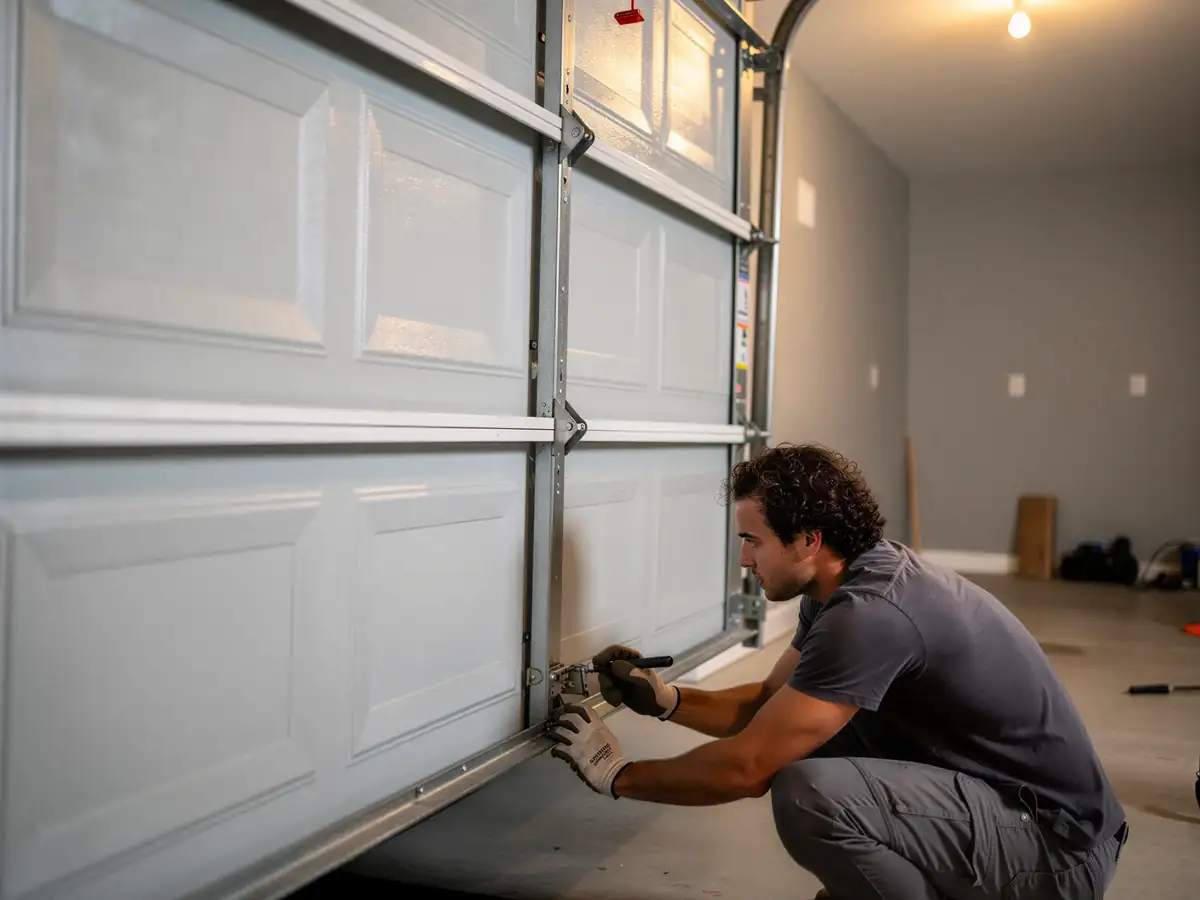
A technician in gloves crouches, working on the bottom panel of a white garage door.

Garage Door Repair

Garage door repair for Vancouver WA homes built from the late 70s through the 2000s. We know why springs and openers from that era fail and what it takes to fix them.

Learn more
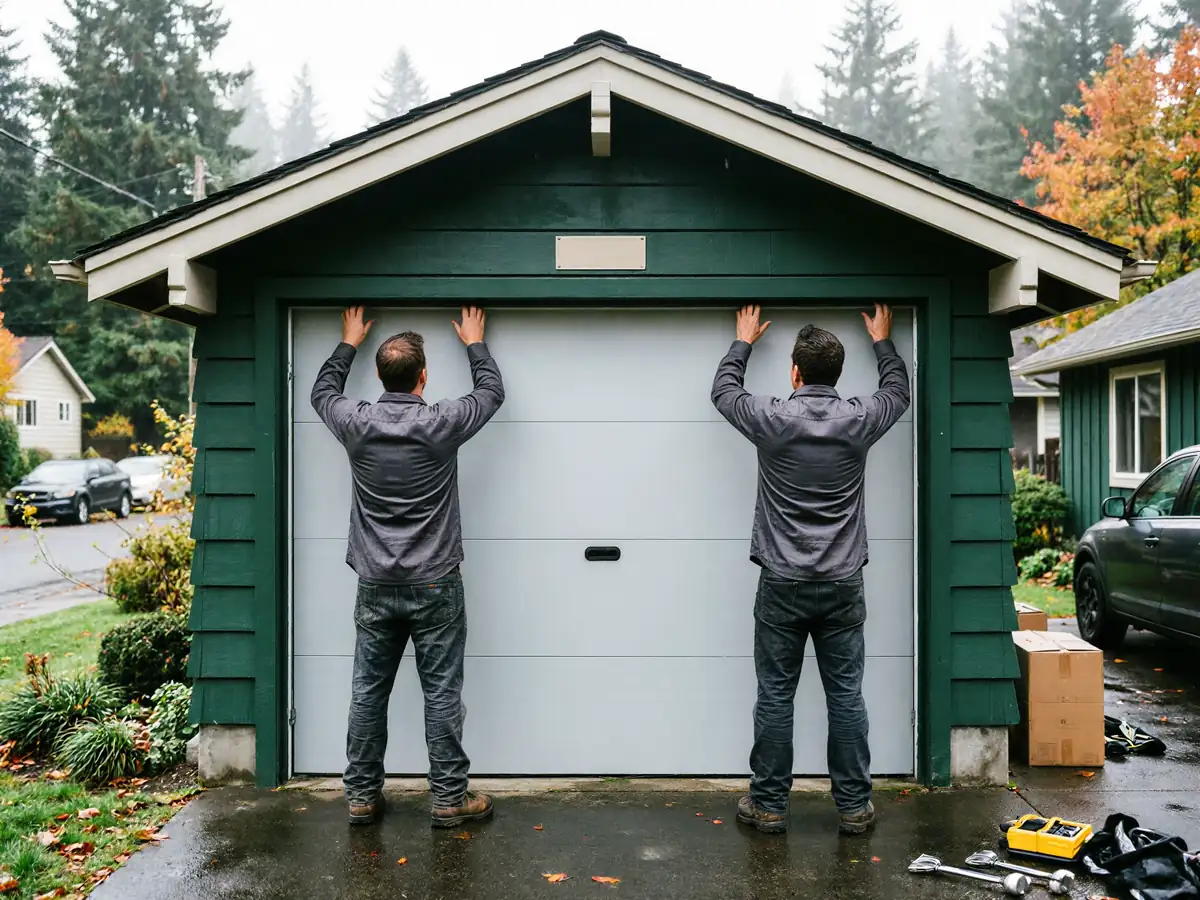
Two technicians install a new white garage door on a green garage.

Garage Door Installation

Most Vancouver homes went up between 1977 and 2011, so a lot of original garage doors are now past their service life. Here's what installation involves and costs here.

Learn more
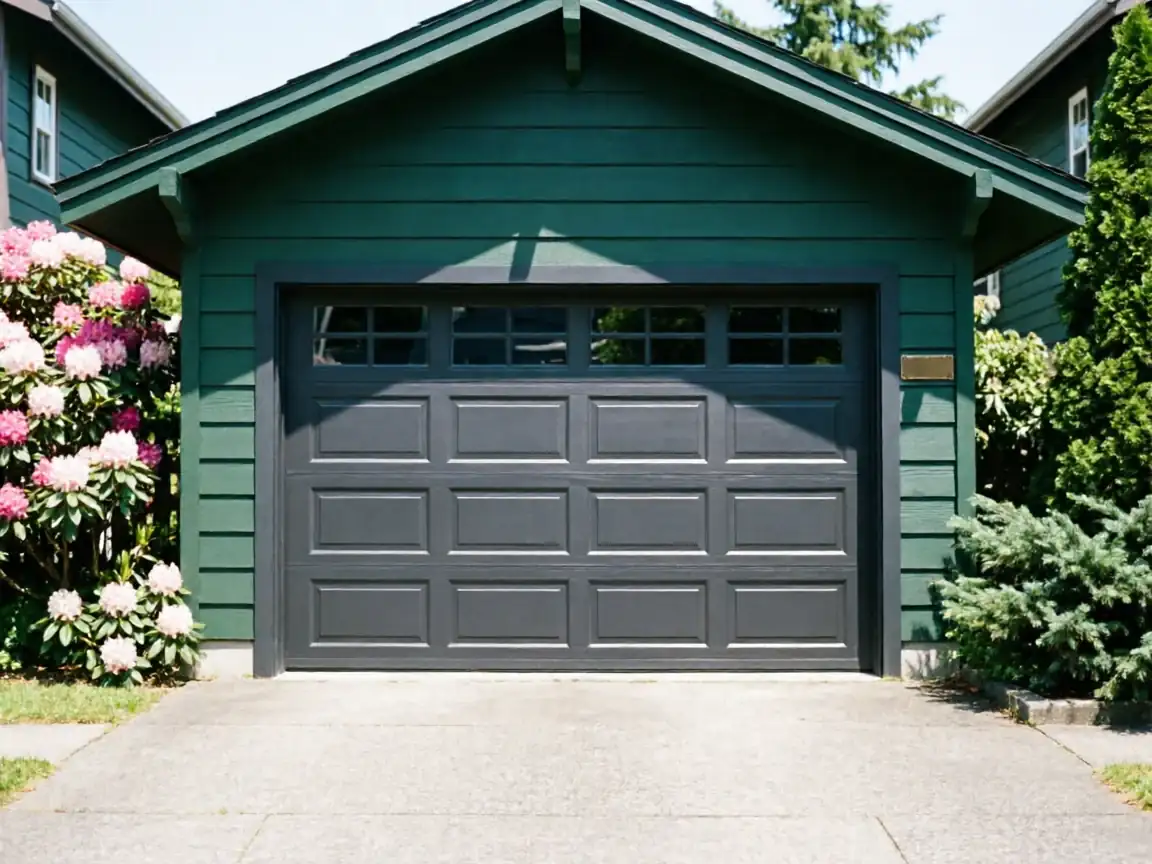
A dark gray garage door with windows on a green garage.

Garage Door Service

Garage door repair and tune-up service for Vancouver, WA homes built mostly in the 1980s and 90s, from Hazel Dell to Felida. Same housing-era problems, handled right.

Learn more
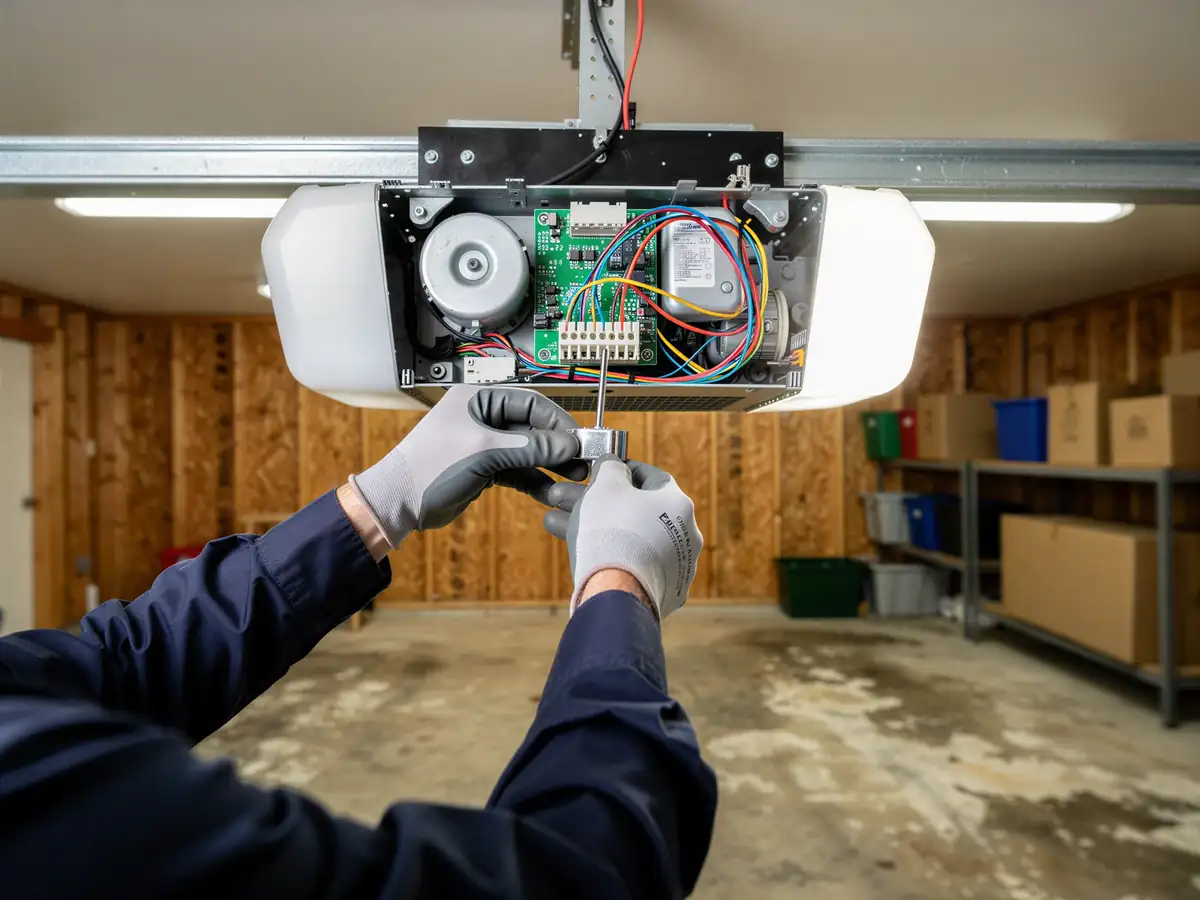
A technician in gloves works on the exposed circuit board of a garage door opener.

Opener Repair

Opener repair for Vancouver, WA area homes built 1977-2011. Mild winters and aging drive gears cause strips, dead sensors, and silent openers that quit.

Learn more
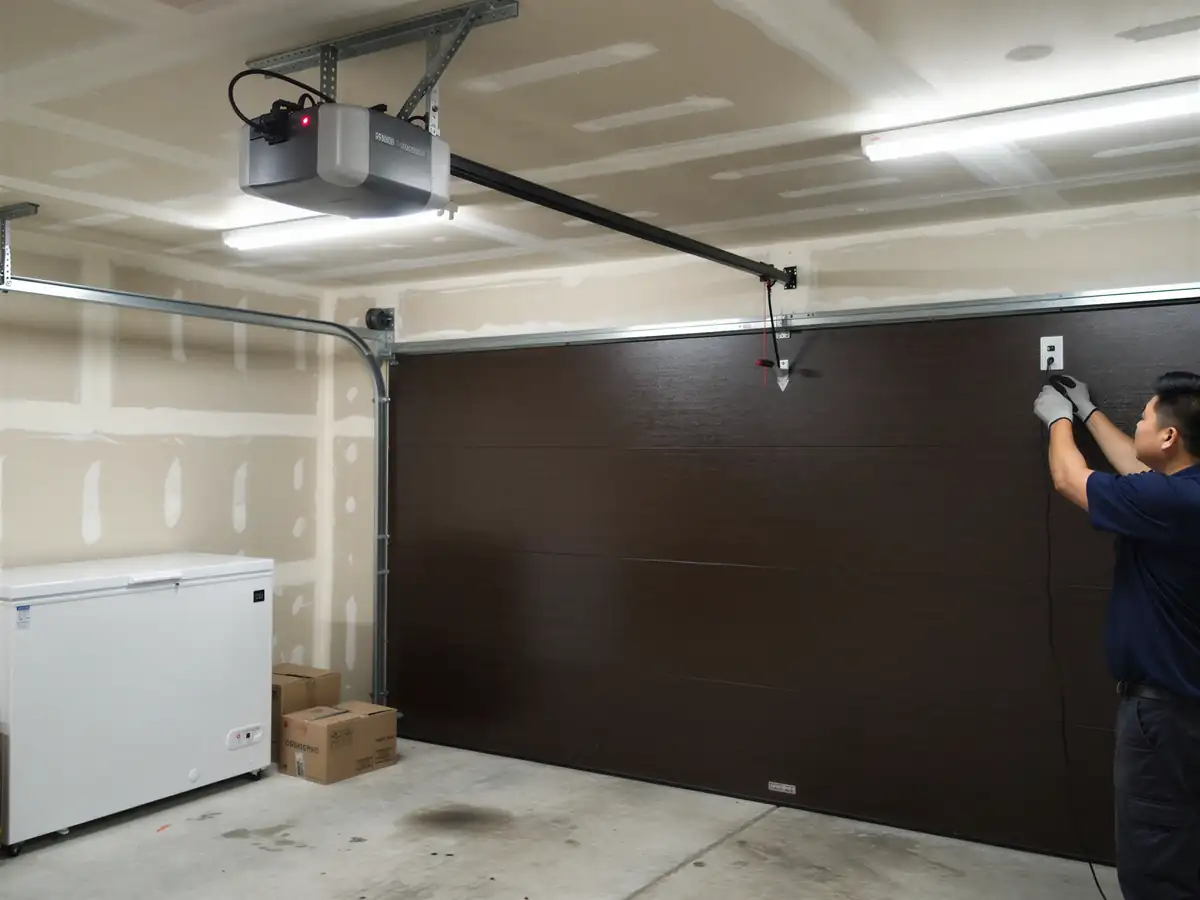
A technician installs a garage door opener control panel on a brown garage door.

Opener Installation

Opener installation for Vancouver, WA houses built 1977-2011 - matching lift type to door weight and mild-freeze climate, with straight talk on what drives the cost.

Learn more
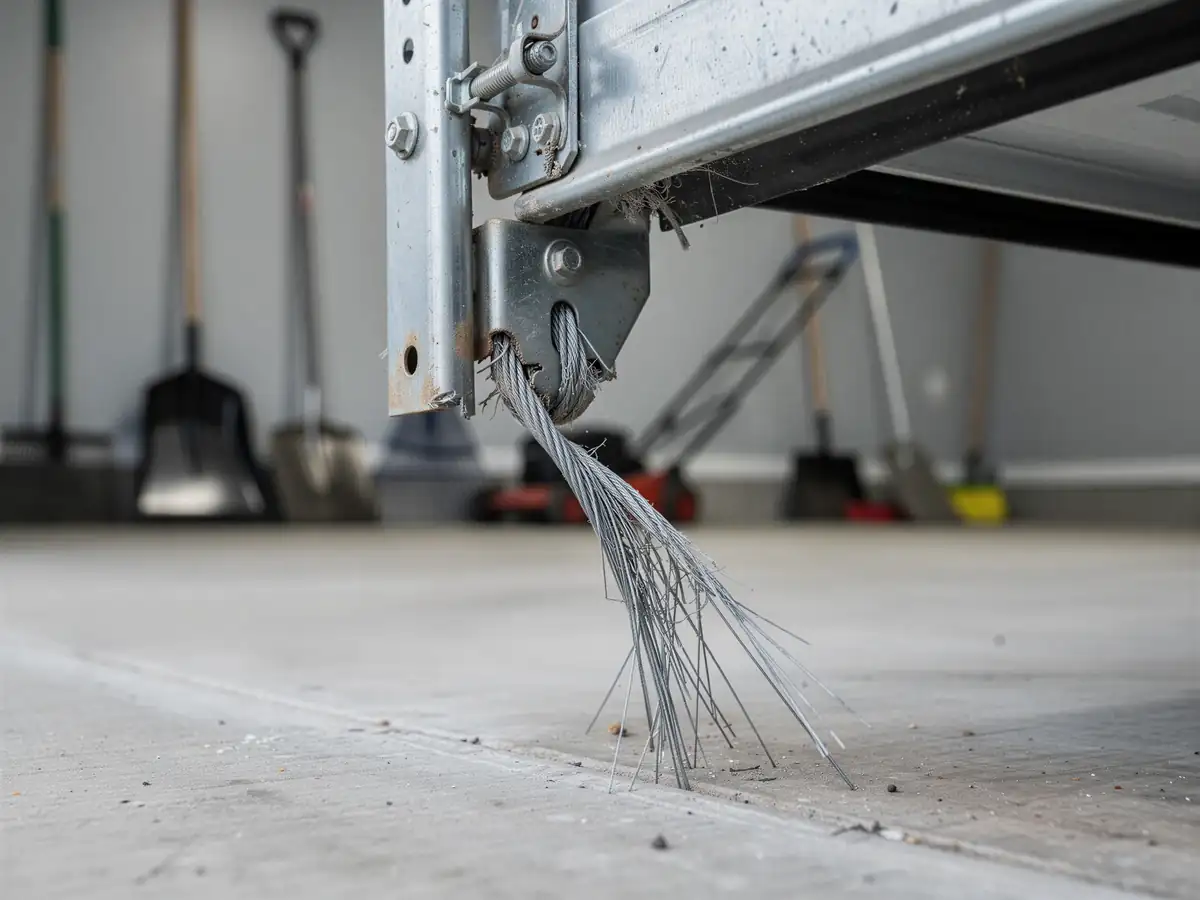
The frayed garage door cable hangs from the bottom of the garage door.

Cable Repair

Broken or frayed garage door cables are common in Vancouver's 1977-2011 housing stock. Same-area service for cable repair and replacement, with an honest look at what drives the job.

Learn more
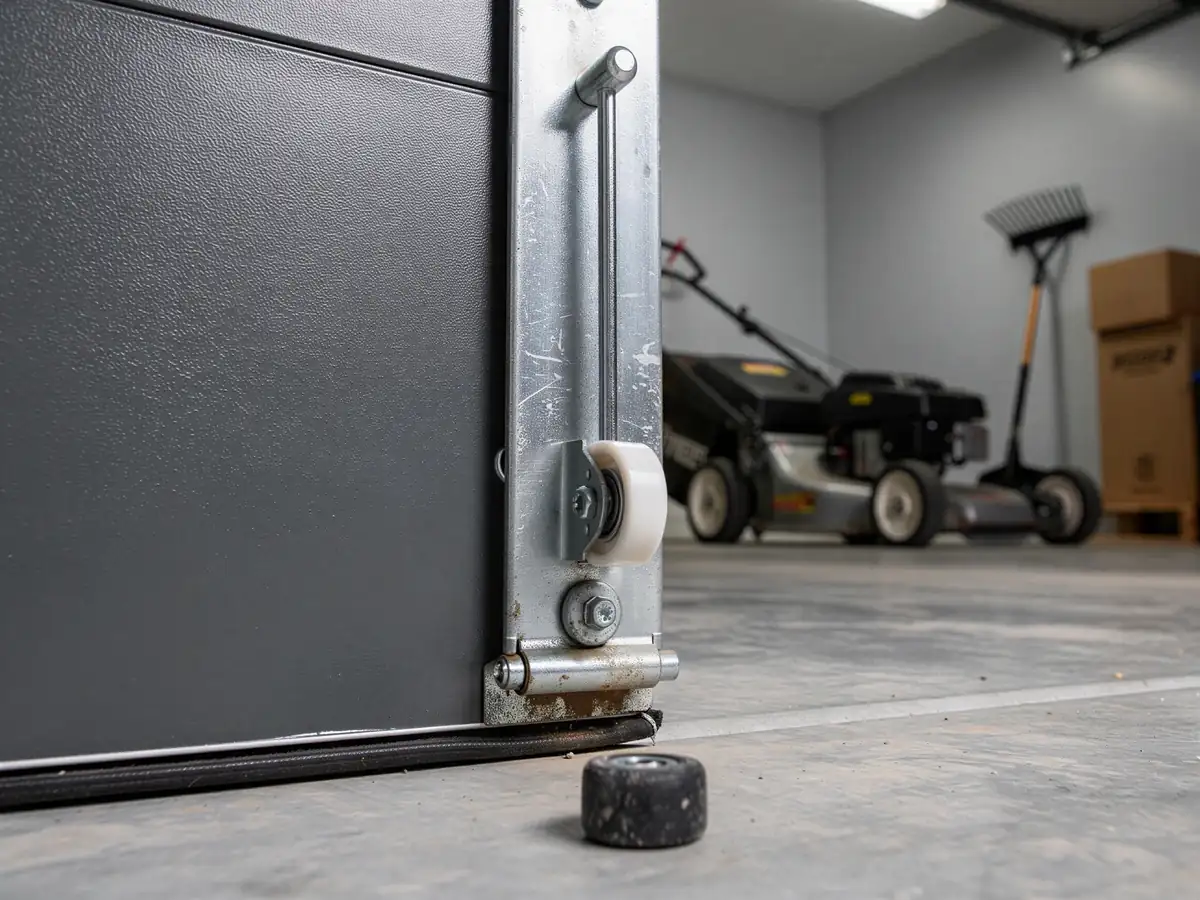
A garage door roller is detached from the track, with a broken wheel on the floor.

Roller Replacement

Worn or cracked rollers on Vancouver, WA homes built 1977-2011 cause grinding and binding. We replace them with steel or nylon rollers sized to your track.

Learn more
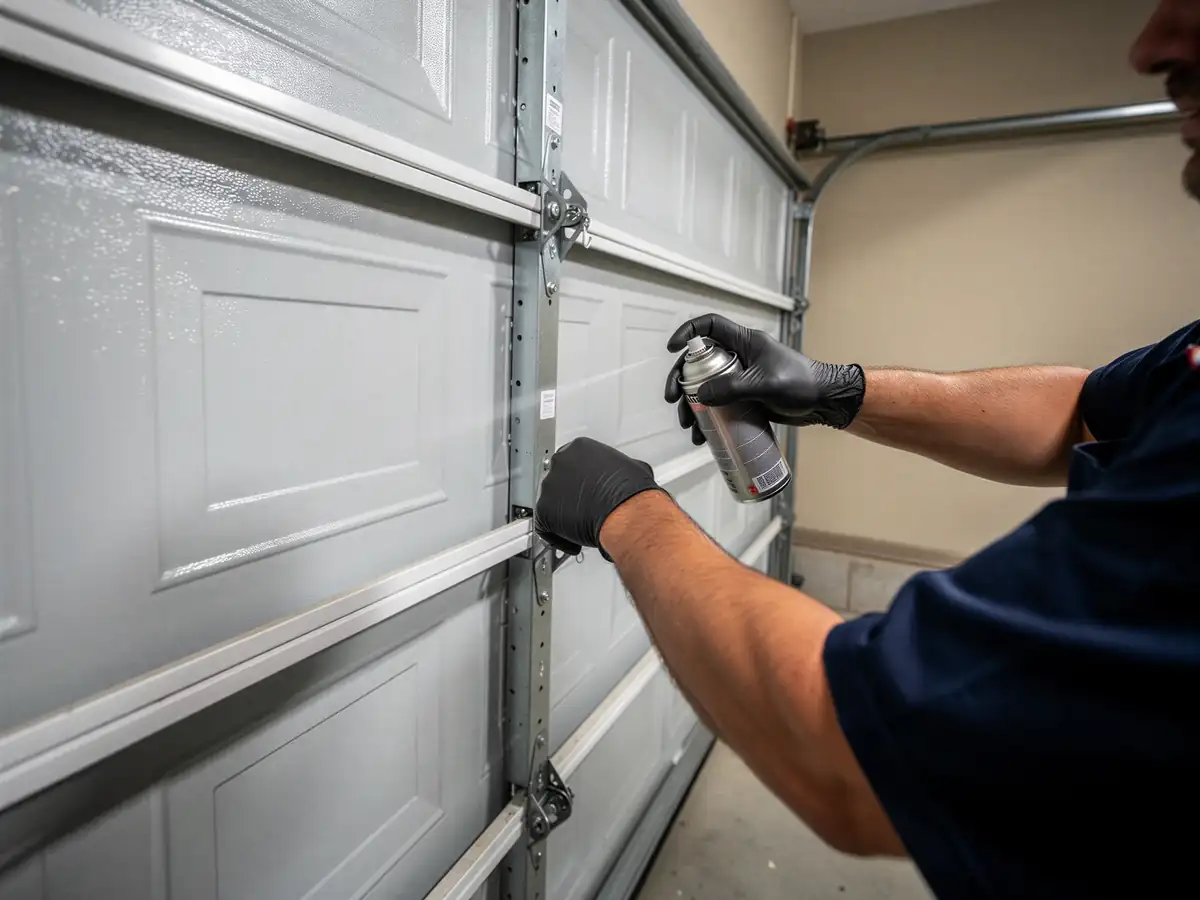
A technician in black gloves sprays lubricant on a gray garage door track.

Maintenance

Garage door maintenance for Vancouver, WA homes built 1977-2011, tuned to the region's mild, freeze-prone winters and aging torsion hardware across the area.

Learn more
Questions

Frequently asked

Straight answers about garage door repair in Vancouver. Still unsure? Ask us directly.

Is it worth fixing a garage door that's original to a 1990s house?

Usually yes, if the panels and track are straight. Steel sectional doors from that era hold up well, and the common failures - a worn spring, a stripped opener gear, a torn bottom seal - are all repairable parts rather than reasons to replace the whole door.

Why did my spring break on a cold morning when it's rarely freezing here?

Vancouver's climate is mild with only occasional freeze, but a spring that's already near the end of its cycle life will often let go on the coldest morning of the stretch, since cold steel is a little less forgiving under load. The cold is usually the trigger, not the cause.

My opener is original to the house - should I replace it?

If it's a chain or belt-drive unit from the 1980s or 90s and the gear has stripped, check whether a replacement gear kit is available before swapping the whole opener. Some older models use special-order parts, so get a lead-time estimate before deciding.

Do bottom brackets rust out here even without hard winters?

Yes. The occasional freeze-thaw cycle combined with ground moisture is enough to rust bottom brackets and the lowest roller track sections over a couple of decades, even without the deep freezes other regions see. It's a track and hardware repair, not a sign the door itself has failed.

Ready to get your garage door sorted?

Tell us what it’s doing and where you are in Vancouver - we’ll take it from there.

Request a QuoteCall