Serving Vancouver, WA & nearby
(360) 244-7926
Vancouver, WA

Off-Track Doors: What's Really Going On in Vancouver Homes

Vancouver homes built mostly between 1977 and 2011 carry original track hardware that ages predictably. Here's what actually knocks a door off track in this climate.

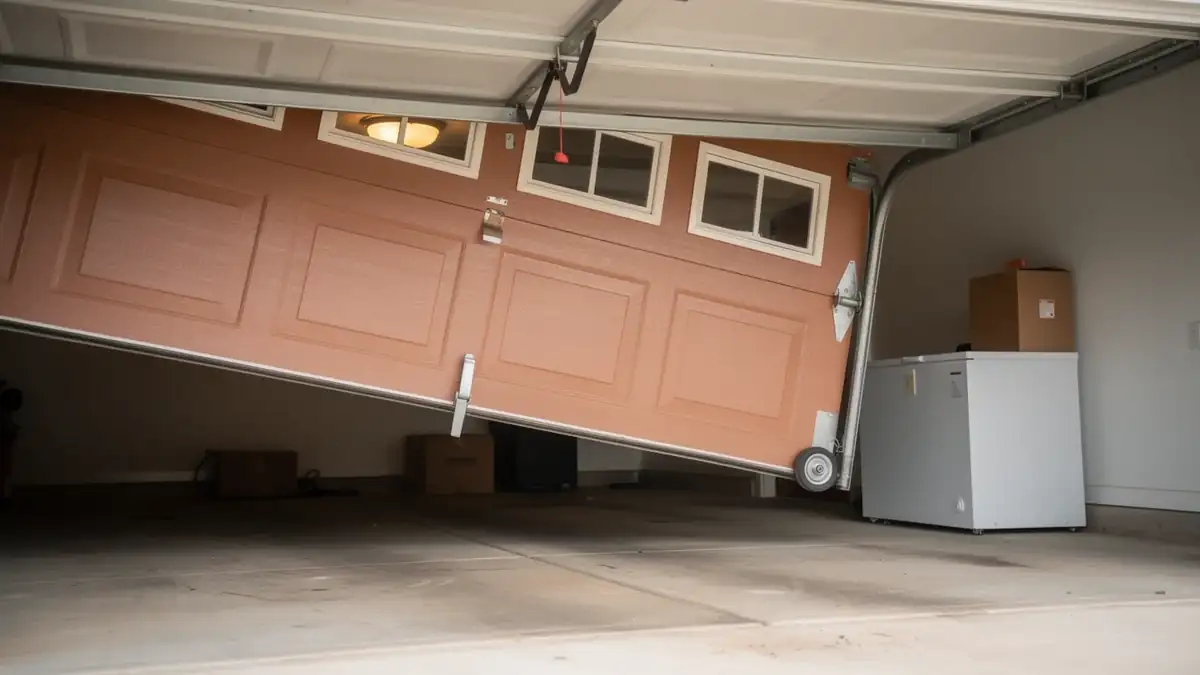
The brown garage door is off its tracks and hanging crookedly.

What the Weather Here Does to It

Vancouver sits in a mild band with some freeze, not the deep-freeze cycles that crack concrete apart, but enough to matter. A slab that holds steady most of the year still shifts a few thousandths when temperatures dip below freezing overnight, and that's enough to nudge a track bracket that's bolted into jamb framing rather than poured concrete. Add in the wet months, and wood jambs swell slightly, which changes the angle the vertical track sits at relative to the door panel. Neither movement is dramatic on its own. The problem is that it happens every year, in both directions, and track hardware doesn't flex back to center on its own. Over enough cycles the track walks out of plumb by a degree or two, which doesn't sound like much until a roller starts riding the edge of the rail instead of the center, and that's when a door jumps track on a cold morning instead of running smooth. We don't get the frost-heave damage that cracks foundations, but we do get this slower, quieter version of the same thing.

The Situation

Most housing in this service area went up between 1977 and 2011, with the bulk of it dating to the 1980s and 90s. That matters for track problems specifically because galvanized steel track from that era was typically installed with lag bolts straight into framing, not into the kind of reinforced jamb bracket that's standard on newer builds. Thirty to forty-five years of seasonal movement on that original hardware is a long time, and a lot of these homes still have the factory track. It's not that it was installed wrong. It's that nobody re-torques track bolts as part of normal homeownership, so a bracket that loosened a sixteenth of an inch in 1998 is still loose today, just with another two and a half decades of cycles added on top. Doors in neighborhoods like Hazel Dell, Orchards, and Five Corners that match this build era show the same pattern: track that's structurally fine but sitting a degree off true, which is enough to cause intermittent derailing under certain loads.

What to Check

Start at the rollers. If they're the original stamped-steel kind rather than nylon, they wear unevenly and that uneven wear telegraphs straight into track alignment. Next, run a hand along the vertical track bolts - if any move when you push on them, that's your loose bracket, and it's usually the top two or three bolts on one side that have backed out furthest. Check the horizontal track pitch too; it should angle very slightly downward toward the back of the garage, and on older installs that pitch sometimes flattens out over time as the bracket holding the rear track hanger sags. Last, look at the bottom corner brackets where the track meets the floor - these take the most repeated stress from daily opening and closing, and on a house with original 1980s or 90s hardware, this is usually where you'll find the most play. One honest note: if the track itself is visibly bent rather than just misaligned, straightening it rarely holds for long. Past a certain point, new track costs less in callbacks than repeated realignment.

What Changes With the Season

Through the mild stretch of the year, most of these tracks sit stable and a door that's slightly off true still runs fine because there's no extra load pulling it one direction. It's the occasional freeze that exposes the weak bracket, because the slab contracts just enough to change the geometry for a morning or two, and that's usually when a homeowner calls about a door that jumped the track on the coldest day of the week. The reverse happens in the wet season, when humidity swells the jamb and tightens the gap between track and panel, sometimes enough to cause rubbing rather than derailing. Neither extreme is severe by national standards, which is part of the problem: because the climate here doesn't force anyone to think about seasonal maintenance the way harsher climates do, these small annual shifts go unaddressed for years. A once-a-year check of track bolts and roller wear, timed to right before the first freeze, catches most of this before it becomes an off-track call.

How it works

From “it’s stuck” to “it’s fixed”

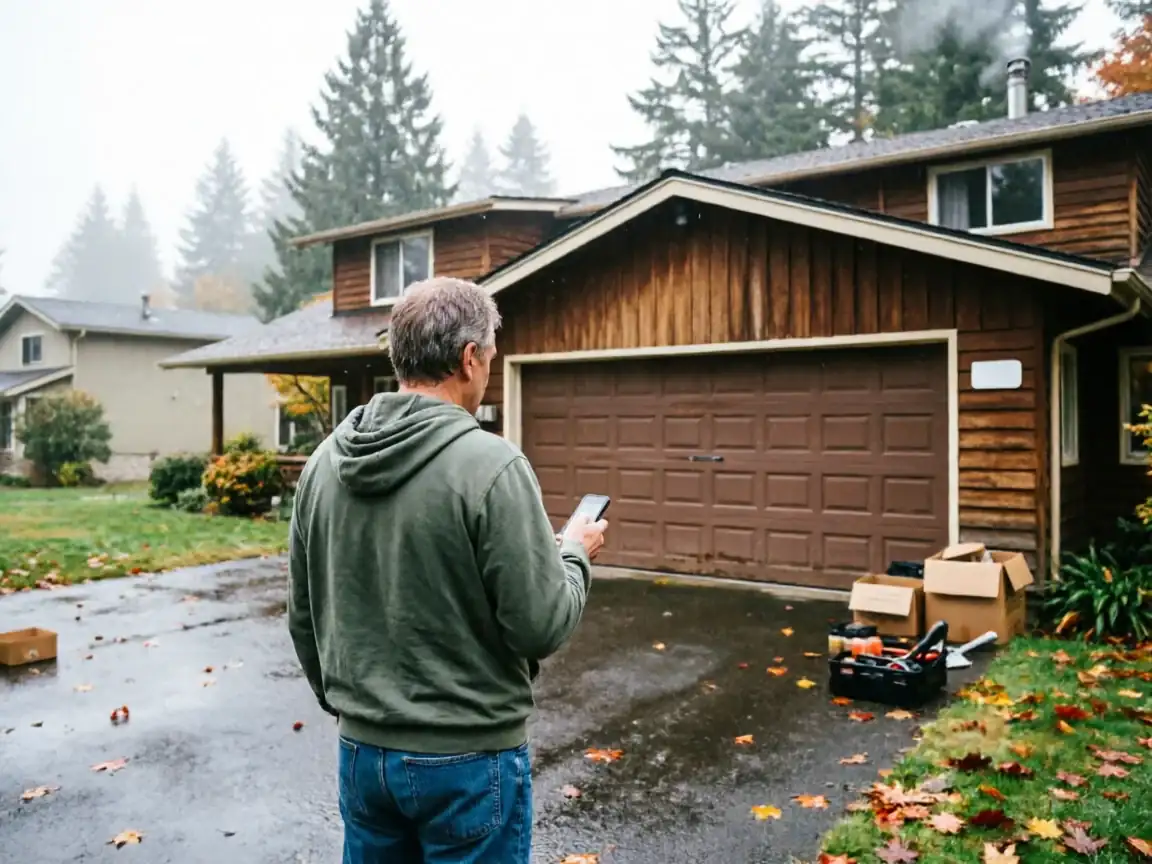
A man stands in a driveway looking at his phone in front of a house.

Tell us what’s wrong

Describe the symptom - won’t open, loud bang, opener runs but the door won’t move.

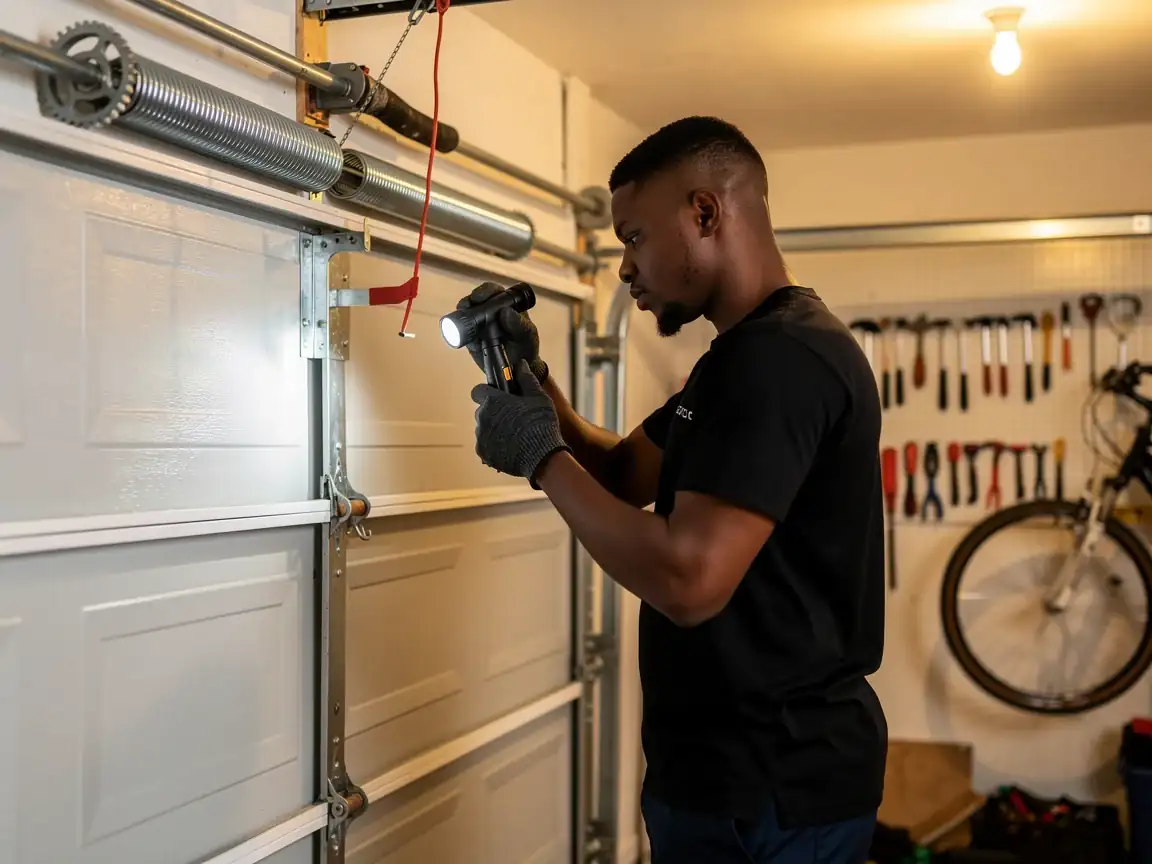
A technician shines a flashlight on the garage door's top panel and roller.

On-site diagnosis

A technician tests the door under power and by hand and finds what actually failed.

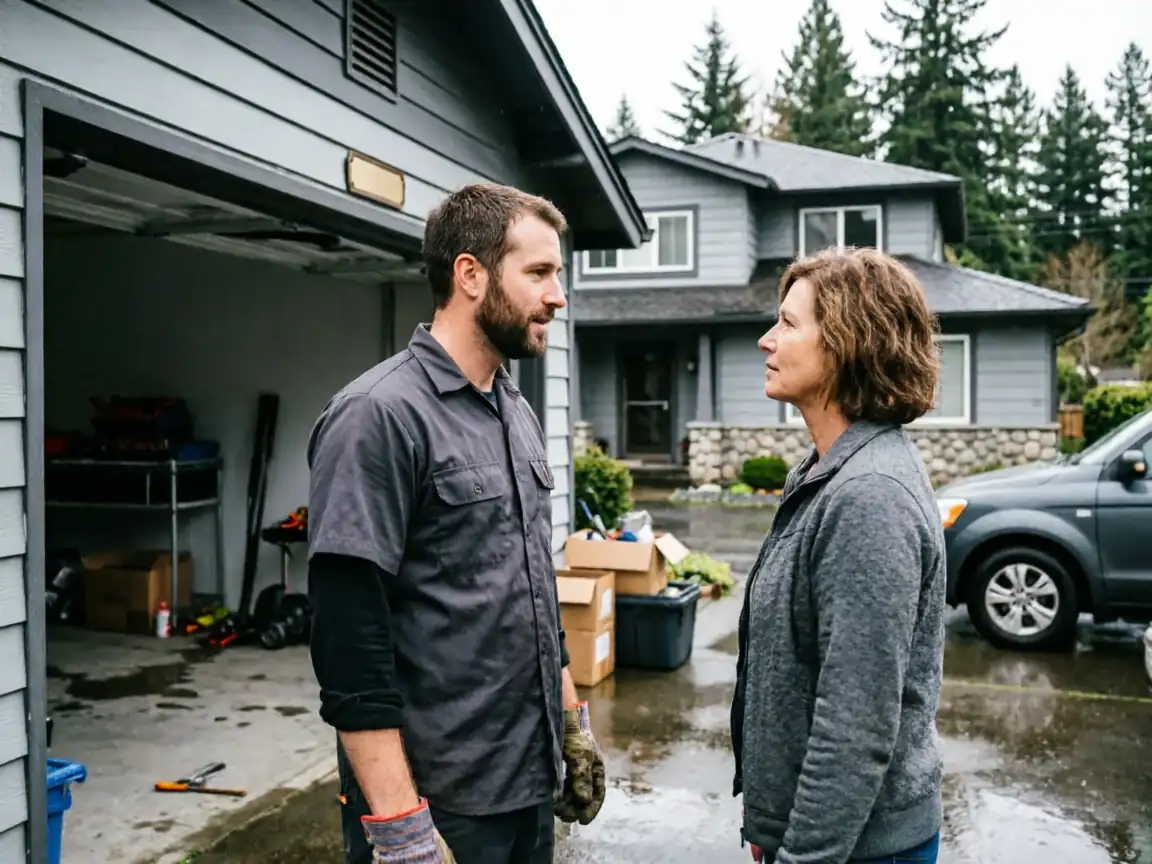
A technician and a woman stand talking in front of a garage and house.

Clear, up-front plan

You get the fix that’s needed and what drives the cost - before any work starts.

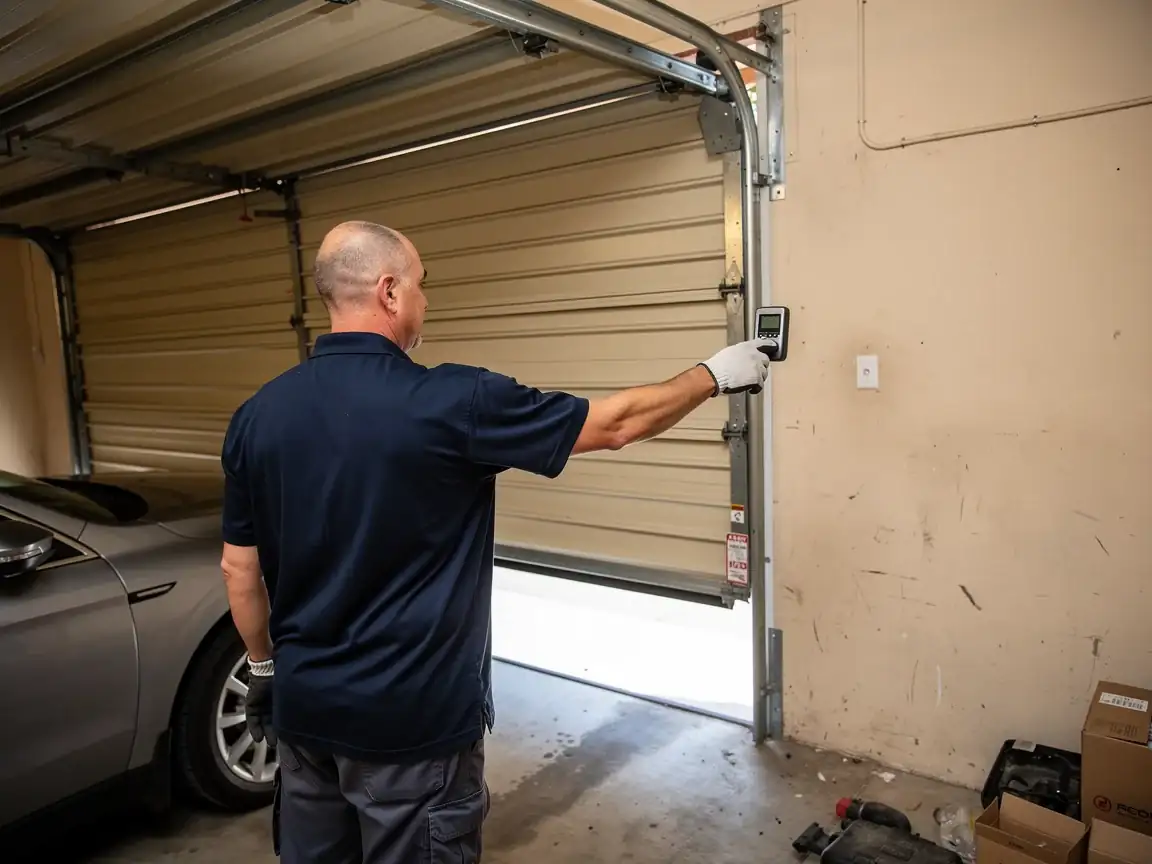
A technician holds a remote control while standing next to an open garage door.

Repaired & tested

The repair is done, the door is set true and tested, and the work area left clean.

Not sure which repair your door needs in Vancouver, WA? Describe what it’s doing - every job starts with a diagnosis.

How we work

What to expect

  • Diagnosis firstEvery visit starts by finding what actually failed - not a pre-written parts list.
  • The right part for the doorSprings and openers matched to the door’s weight and age, so the fix holds up.
  • Straight answersWhen a repair makes more sense than a replacement - or the reverse - you hear it plainly.
  • Clean, careful workTension released safely, hardware set true, the door tested under power before we leave.
What we do

Garage Door Services

Repair and installation work for Vancouver homes and businesses.

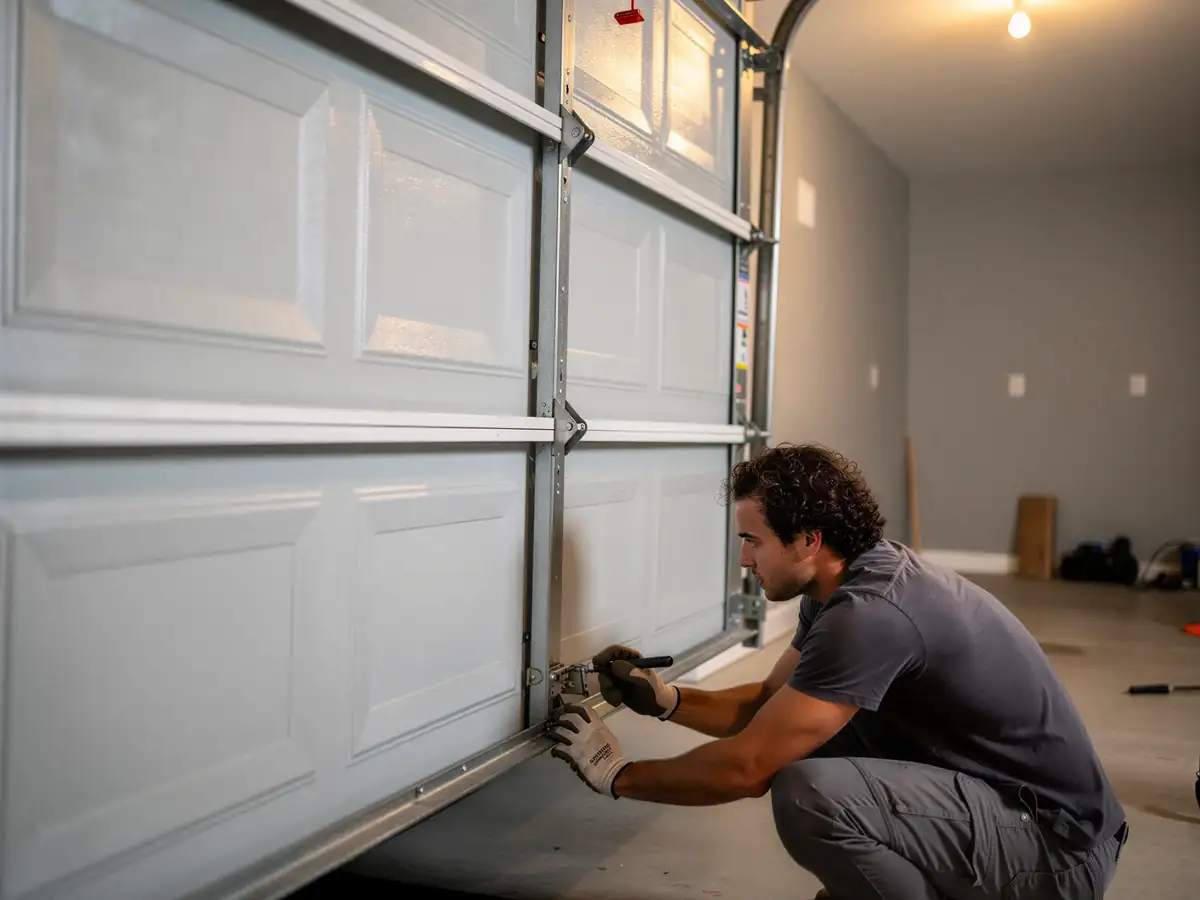
A technician in gloves crouches, working on the bottom panel of a white garage door.

Garage Door Repair

Garage door repair for Vancouver WA homes built from the late 70s through the 2000s. We know why springs and openers from that era fail and what it takes to fix them.

Learn more
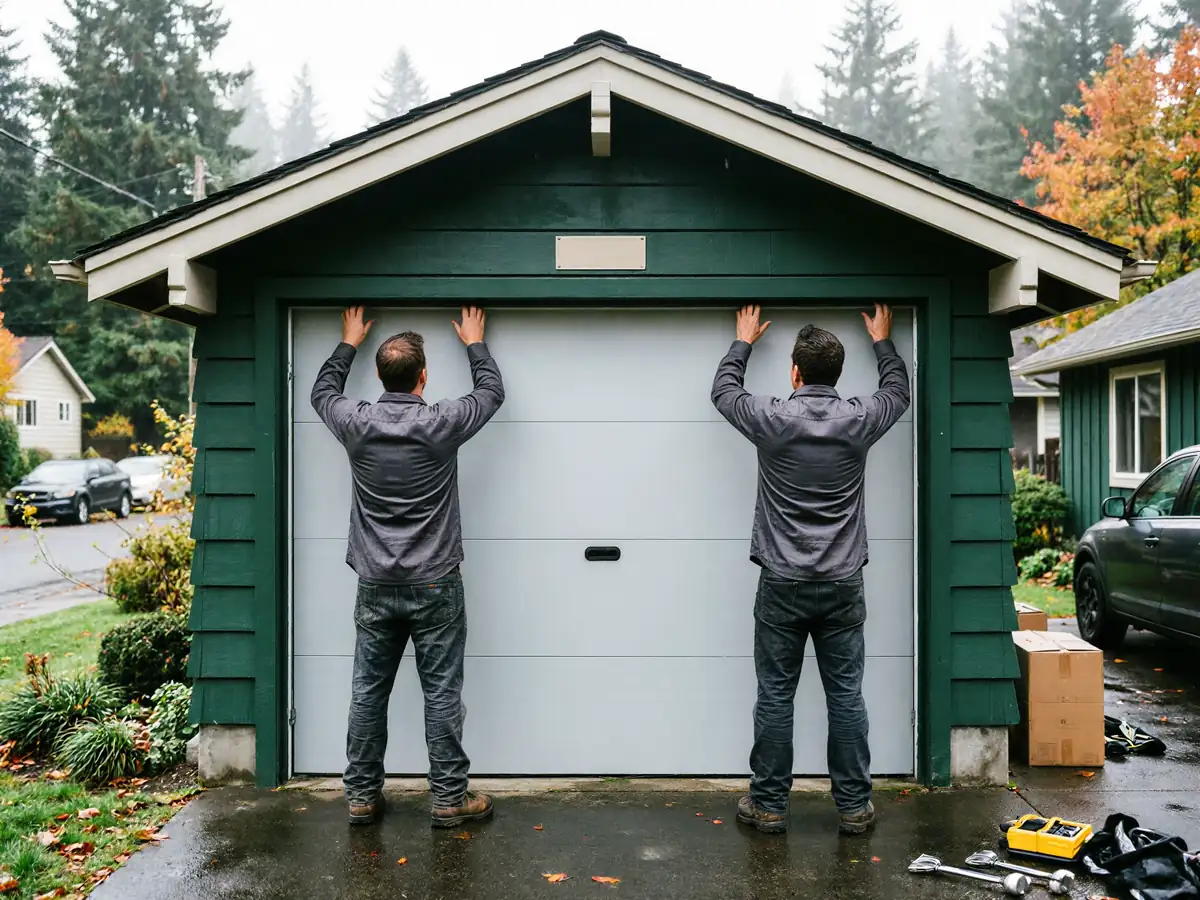
Two technicians install a new white garage door on a green garage.

Garage Door Installation

Most Vancouver homes went up between 1977 and 2011, so a lot of original garage doors are now past their service life. Here's what installation involves and costs here.

Learn more
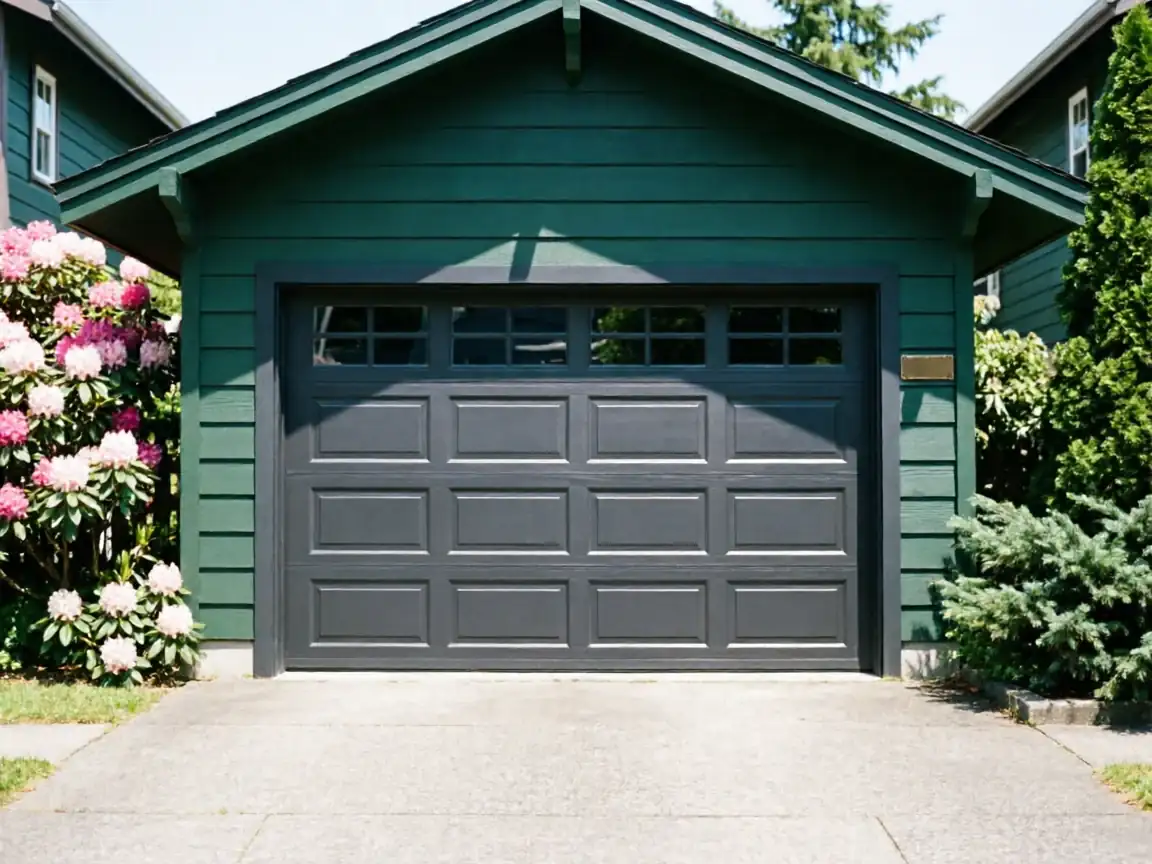
A dark gray garage door with windows on a green garage.

Garage Door Service

Garage door repair and tune-up service for Vancouver, WA homes built mostly in the 1980s and 90s, from Hazel Dell to Felida. Same housing-era problems, handled right.

Learn more
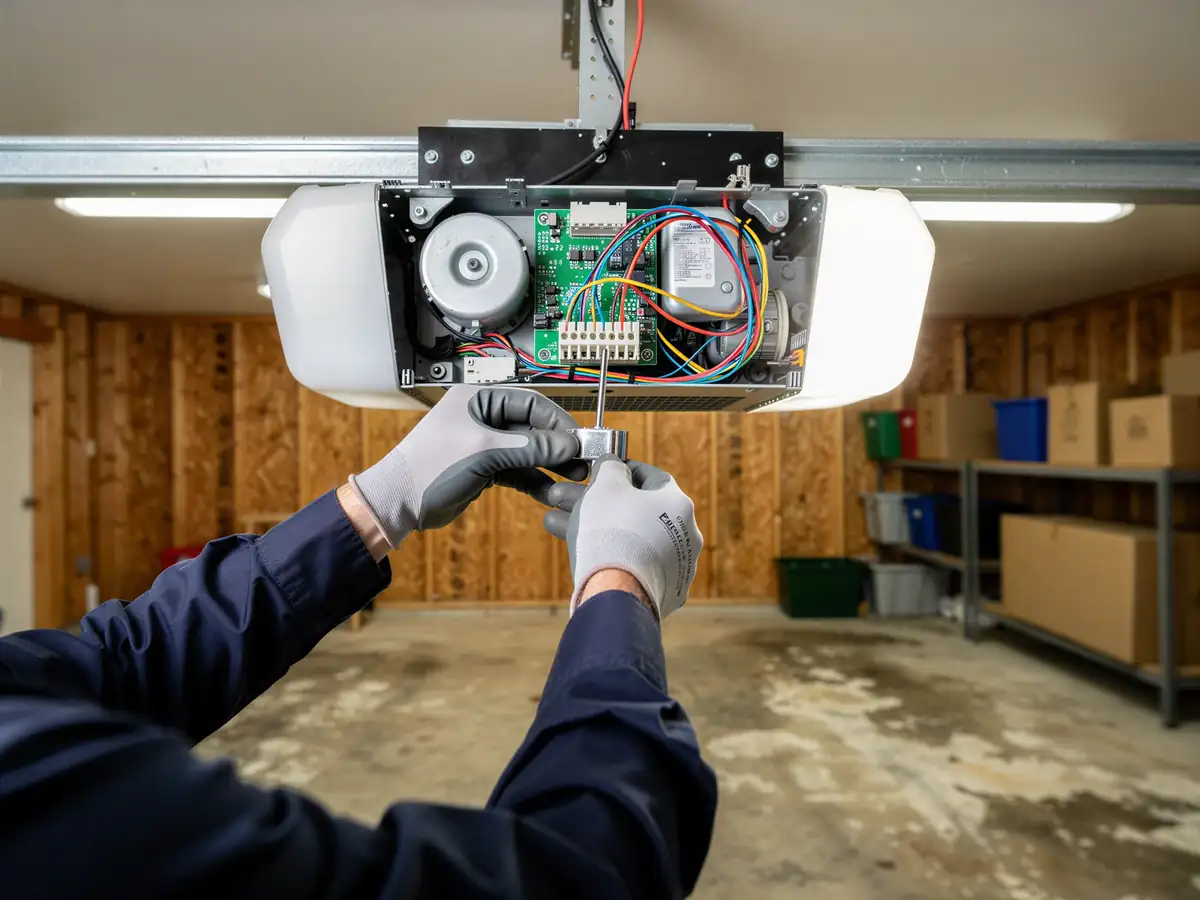
A technician in gloves works on the exposed circuit board of a garage door opener.

Opener Repair

Opener repair for Vancouver, WA area homes built 1977-2011. Mild winters and aging drive gears cause strips, dead sensors, and silent openers that quit.

Learn more
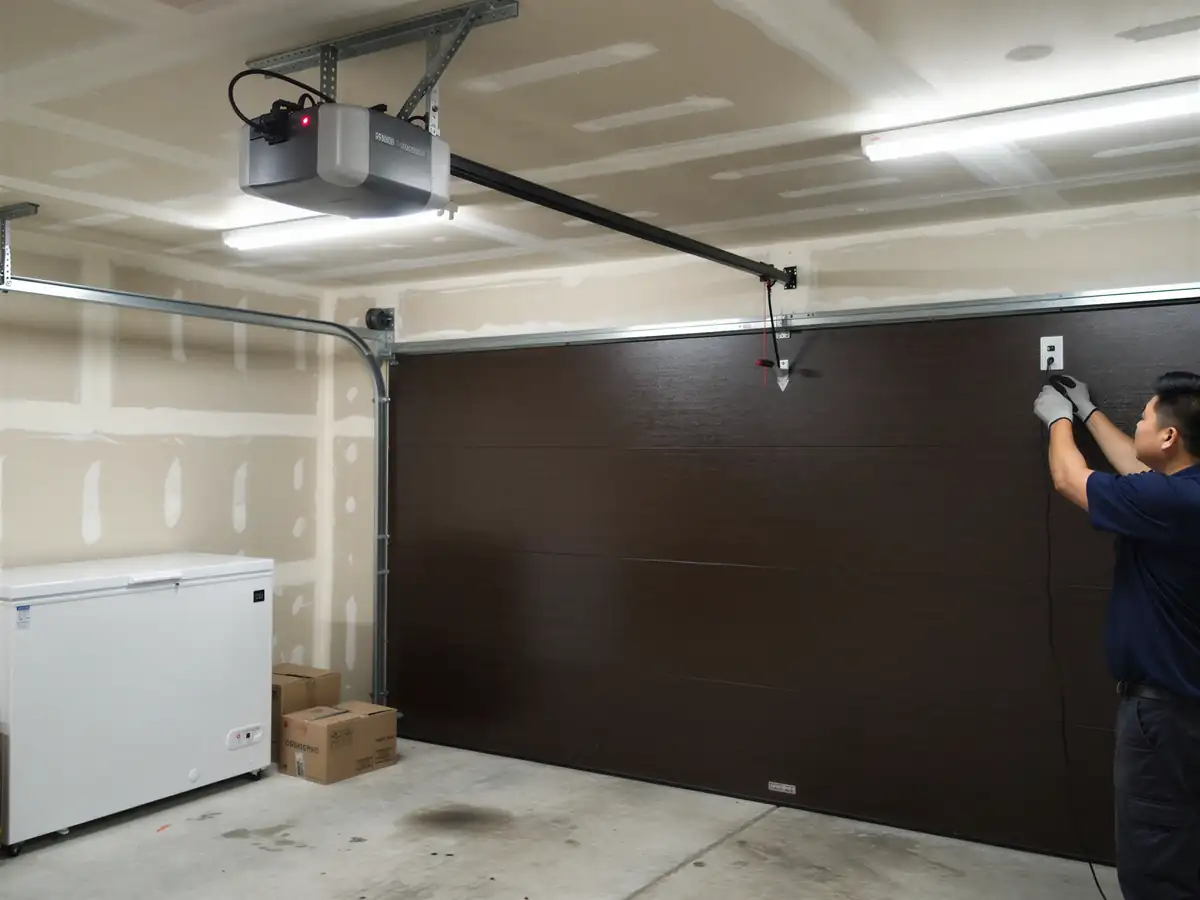
A technician installs a garage door opener control panel on a brown garage door.

Opener Installation

Opener installation for Vancouver, WA houses built 1977-2011 - matching lift type to door weight and mild-freeze climate, with straight talk on what drives the cost.

Learn more
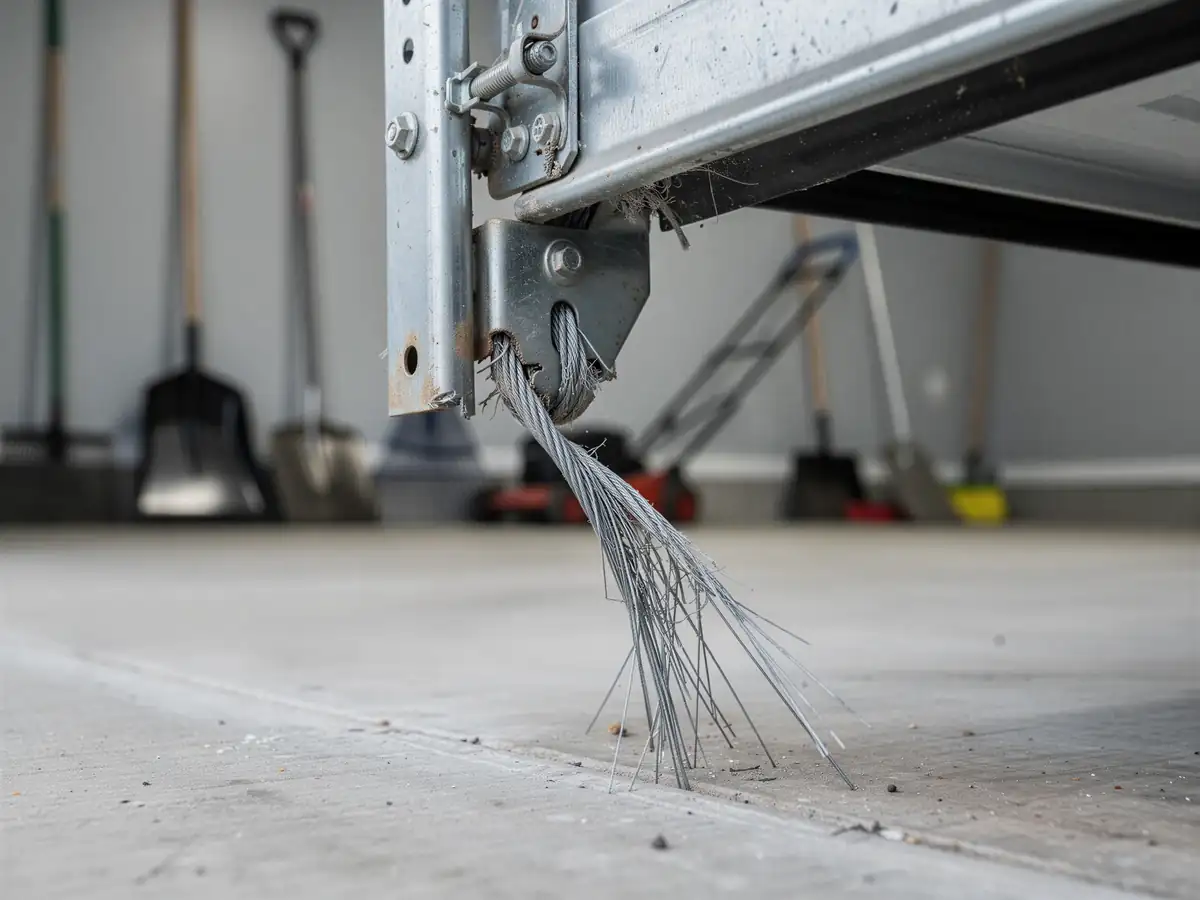
The frayed garage door cable hangs from the bottom of the garage door.

Cable Repair

Broken or frayed garage door cables are common in Vancouver's 1977-2011 housing stock. Same-area service for cable repair and replacement, with an honest look at what drives the job.

Learn more
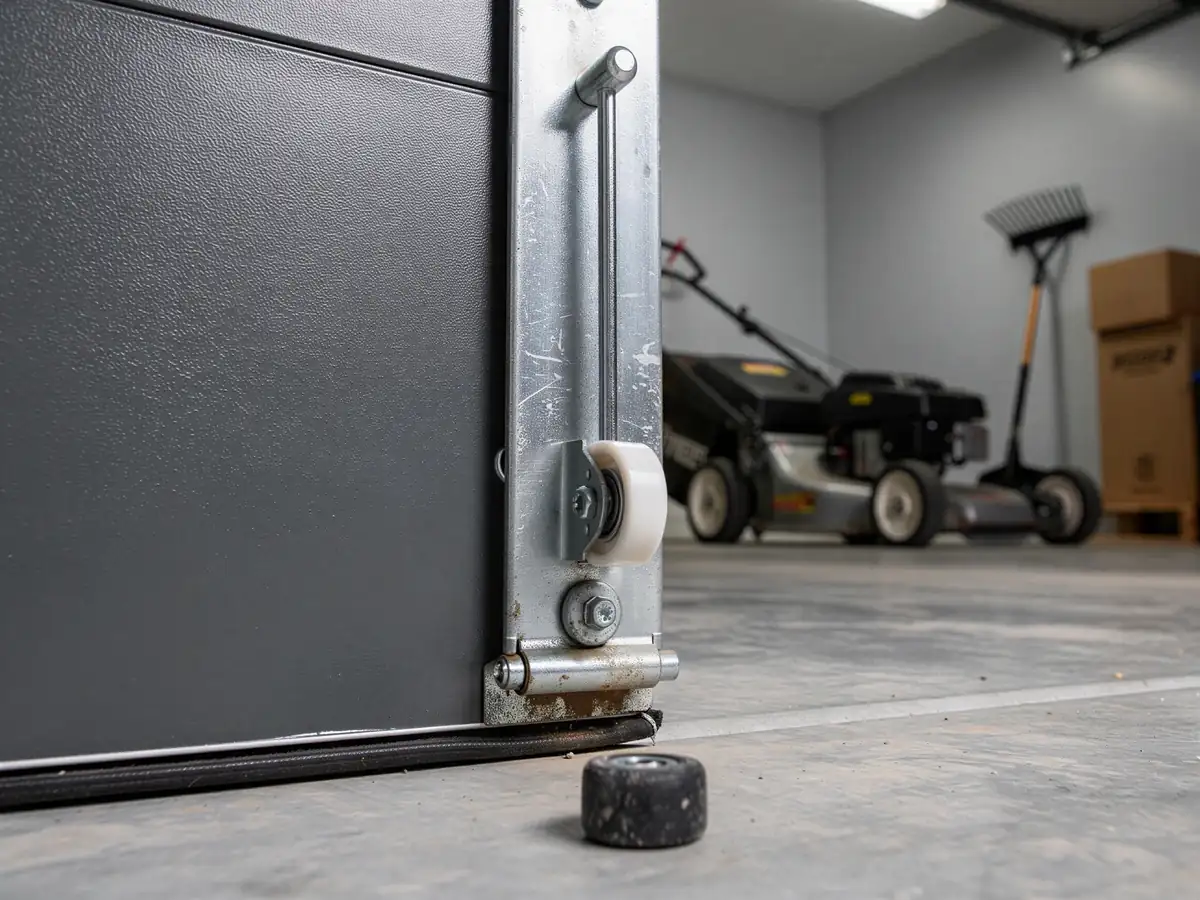
A garage door roller is detached from the track, with a broken wheel on the floor.

Roller Replacement

Worn or cracked rollers on Vancouver, WA homes built 1977-2011 cause grinding and binding. We replace them with steel or nylon rollers sized to your track.

Learn more
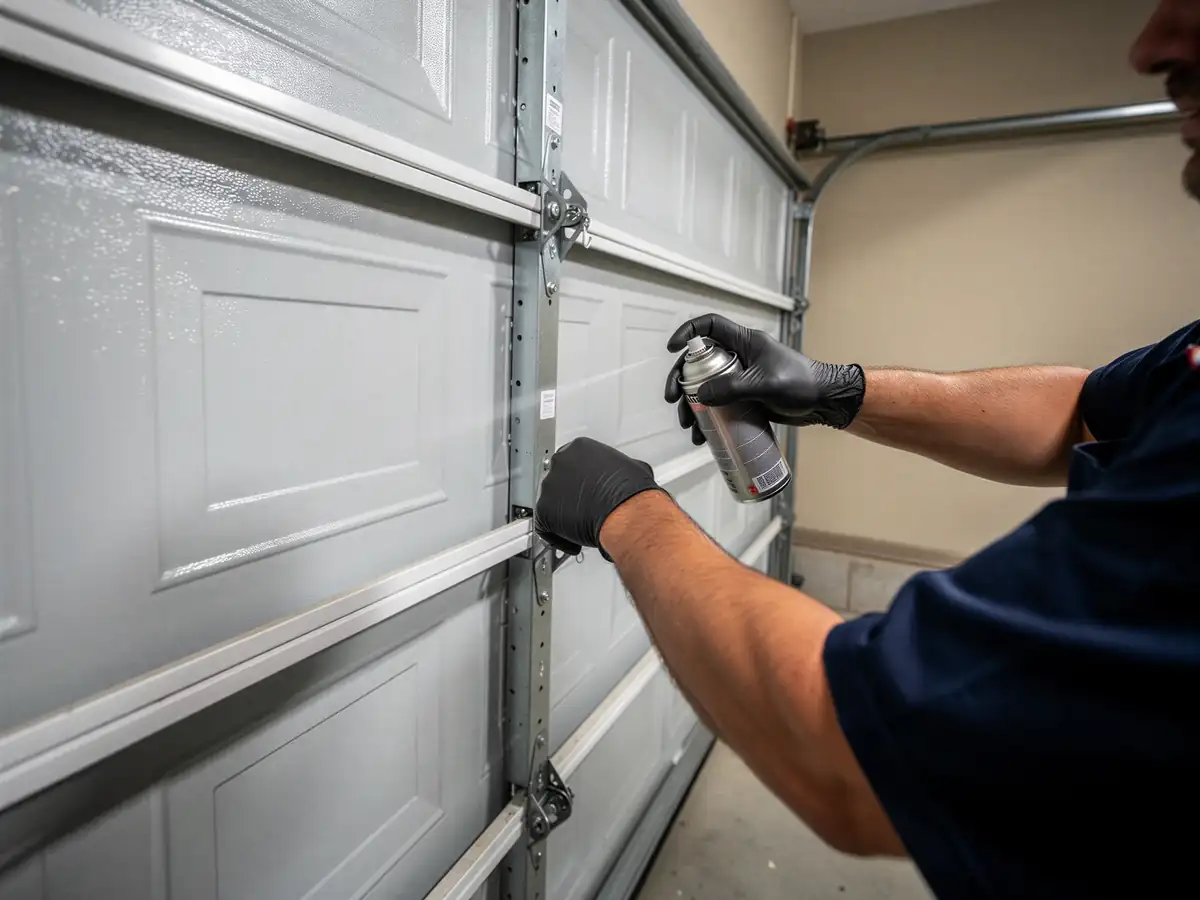
A technician in black gloves sprays lubricant on a gray garage door track.

Maintenance

Garage door maintenance for Vancouver, WA homes built 1977-2011, tuned to the region's mild, freeze-prone winters and aging torsion hardware across the area.

Learn more
Questions

Frequently asked

Straight answers about garage door repair in Vancouver. Still unsure? Ask us directly.

Why does my garage door only jump the track in cold weather?

Cold snaps cause the slab and track brackets to contract slightly, which changes the track's alignment just enough to let a worn roller slip off the rail. It's usually a sign the bracket was already loose or the roller was already worn - the cold just exposes it rather than causing it.

My house was built in the 1990s - is that why my track hardware is original?

Likely yes. A large share of homes in this area were built in the 1980s and 90s, and original galvanized track bolted into jamb framing was standard then. That hardware can run for decades, but the bolts loosen with seasonal movement and usually need re-torquing, not replacement.

Is it ever not worth fixing a bent track?

Yes. If the vertical track is visibly bent rather than just out of alignment, straightening it is usually a short-term fix. Replacing that section costs less over time than repeat callbacks for the same bend reopening.

Ready to get your garage door sorted?

Tell us what it’s doing and where you are in Vancouver - we’ll take it from there.

Request a QuoteCall