Serving Vancouver, WA & nearby
(360) 244-7926
Vancouver, WA

What Vancouver's Mild Winters Do to a 1990s Garage Door

Most houses here went up between 1977 and 2011. Here's what the mild, occasional-freeze climate does to a 1990s-era garage door and what to check before winter.

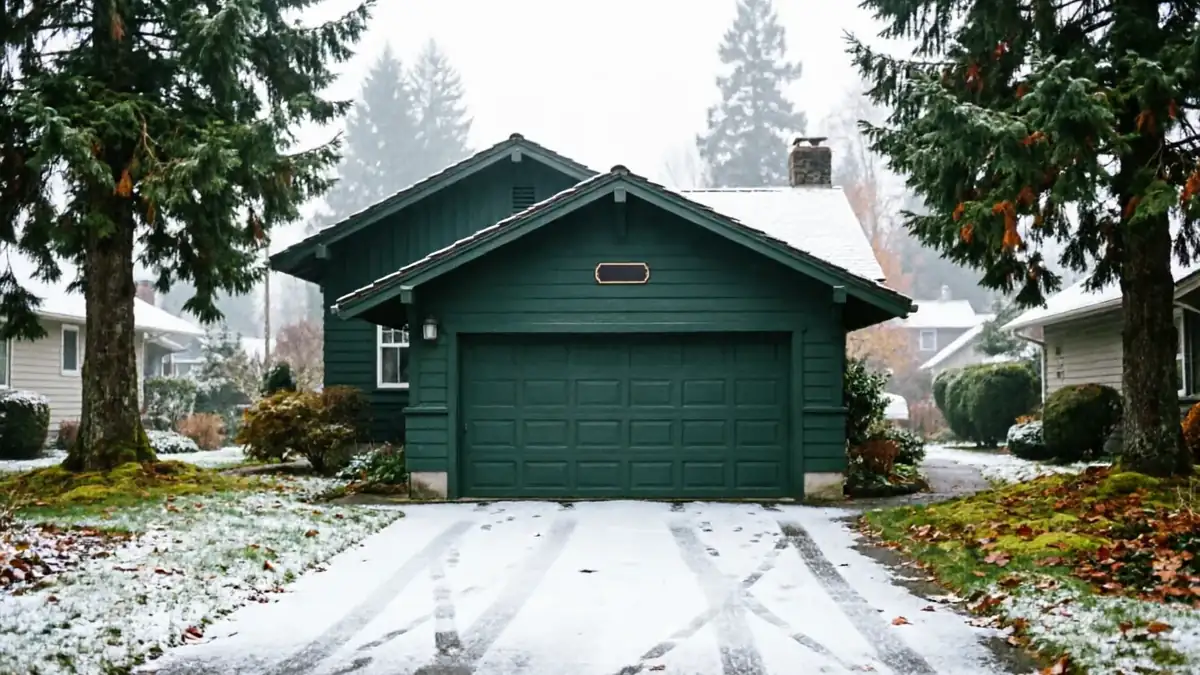
A green house with a green garage door and a snow-covered driveway.

What the Weather Here Does to It

The climate band this area sits in is mild with occasional freeze, not the hard, sustained cold that snaps steel outright. That matters because it changes what actually fails. A spring doesn't usually break from one brutal night; it fatigues slowly, season after season, from the handful of mornings a year the temperature drops enough to stiffen the coil and make the opener strain against it. Lubricant that's fine in October can gum up by January. Weatherstripping along the bottom panel hardens and starts letting in drafts on the colder nights, then softens again the rest of the year, which is its own kind of wear.

Because the freezes here are occasional rather than constant, a lot of owners never notice the slow damage until the door won't open smoothly on one of those cold mornings and they assume something just broke. Usually it didn't just break. It's been loosening, drying out, or rusting slightly at the hinges for longer than that one morning. If your door groans or hesitates specifically when it's cold and runs fine the rest of the week, that's the pattern to pay attention to, not a one-off.

The Situation

Housing across this service area was built mostly between 1977 and 2011, with the median landing around 1994. That's the stretch that matters for garage doors, because it's roughly the window when steel sectional doors with basic polystyrene insulation became the standard replacement for the older one-piece wood doors. Across the 22 named areas we work in - Minnehaha and Five Corners a few miles out, Orchards and Hazel Dell a bit further, all the way to Battle Ground and Amboy at the edge of the service area - the stock is overwhelmingly that same 1980s-and-90s construction, not older growth and not new builds.

What that means in practice: a huge share of the doors out there are 25 to 45 years old, running on torsion springs and rollers sized for that era's door weight and that era's expectations. Hardware from 1994 wasn't built to last indefinitely, and a lot of it is at or past the point where a repair is a stopgap rather than a fix. We don't carry parts for every discontinued panel style from that period - sometimes a replacement section just isn't available anymore, and replacing the whole door is the honest answer, not another patch.

What to Check

  1. Start with the springs

    If your door was installed anywhere near that 1994 median build year, the torsion spring has likely never been swapped, and a spring that age is working harder than it should on a cold morning. Listen for a grinding or uneven sound when the opener strains - that's often the spring compensating, not the motor.

  2. Next, check the bottom weatherstripping

    On a door that's seen 25-plus winters of mild cold and the occasional freeze, that rubber seal has hardened and cracked in spots even if it looks okay from a distance. Run a hand along it; brittle or flat spots mean it's not sealing anymore.

  3. Look at the rollers and track alignment too

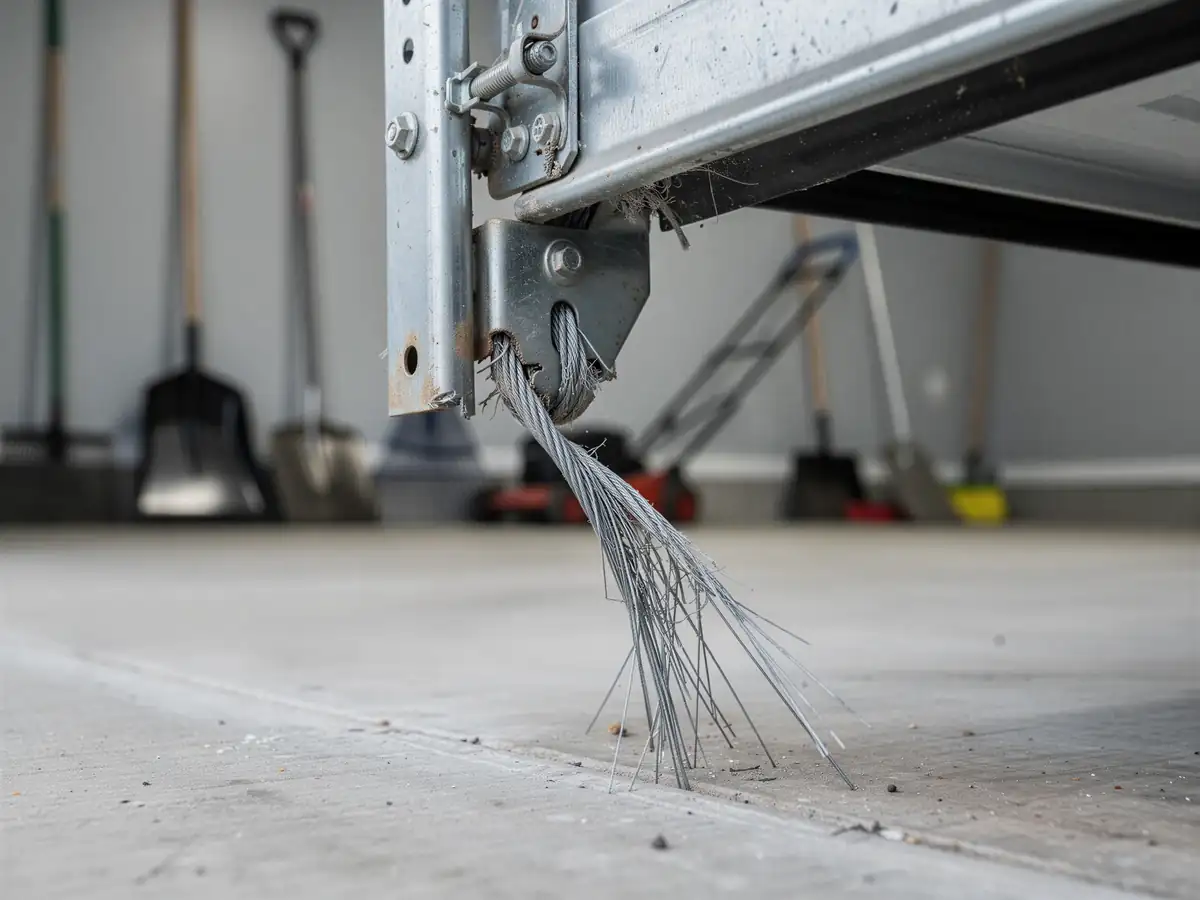
    Steel rollers from that era corrode faster once moisture gets into the track, especially after a cold stretch followed by rain, which is a normal pattern here. And check the cable ends near the bottom brackets for fraying - cables don't fail often, but when they do it's usually on an older door that's never had one replaced.

  4. If you're hearing more than one of these symptoms at once

    That's less a maintenance visit and more a sign the door is near the end of its working life.

What Changes With the Season

Because this area sits in a mild band with only occasional freeze, the seasonal shift isn't dramatic, but it's real. Springs tighten slightly in cold air and loosen as temperatures climb back up, which changes how much effort the opener needs to lift the door - a door that closes smoothly in July can feel heavier in January without anything actually being broken.

Lubricant matters more in the cold months. A dry chain or a spring that hasn't been lubricated recently will bind up faster when temperatures drop, even briefly. Weatherstripping is the other piece - it does most of its hardening during the coldest stretch and then relaxes again once the weather warms, so the best time to replace it is right before the cold arrives, not after you've already noticed the draft.

With 54,040 owner-occupied houses in this area and most running on hardware from the 1980s and 90s, a lot of owners are dealing with this same seasonal creak at roughly the same time of year. It's worth a look-over before the coldest stretch rather than waiting for the morning the door won't budge.

How it works

From “it’s stuck” to “it’s fixed”

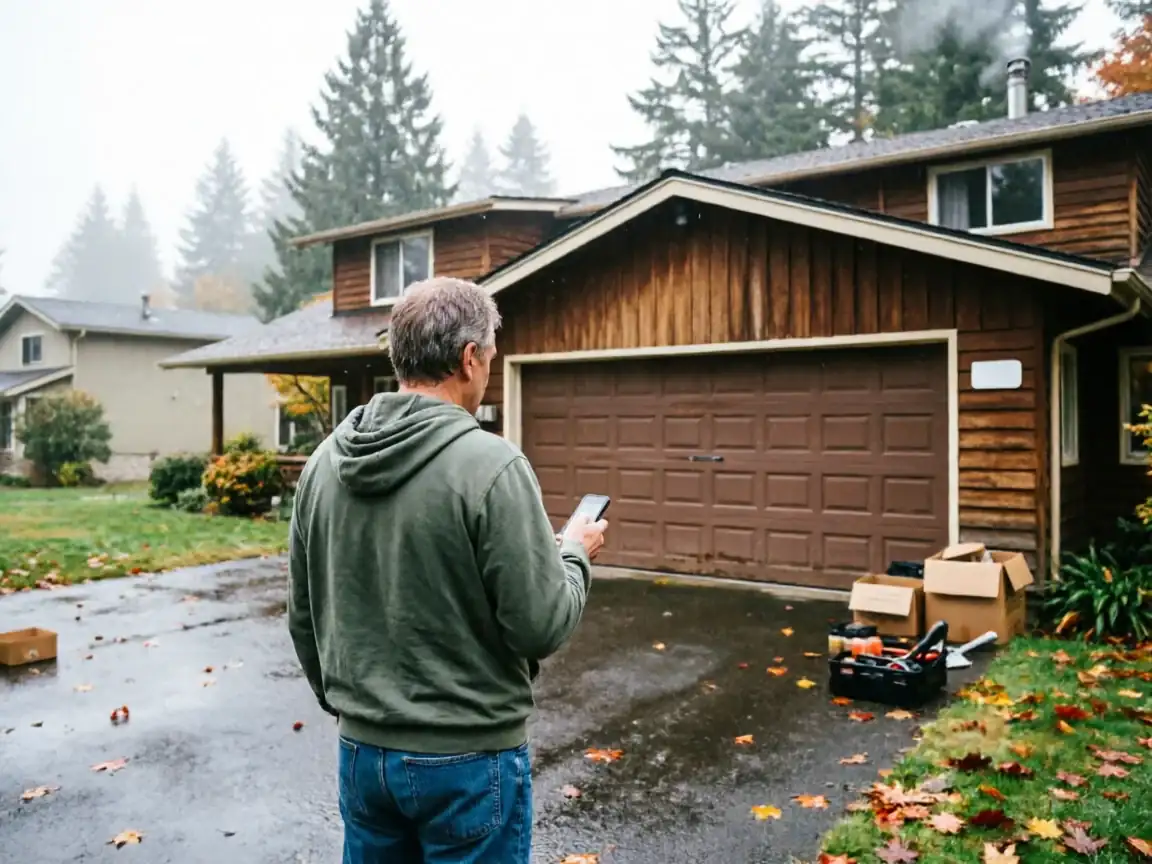
A man stands in a driveway looking at his phone in front of a house.

Tell us what’s wrong

Describe the symptom - won’t open, loud bang, opener runs but the door won’t move.

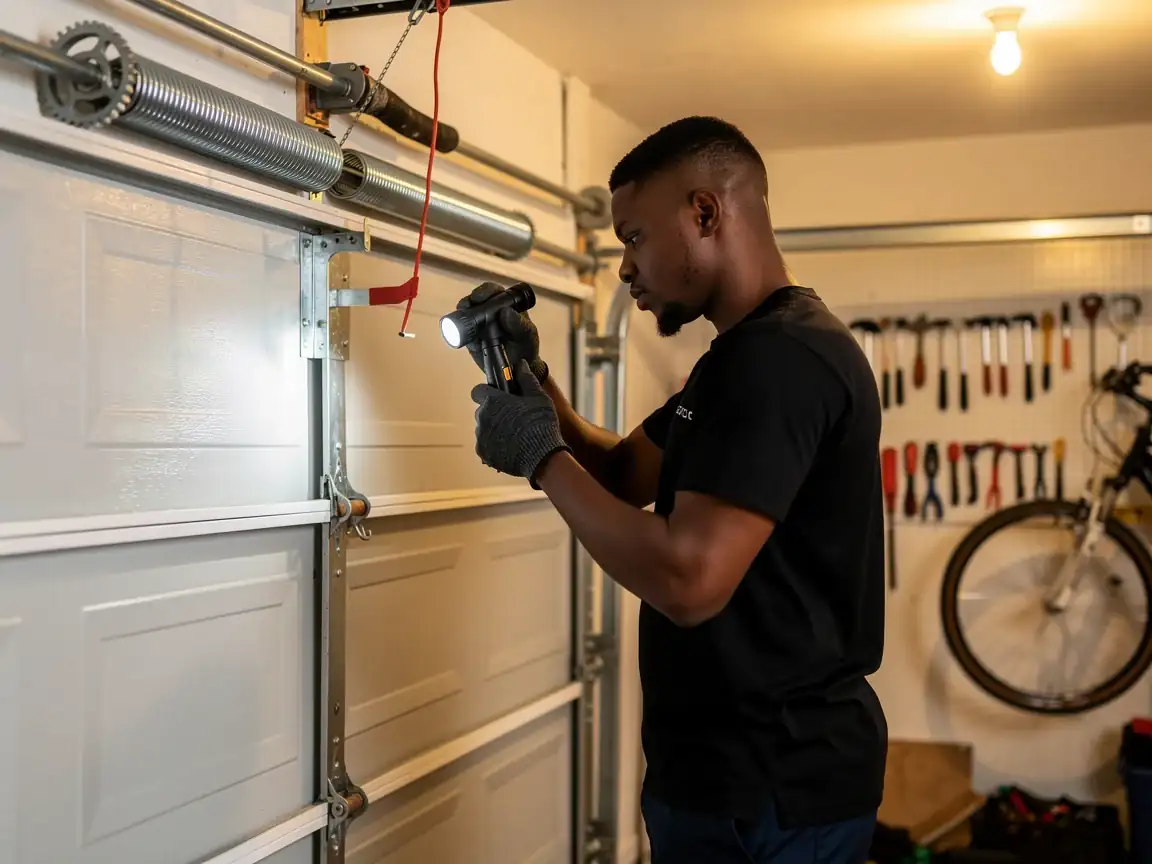
A technician shines a flashlight on the garage door's top panel and roller.

On-site diagnosis

A technician tests the door under power and by hand and finds what actually failed.

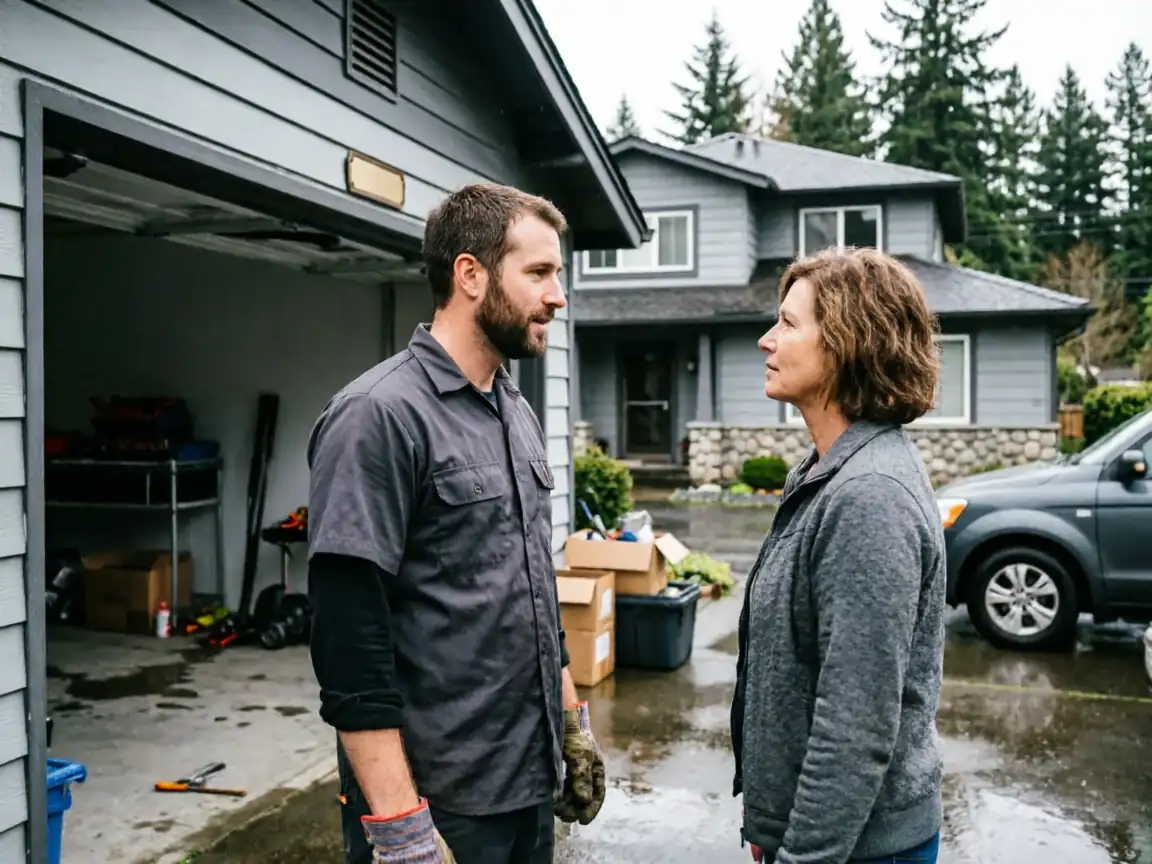
A technician and a woman stand talking in front of a garage and house.

Clear, up-front plan

You get the fix that’s needed and what drives the cost - before any work starts.

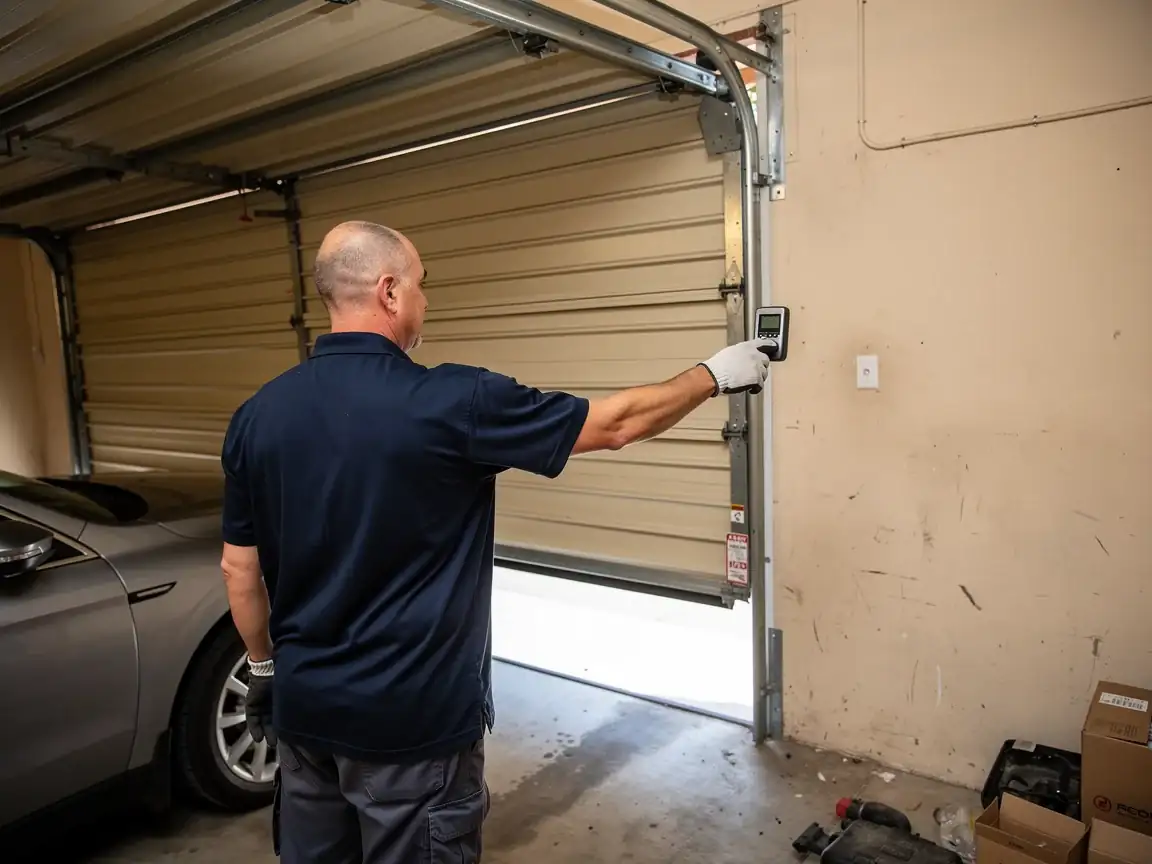
A technician holds a remote control while standing next to an open garage door.

Repaired & tested

The repair is done, the door is set true and tested, and the work area left clean.

Not sure which repair your door needs in Vancouver, WA? Describe what it’s doing - every job starts with a diagnosis.

How we work

What to expect

  • Diagnosis firstEvery visit starts by finding what actually failed - not a pre-written parts list.
  • The right part for the doorSprings and openers matched to the door’s weight and age, so the fix holds up.
  • Straight answersWhen a repair makes more sense than a replacement - or the reverse - you hear it plainly.
  • Clean, careful workTension released safely, hardware set true, the door tested under power before we leave.
What we do

Garage Door Services

Repair and installation work for Vancouver homes and businesses.

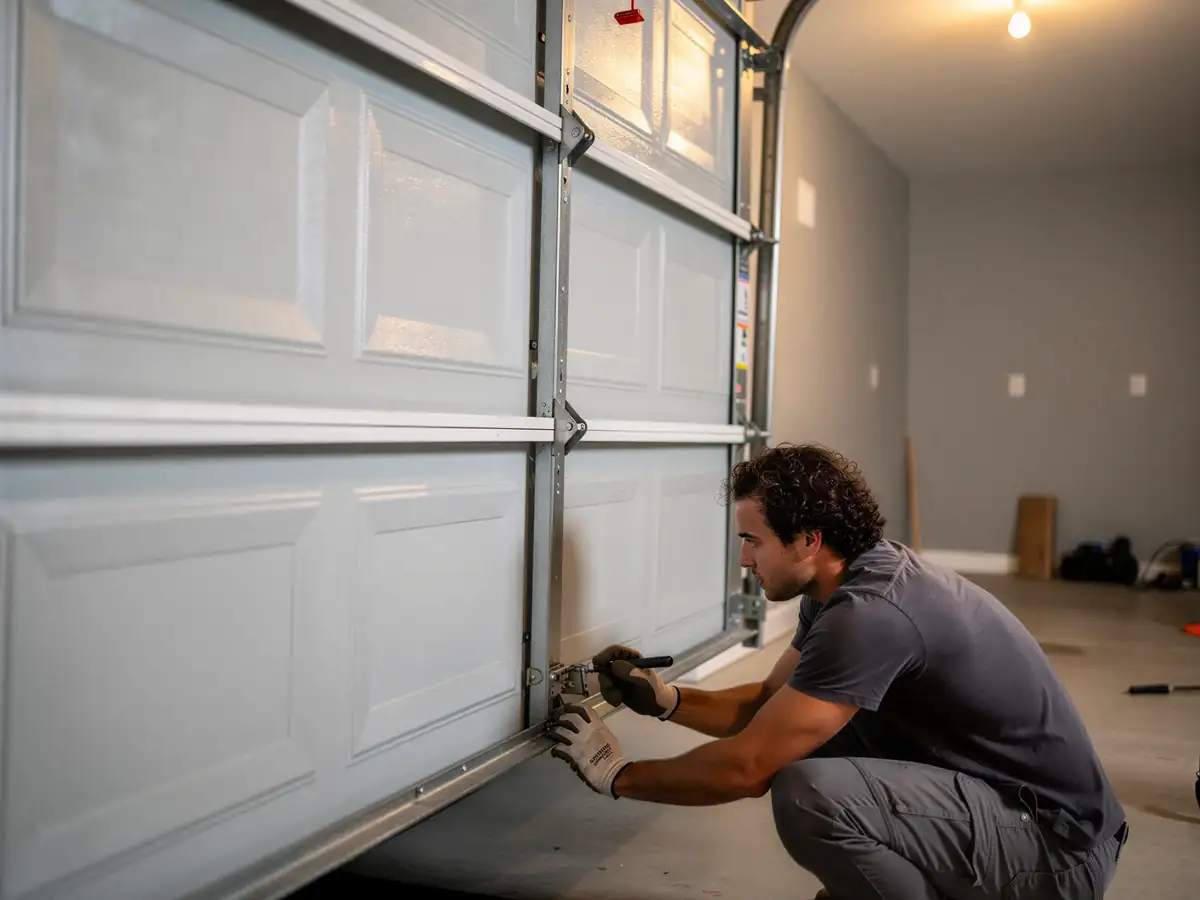
A technician in gloves crouches, working on the bottom panel of a white garage door.

Garage Door Repair

Garage door repair for Vancouver WA homes built from the late 70s through the 2000s. We know why springs and openers from that era fail and what it takes to fix them.

Learn more
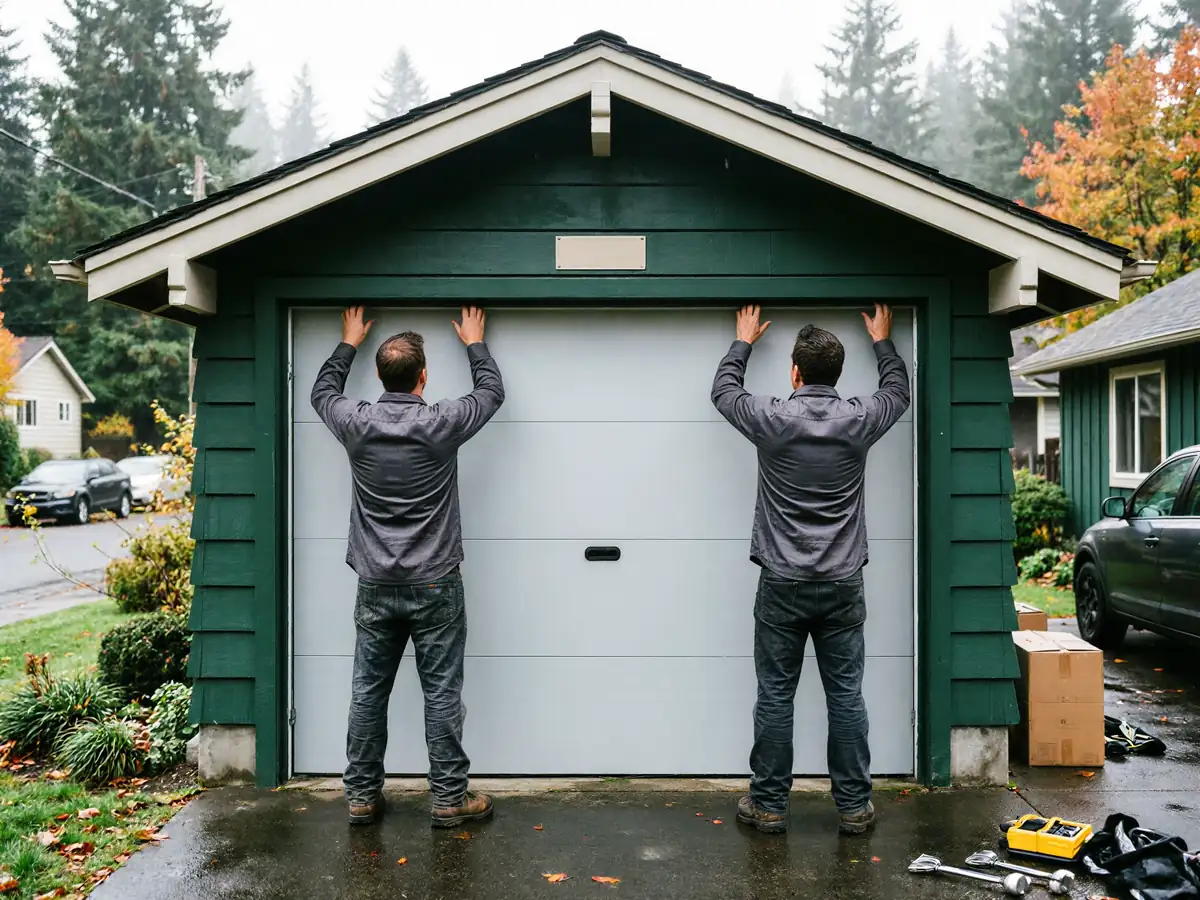
Two technicians install a new white garage door on a green garage.

Garage Door Installation

Most Vancouver homes went up between 1977 and 2011, so a lot of original garage doors are now past their service life. Here's what installation involves and costs here.

Learn more
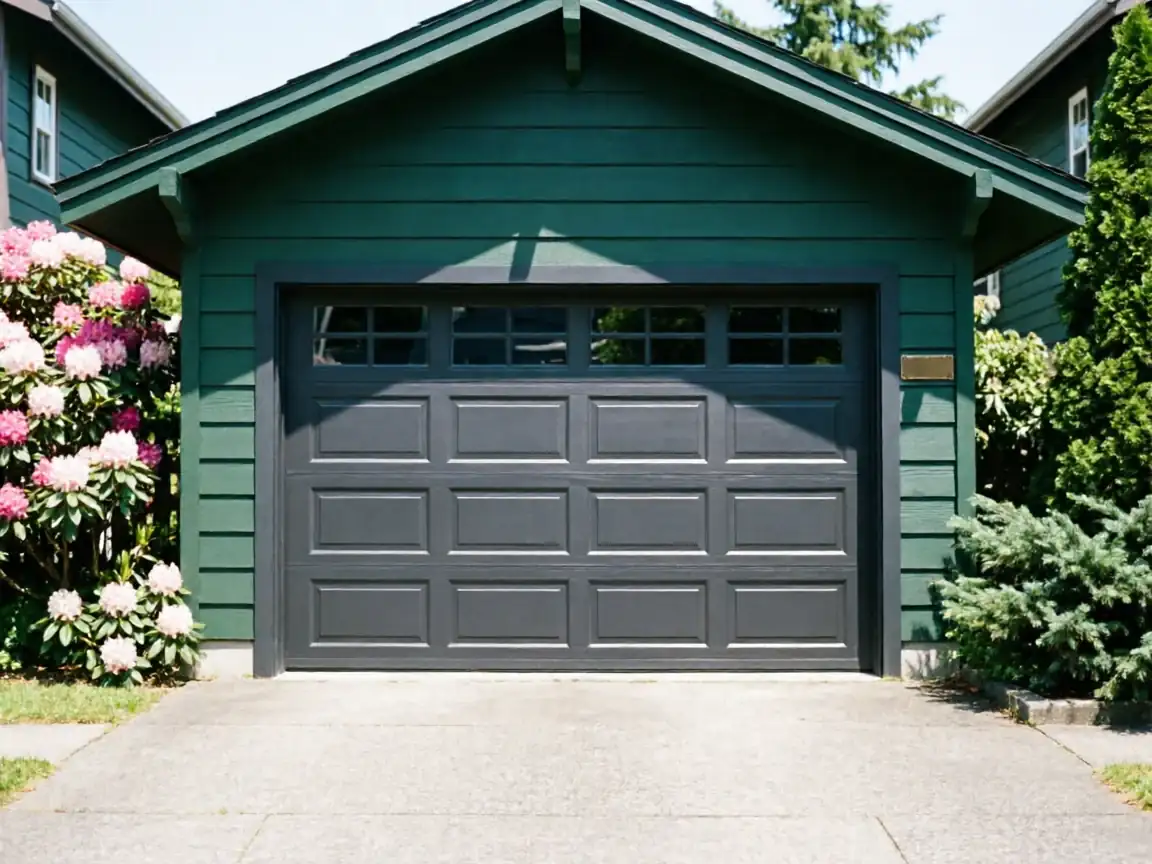
A dark gray garage door with windows on a green garage.

Garage Door Service

Garage door repair and tune-up service for Vancouver, WA homes built mostly in the 1980s and 90s, from Hazel Dell to Felida. Same housing-era problems, handled right.

Learn more
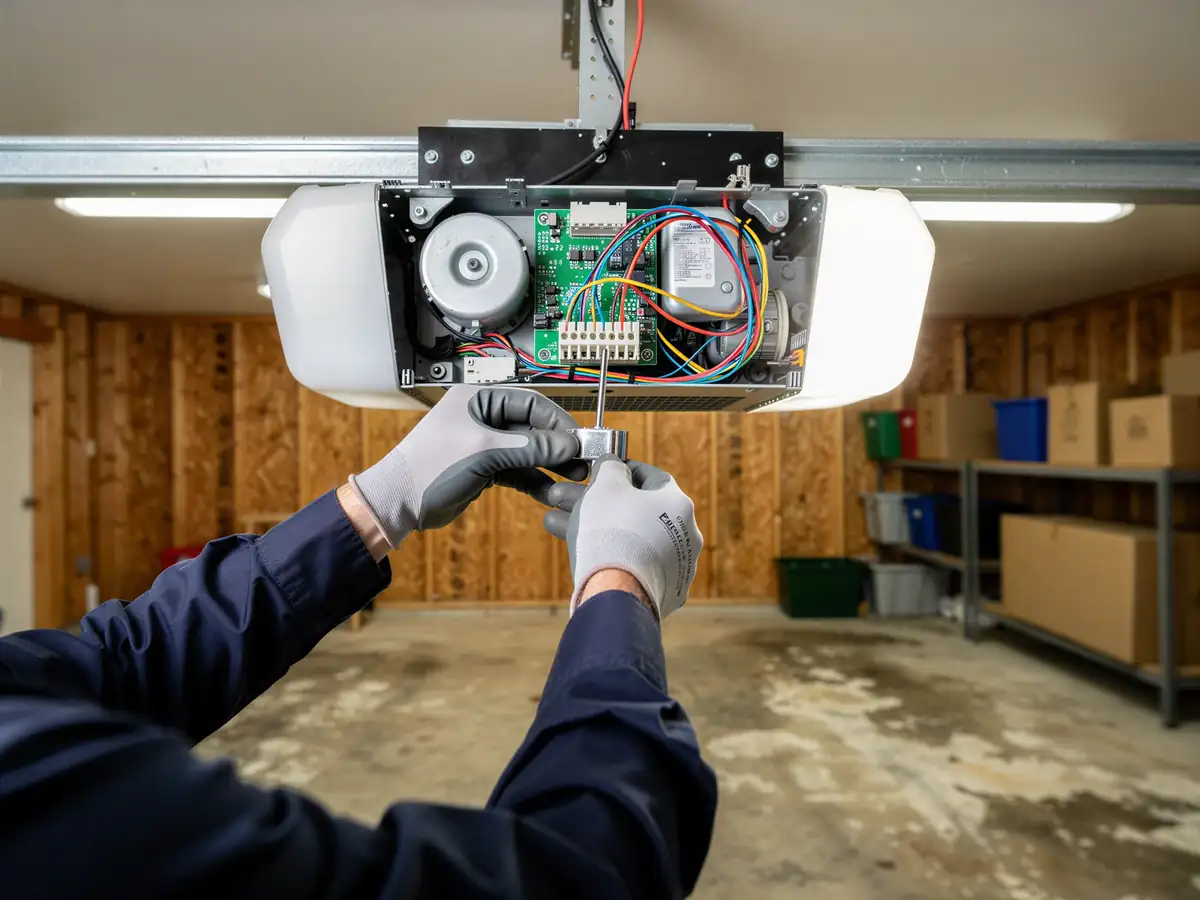
A technician in gloves works on the exposed circuit board of a garage door opener.

Opener Repair

Opener repair for Vancouver, WA area homes built 1977-2011. Mild winters and aging drive gears cause strips, dead sensors, and silent openers that quit.

Learn more
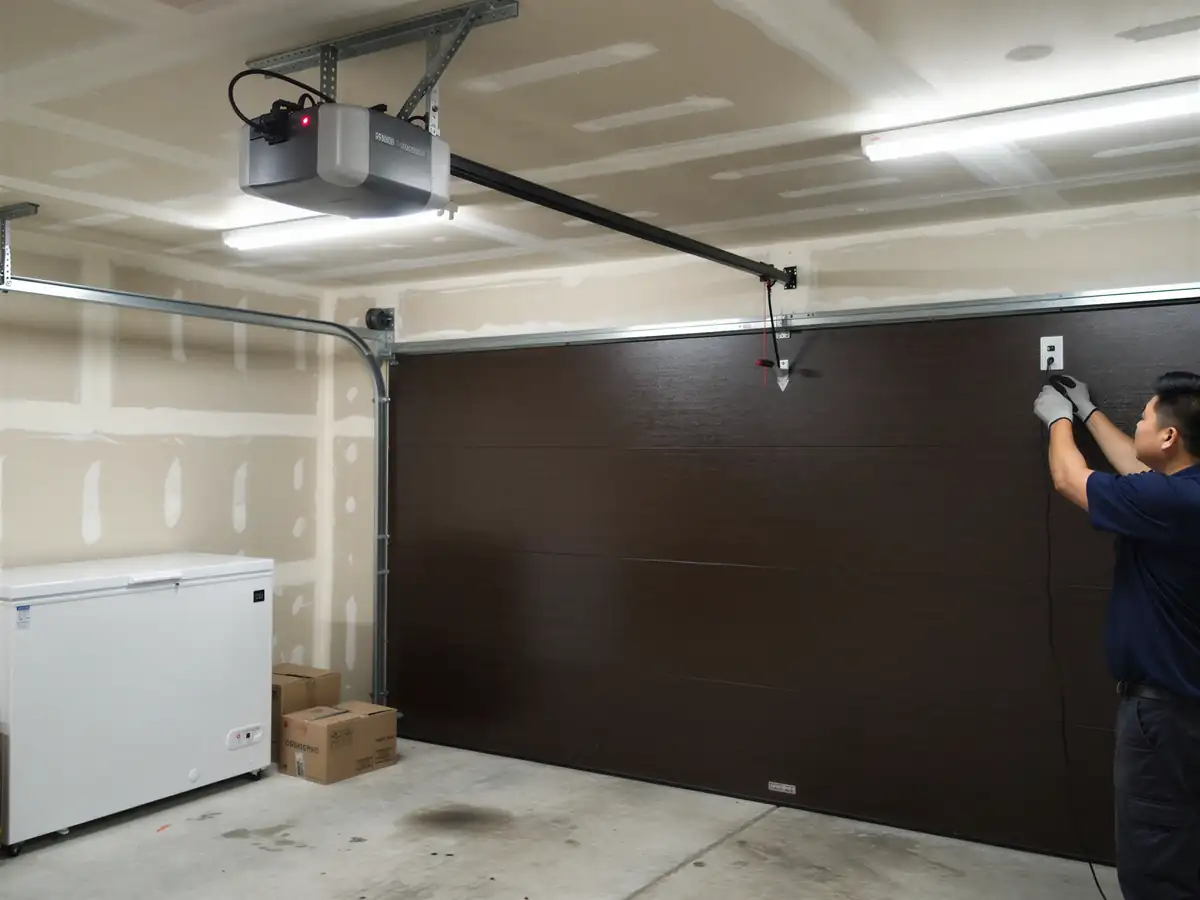
A technician installs a garage door opener control panel on a brown garage door.

Opener Installation

Opener installation for Vancouver, WA houses built 1977-2011 - matching lift type to door weight and mild-freeze climate, with straight talk on what drives the cost.

Learn more
The frayed garage door cable hangs from the bottom of the garage door.

Cable Repair

Broken or frayed garage door cables are common in Vancouver's 1977-2011 housing stock. Same-area service for cable repair and replacement, with an honest look at what drives the job.

Learn more
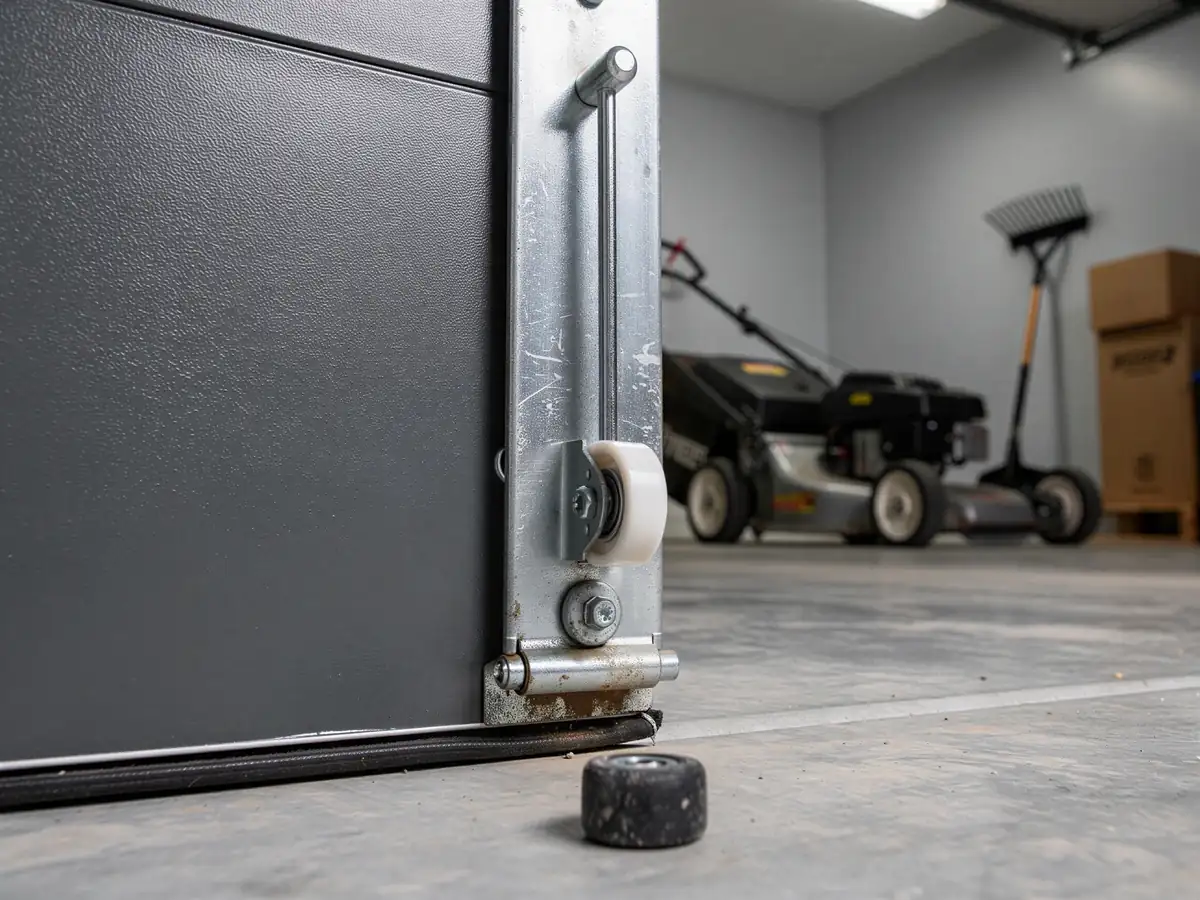
A garage door roller is detached from the track, with a broken wheel on the floor.

Roller Replacement

Worn or cracked rollers on Vancouver, WA homes built 1977-2011 cause grinding and binding. We replace them with steel or nylon rollers sized to your track.

Learn more
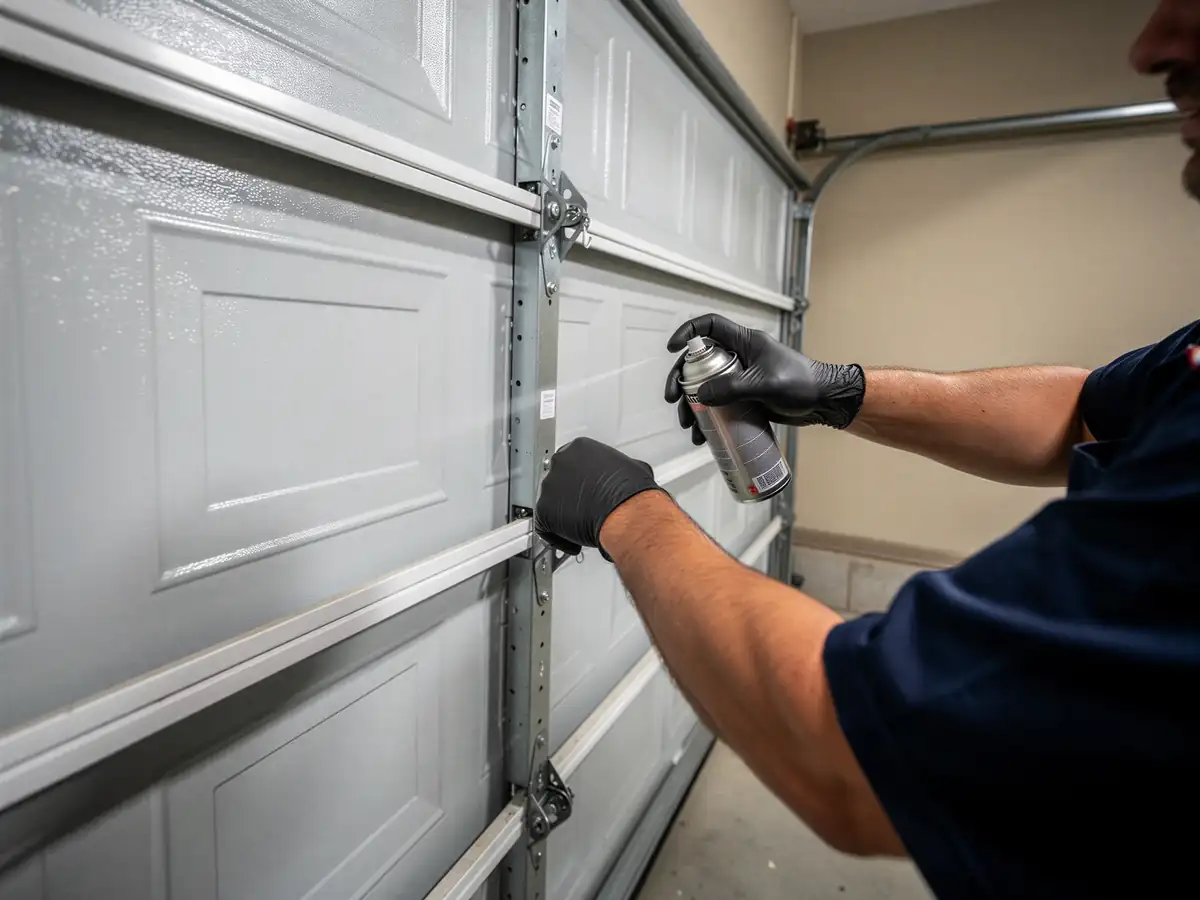
A technician in black gloves sprays lubricant on a gray garage door track.

Maintenance

Garage door maintenance for Vancouver, WA homes built 1977-2011, tuned to the region's mild, freeze-prone winters and aging torsion hardware across the area.

Learn more
Questions

Frequently asked

Straight answers about garage door repair in Vancouver. Still unsure? Ask us directly.

Why does my garage door only act up when it's cold?

Springs and lubricant both stiffen slightly in cold air, and on a door from the 1980s or 90s build era that's common across this area, that stiffness shows up as grinding, hesitation, or an opener that strains harder than usual. It's rarely a sudden break - usually it's wear that's been building and just becomes noticeable on the colder mornings.

Is my door too old to repair?

If your house was built anywhere near the 1994 median for this area, the door and its original hardware are likely 25 to 45 years old. Some parts for older panel styles aren't available anymore, so sometimes replacement is the more honest option rather than another repair on hardware that's already near the end of its service life.

How often should weatherstripping be replaced on an older door?

There's no fixed schedule, but on a door that's seen 20-plus winters in this mild, occasional-freeze climate, the bottom seal has usually hardened and cracked in places even if it looks intact. Check it before the coldest stretch of the year rather than after you've already felt a draft.

Ready to get your garage door sorted?

Tell us what it’s doing and where you are in Vancouver - we’ll take it from there.

Request a QuoteCall