Serving Vancouver, WA & nearby
(360) 244-7926
Vancouver, WA

What We Actually Look At When We Come Out

Vancouver homes mostly date 1977-2011, with 1980s-90s stock common in Hazel Dell, Orchards, and Felida. Here's what a service call checks on doors that age, in this climate.

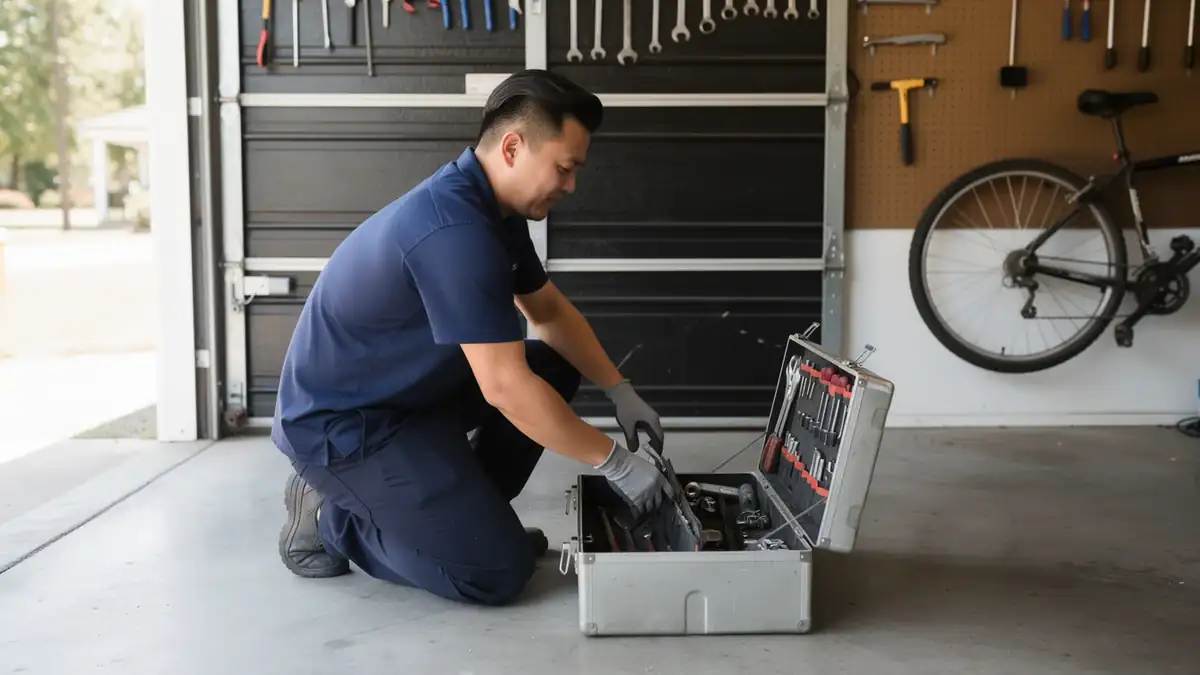
A technician in a blue uniform kneels, reaching into an open toolbox on a concrete floor.

What the Weather Here Does to It

Vancouver sits in a mild band with occasional freeze, not the hard winters you get east of the mountains, but enough cold snaps to matter. A torsion spring that's fine in August can bind up on a 28-degree morning because the metal contracts and the lubricant thickens. We see this most on doors that haven't been serviced in a few years - the spring still has life in it, but the cold exposes slack in the cable drums or a track that's a hair out of plumb. Moisture is the other half of it. We don't get the deep freeze-thaw cycles that crack concrete the way colder regions do, but the damp stretches here are long, and steel sections without a good coat of paint start showing surface rust at the bottom panel first, where splash-back from the driveway hits it. None of this is dramatic. It's slow wear that shows up as a louder door, a slower open, or an opener that strains on cold mornings. A service call in this climate is mostly about catching that wear before it becomes a snapped cable or a stuck panel, not about storm damage, because that's not really what this area throws at a door.

The Situation

Most of the housing stock across the service area went up between 1977 and 2011, with the median build year around 1994. That's a long run of production-grade garage doors and openers - not custom work, builder-grade hardware installed fast during a housing boom. Areas like Hazel Dell, Orchards, and Felida carry a lot of that 1980s-90s stock specifically, which means a lot of chain-drive openers original to the house, steel doors with the thinner gauge panels common to that era, and torsion springs that are now well past their rated cycle count even if they've never technically failed. A service call on a house like this isn't guesswork. We know roughly what we're going to find before we open the panel: worn rollers, a spring sized for a lighter door than what's actually hanging on it, or an opener logic board from a generation that doesn't talk to modern safety sensors. With 54,040 owner-occupied houses in the area, this isn't a rare profile - it's most of the calls we run.

What to Check

On a house built in the late '70s through the '90s, we start with the spring - count the coils, check the wire gauge against the door weight, because builder-grade springs were often undersized even new. Next the cables and drums, since original drums on doors this age are sometimes mismatched to the spring that's been swapped in over the years. We check the track alignment at the point where it bolts to the jamb, because wood jambs from this era shift slightly over a few decades and pull the track with them. The opener gets tested for force settings and reversal - a lot of 1990s chain-drive units predate current safety-sensor standards and were never retrofitted. We also look at the bottom seal and the weatherstripping, since on a mild-climate door that's the part doing the real work against moisture, not insulation against deep cold. What we don't do on every call is replace parts that still have service life left just because they're old - a spring with proper coil count and no visible fatigue stays in the door.

What Changes With the Season

Through the wetter months, the main shift is lubrication and seal condition - tracks that ran dry all summer start squealing once the damp sets in, and a worn bottom seal lets in enough water to warp a wood-composite panel over a season or two. When a freeze does come through, even a short one, we get calls about doors that won't budge in the morning and then work fine by afternoon - that's usually the spring tension pulling tight in the cold, not a broken part, though it's worth checking rather than forcing the opener against it. Summer's quieter here than in climates with real heat, so the main seasonal task is just staying ahead of the rust and keeping hardware lubricated before the wet stretch starts again. None of this requires a different service approach twice a year, but it does mean the same door behaves differently depending on when you call.

How it works

From “it’s stuck” to “it’s fixed”

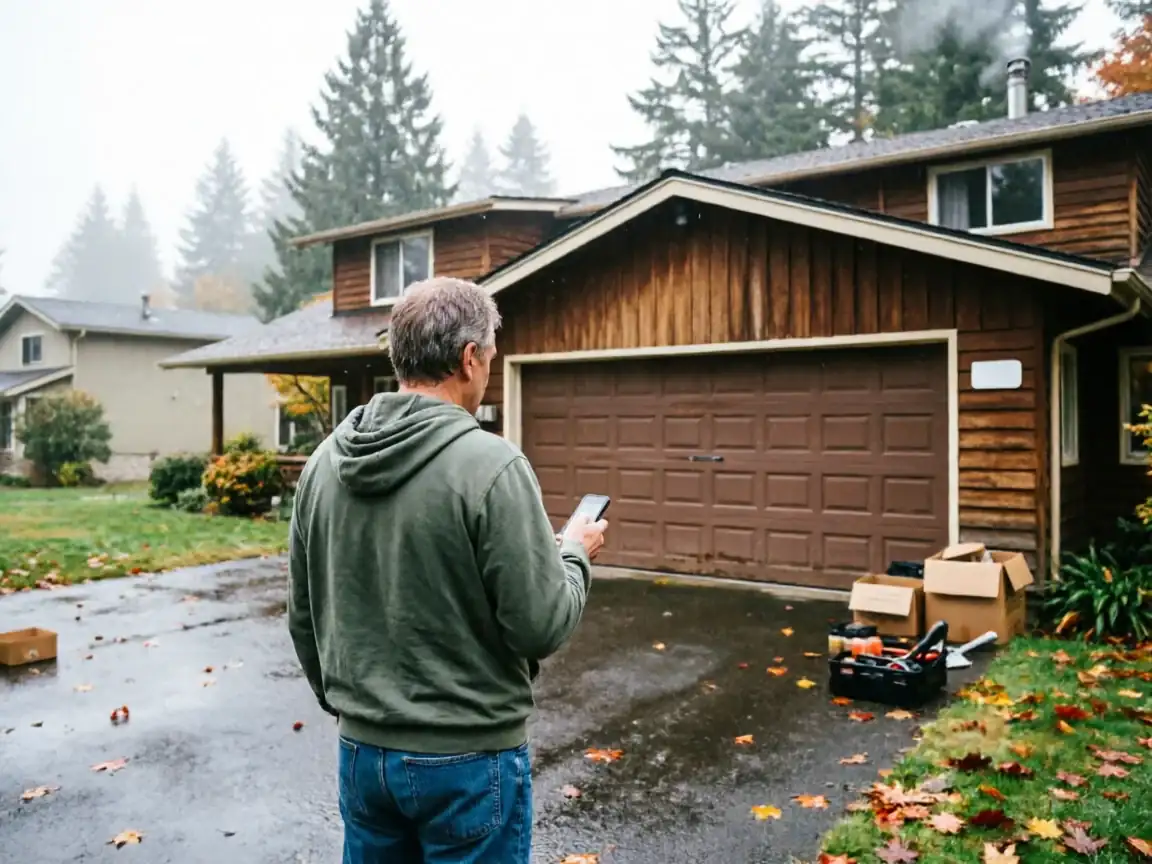
A man stands in a driveway looking at his phone in front of a house.

Tell us what’s wrong

Describe the symptom - won’t open, loud bang, opener runs but the door won’t move.

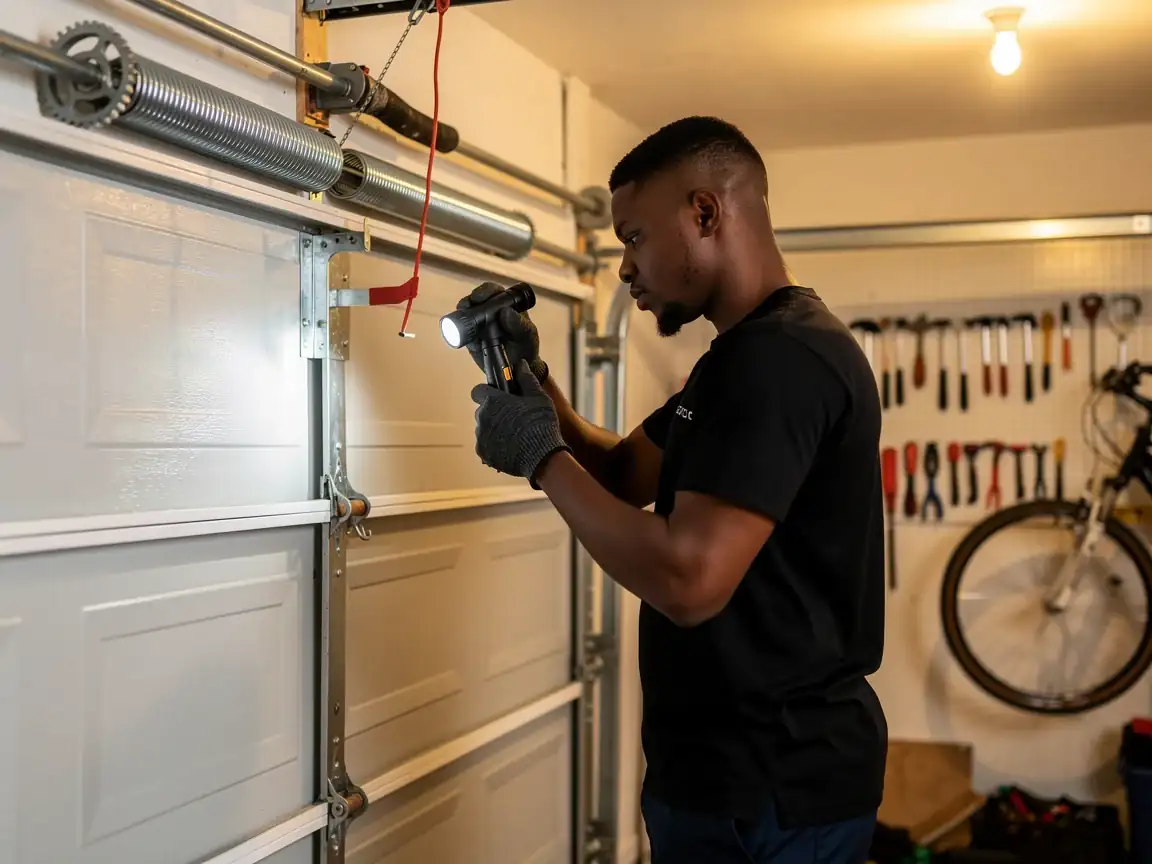
A technician shines a flashlight on the garage door's top panel and roller.

On-site diagnosis

A technician tests the door under power and by hand and finds what actually failed.

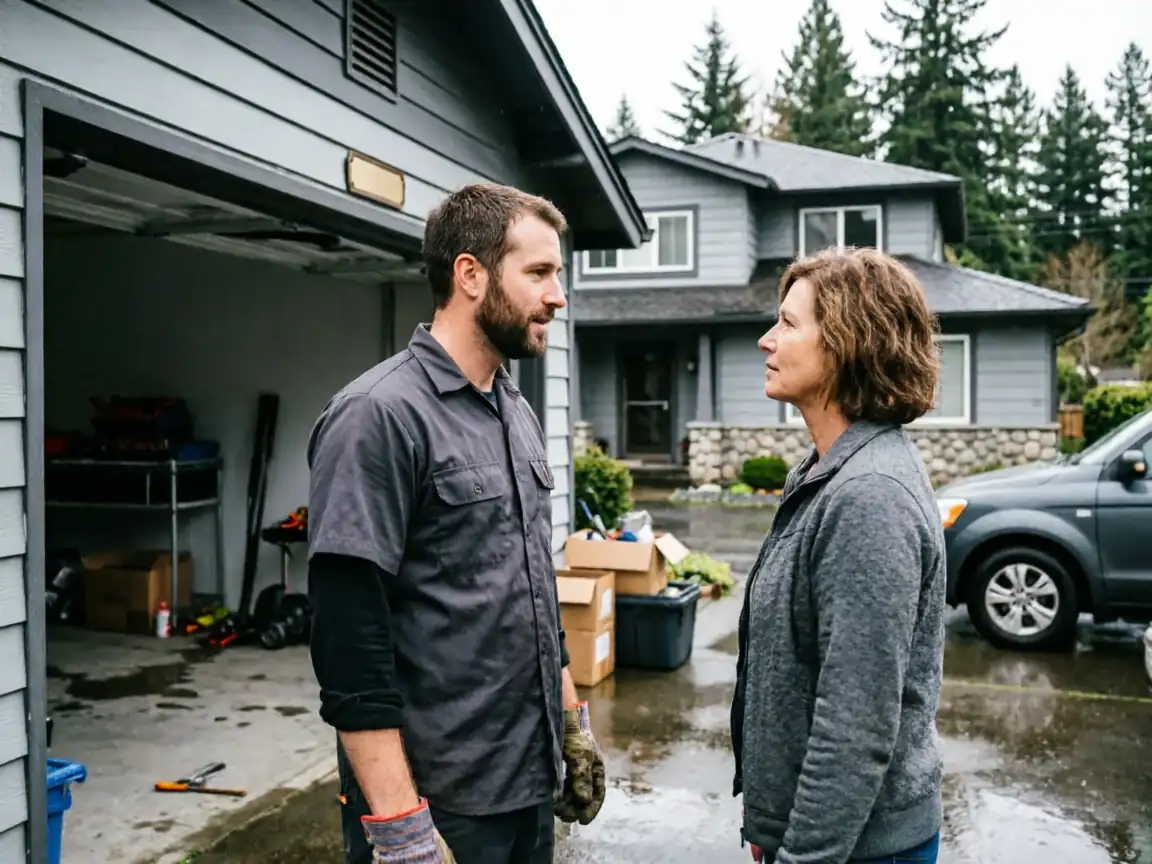
A technician and a woman stand talking in front of a garage and house.

Clear, up-front plan

You get the fix that’s needed and what drives the cost - before any work starts.

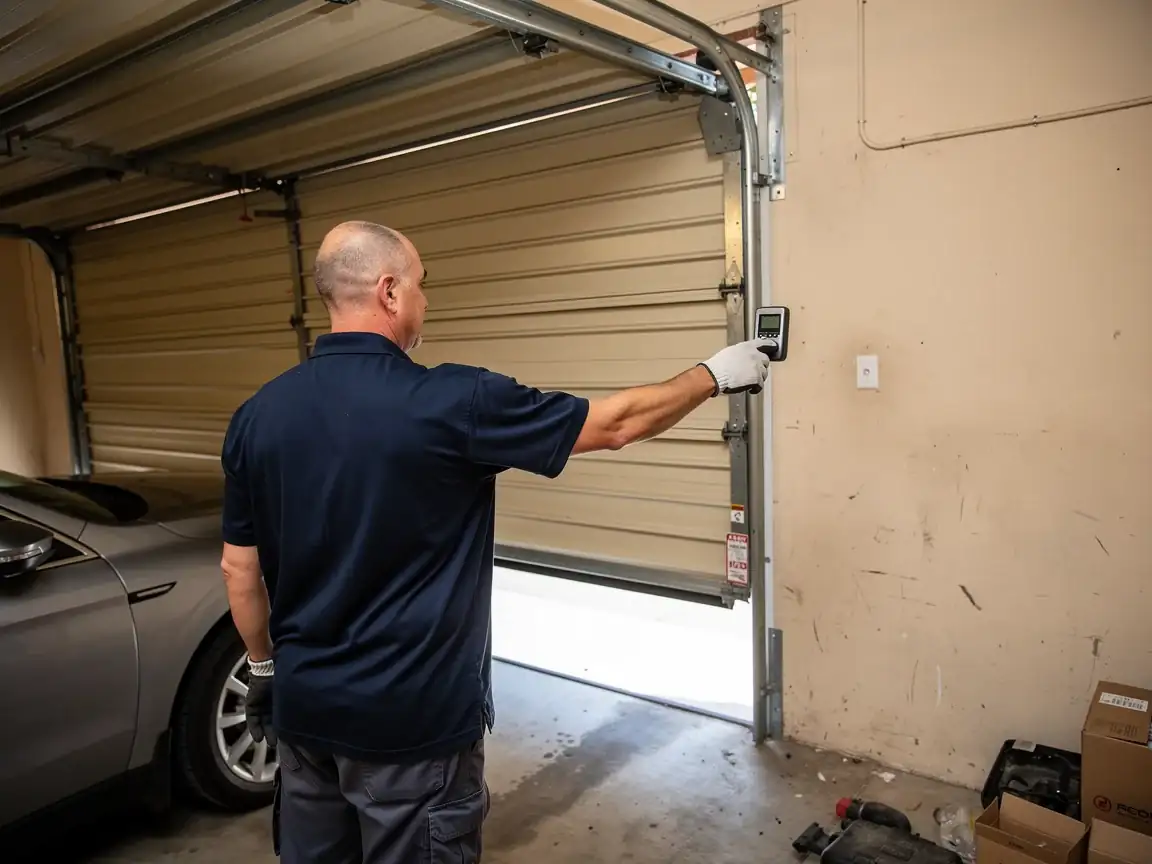
A technician holds a remote control while standing next to an open garage door.

Repaired & tested

The repair is done, the door is set true and tested, and the work area left clean.

Not sure which repair your door needs in Vancouver, WA? Describe what it’s doing - every job starts with a diagnosis.

How we work

What to expect

  • Diagnosis firstEvery visit starts by finding what actually failed - not a pre-written parts list.
  • The right part for the doorSprings and openers matched to the door’s weight and age, so the fix holds up.
  • Straight answersWhen a repair makes more sense than a replacement - or the reverse - you hear it plainly.
  • Clean, careful workTension released safely, hardware set true, the door tested under power before we leave.
What we do

Garage Door Services

Repair and installation work for Vancouver homes and businesses.

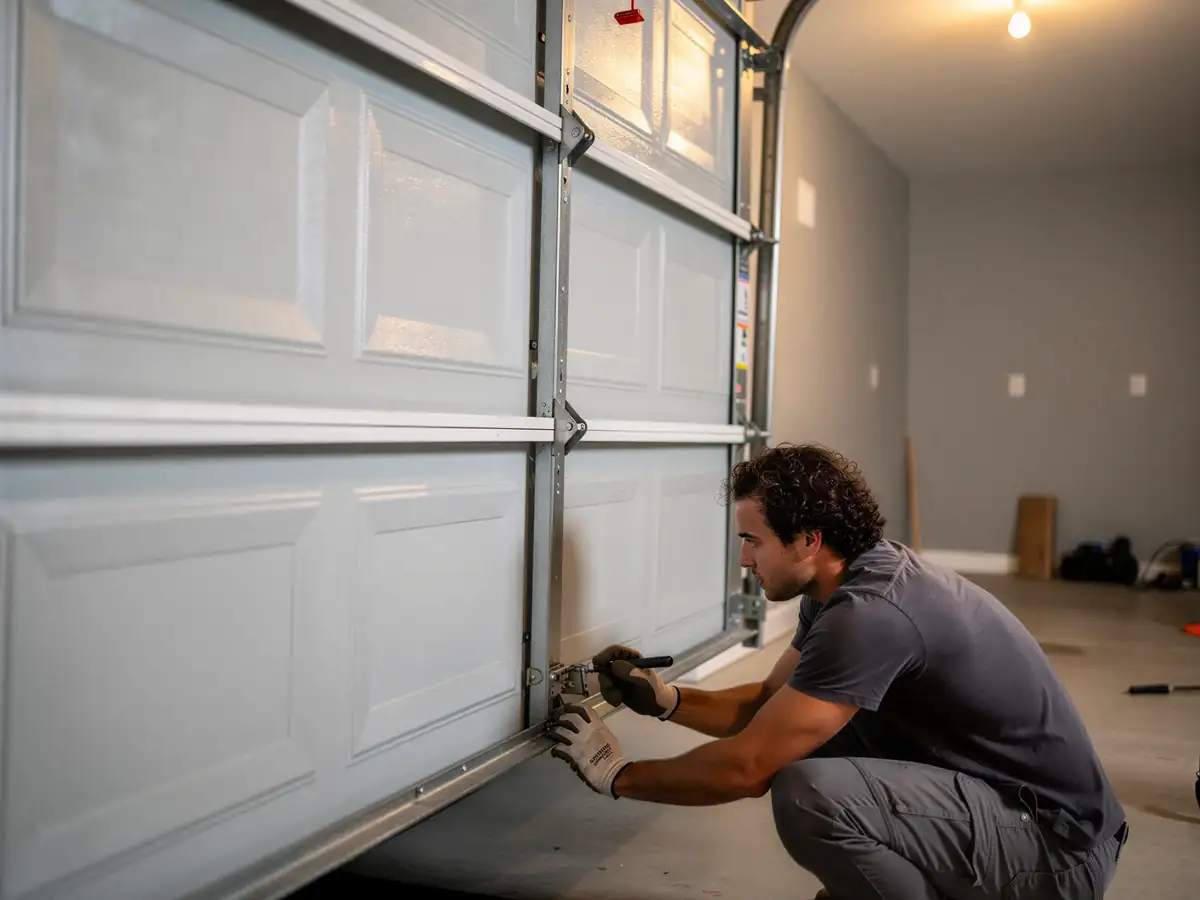
A technician in gloves crouches, working on the bottom panel of a white garage door.

Garage Door Repair

Garage door repair for Vancouver WA homes built from the late 70s through the 2000s. We know why springs and openers from that era fail and what it takes to fix them.

Learn more
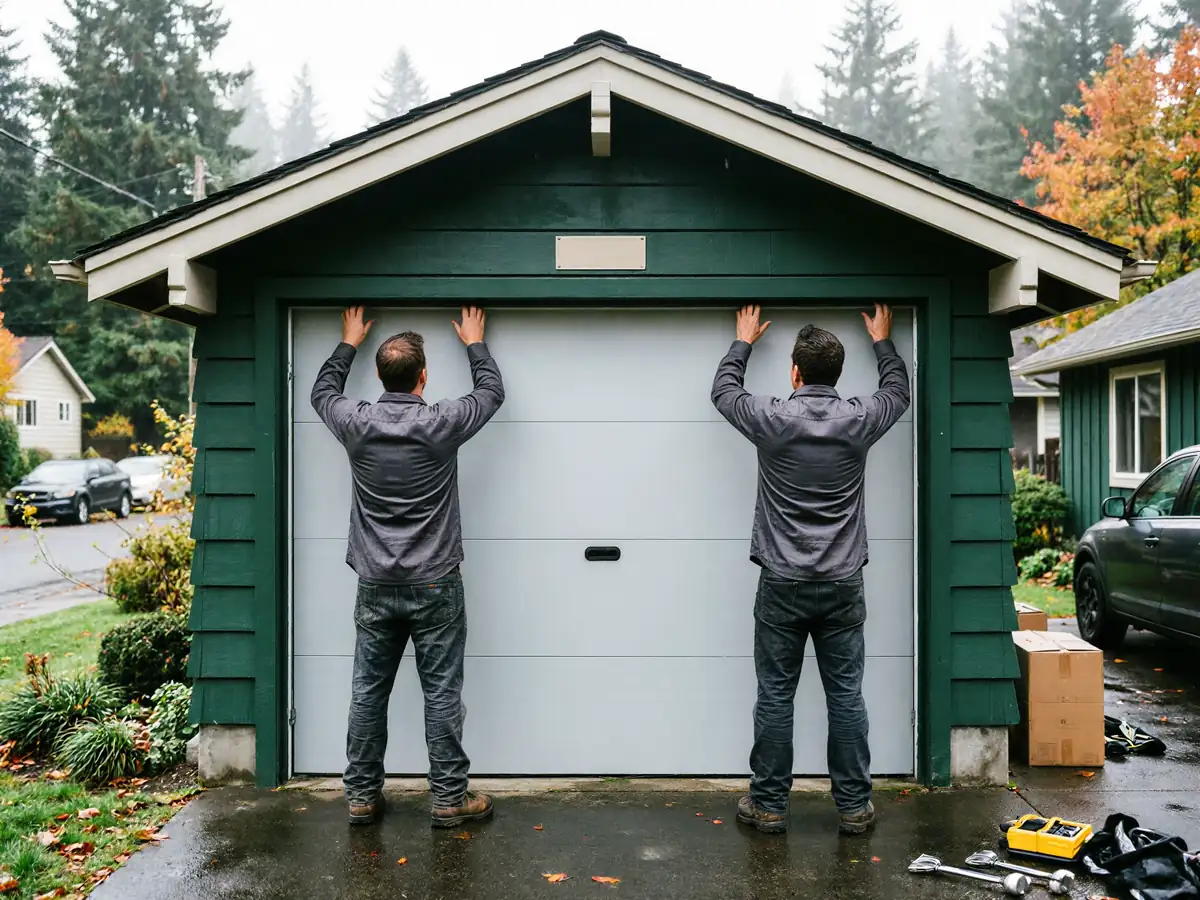
Two technicians install a new white garage door on a green garage.

Garage Door Installation

Most Vancouver homes went up between 1977 and 2011, so a lot of original garage doors are now past their service life. Here's what installation involves and costs here.

Learn more
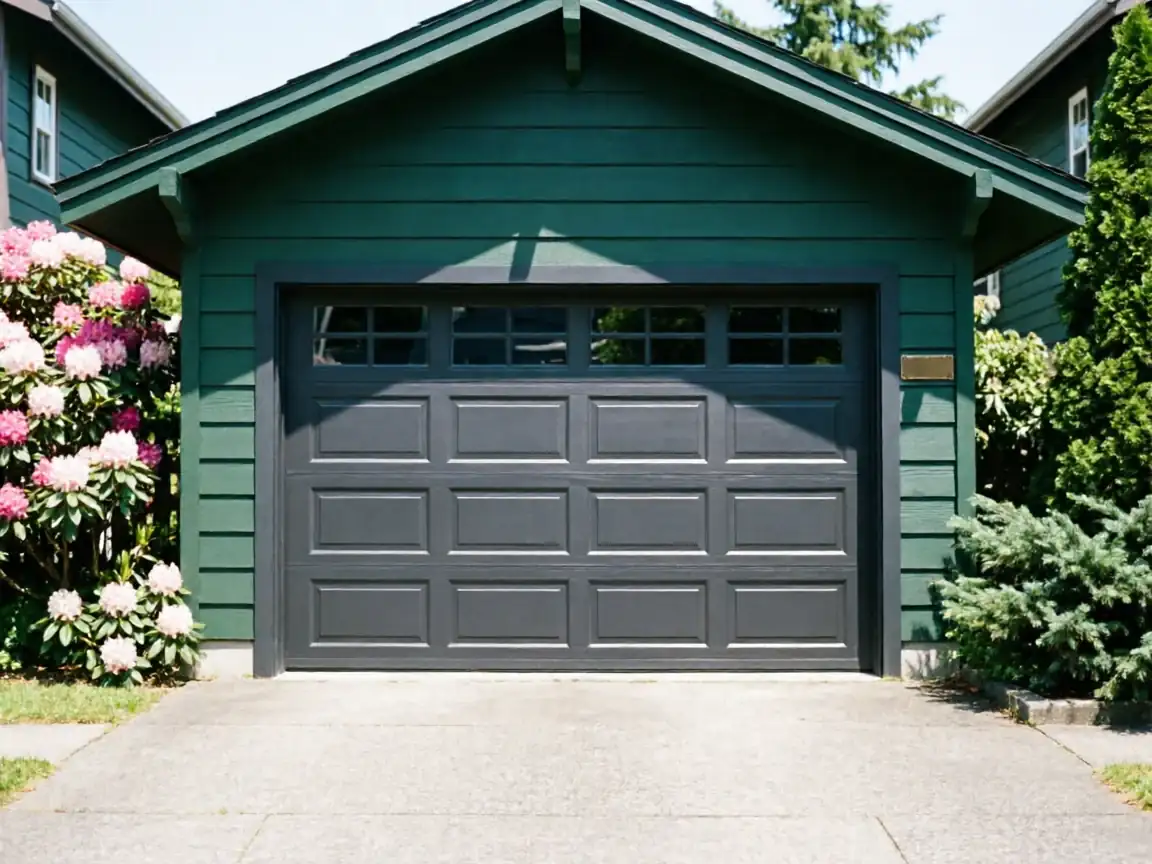
A dark gray garage door with windows on a green garage.

Garage Door Service

Garage door repair and tune-up service for Vancouver, WA homes built mostly in the 1980s and 90s, from Hazel Dell to Felida. Same housing-era problems, handled right.

Learn more
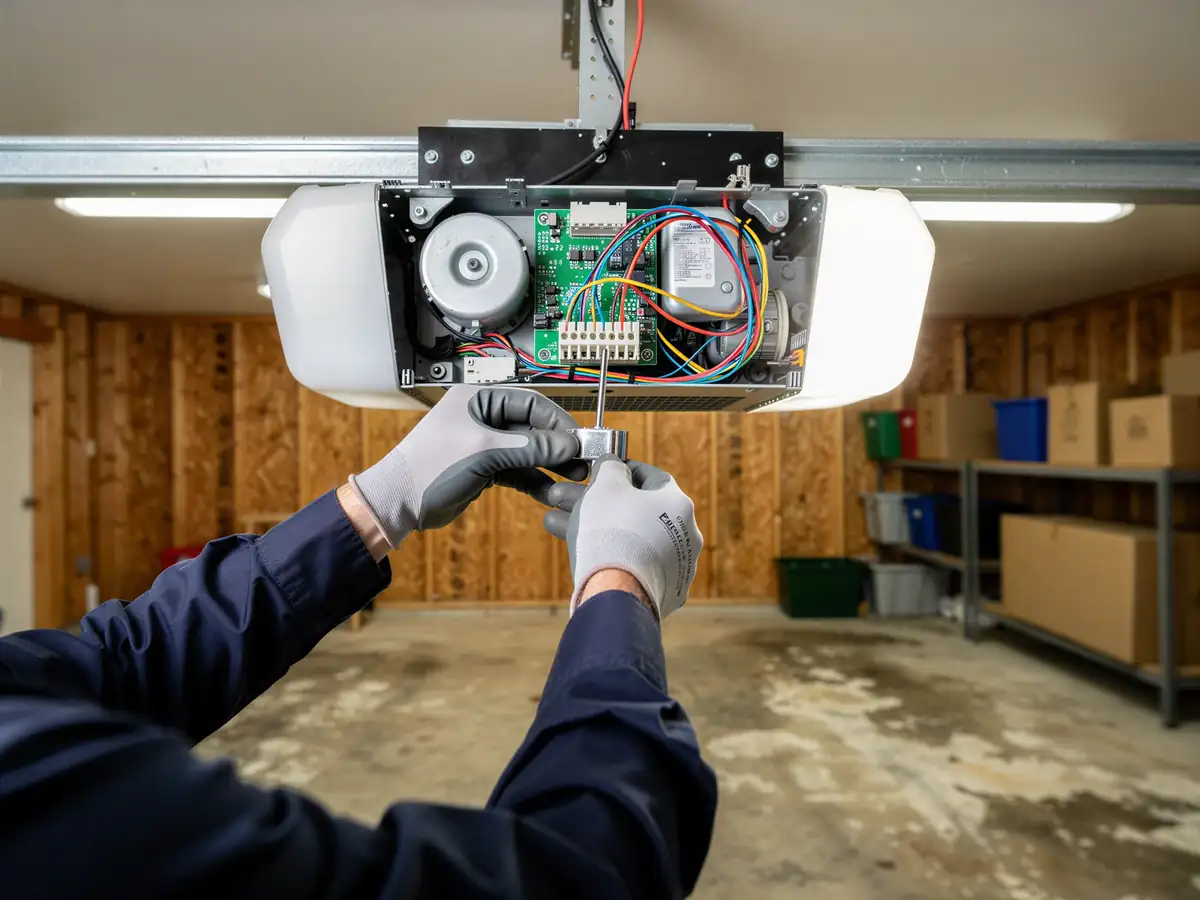
A technician in gloves works on the exposed circuit board of a garage door opener.

Opener Repair

Opener repair for Vancouver, WA area homes built 1977-2011. Mild winters and aging drive gears cause strips, dead sensors, and silent openers that quit.

Learn more
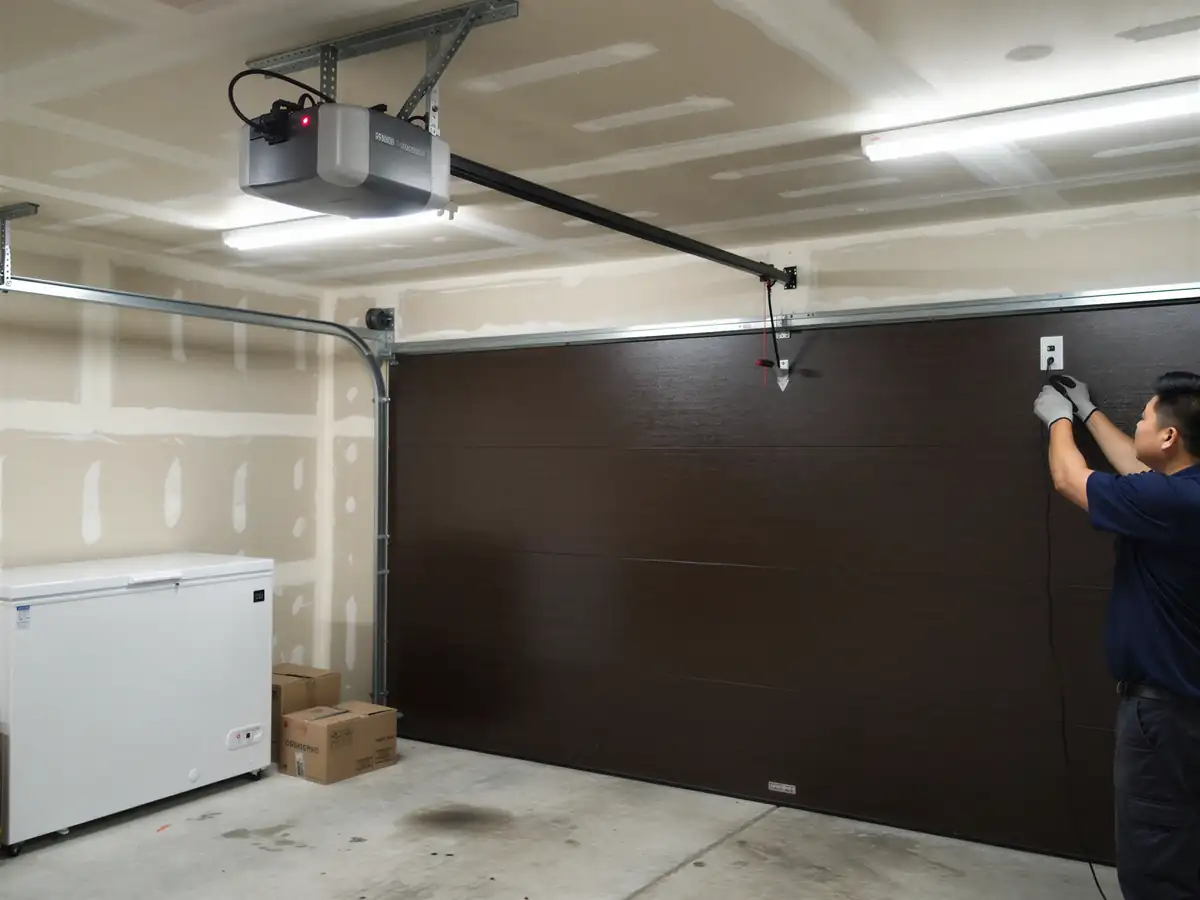
A technician installs a garage door opener control panel on a brown garage door.

Opener Installation

Opener installation for Vancouver, WA houses built 1977-2011 - matching lift type to door weight and mild-freeze climate, with straight talk on what drives the cost.

Learn more
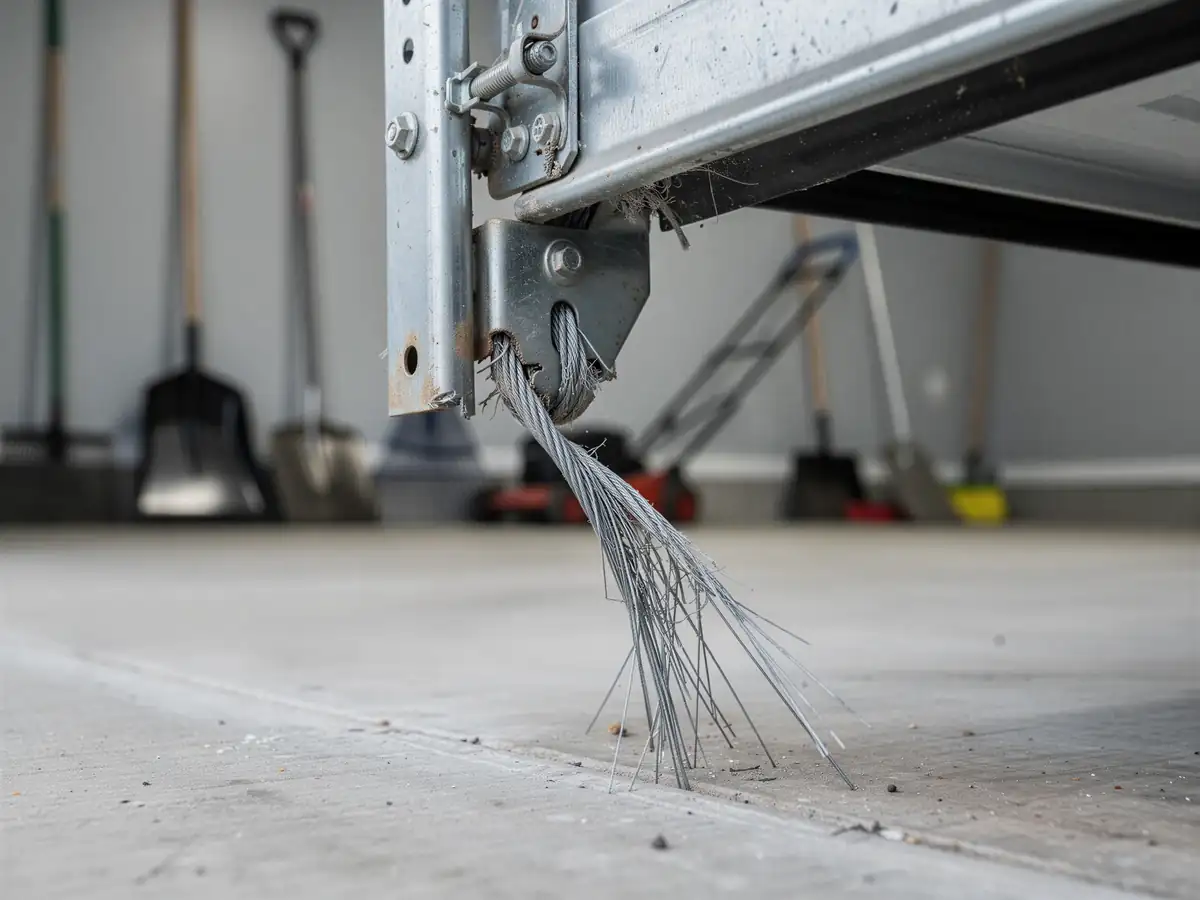
The frayed garage door cable hangs from the bottom of the garage door.

Cable Repair

Broken or frayed garage door cables are common in Vancouver's 1977-2011 housing stock. Same-area service for cable repair and replacement, with an honest look at what drives the job.

Learn more
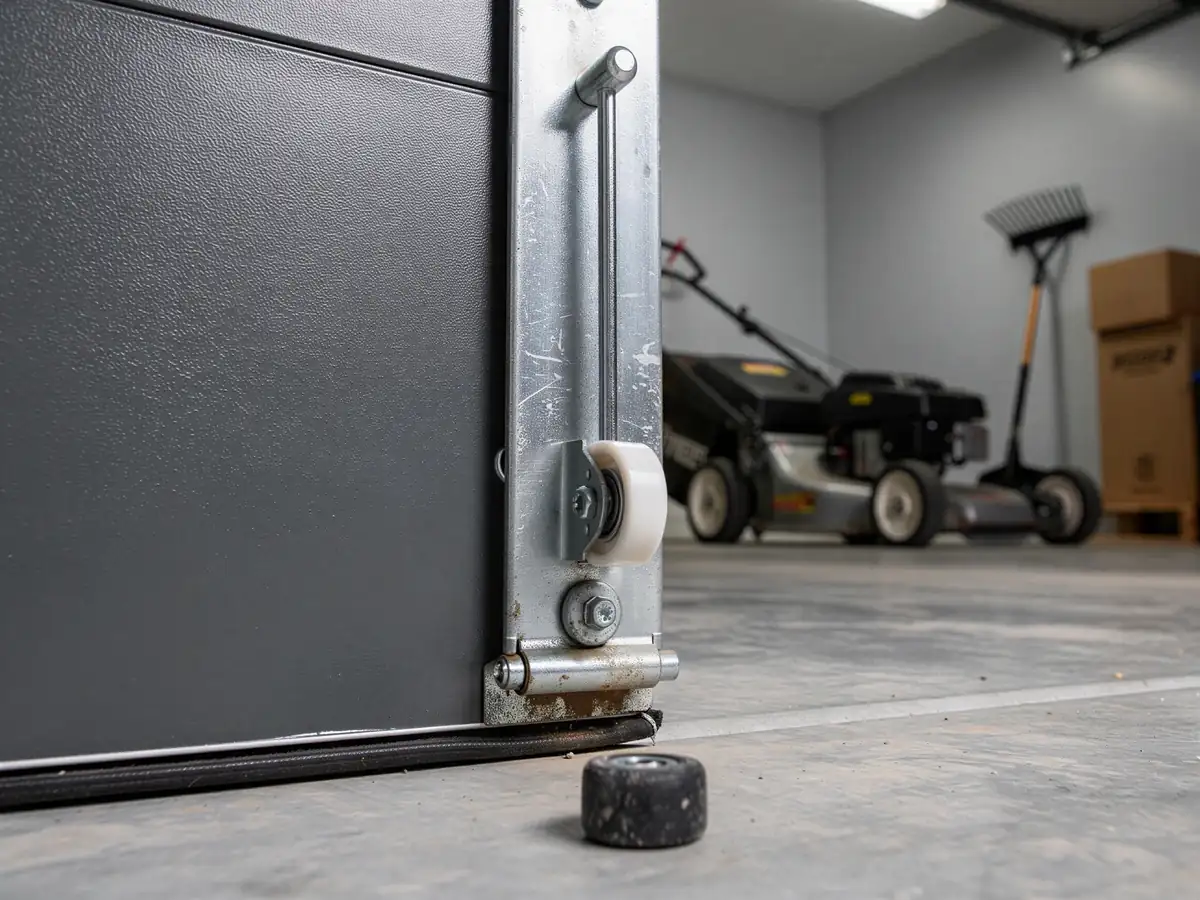
A garage door roller is detached from the track, with a broken wheel on the floor.

Roller Replacement

Worn or cracked rollers on Vancouver, WA homes built 1977-2011 cause grinding and binding. We replace them with steel or nylon rollers sized to your track.

Learn more
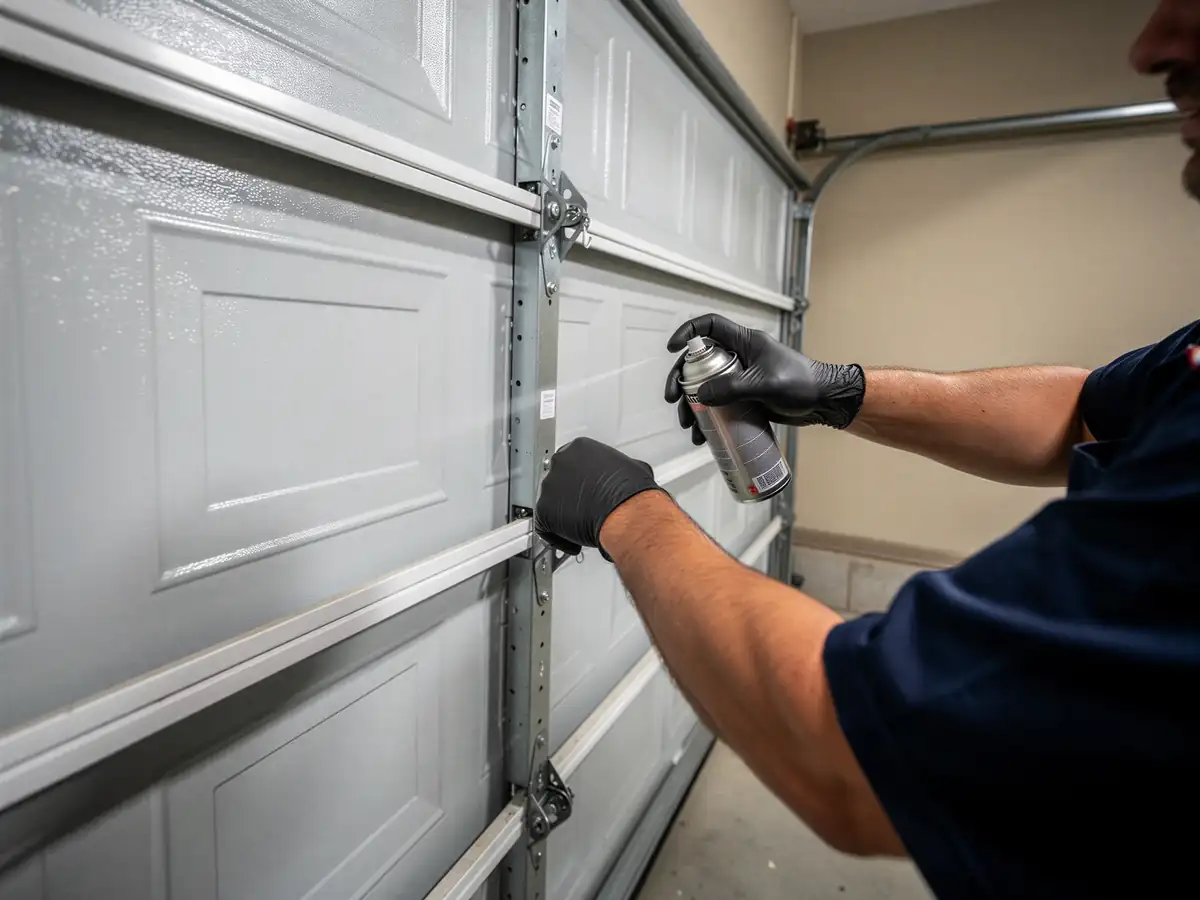
A technician in black gloves sprays lubricant on a gray garage door track.

Maintenance

Garage door maintenance for Vancouver, WA homes built 1977-2011, tuned to the region's mild, freeze-prone winters and aging torsion hardware across the area.

Learn more
Questions

Frequently asked

Straight answers about garage door repair in Vancouver. Still unsure? Ask us directly.

My garage door opener is original to the house from the 90s - should I replace it or just fix it?

Depends on what's wrong. If it's the logic board or safety sensors on a chain-drive unit from that era, repair parts are often harder to source than a new opener, and a modern one gives you updated reversal safety. If it's just a worn drive gear or a sensor alignment issue, repairing is usually the better call.

Why does my door only stick in the morning?

On a mild-climate door, that's almost always spring tension tightening up in cooler air overnight, not a broken part. It usually loosens as the day warms. Worth a check if it happens often, since it can also point to a spring that's slightly undersized for the door.

Is rust on the bottom panel something to worry about?

If it's surface rust from splash-back, it's cosmetic and we can treat it. If it's eaten through the gauge of the steel, the panel's structural integrity is compromised and that section needs replacing rather than patching.

Ready to get your garage door sorted?

Tell us what it’s doing and where you are in Vancouver - we’ll take it from there.

Request a QuoteCall