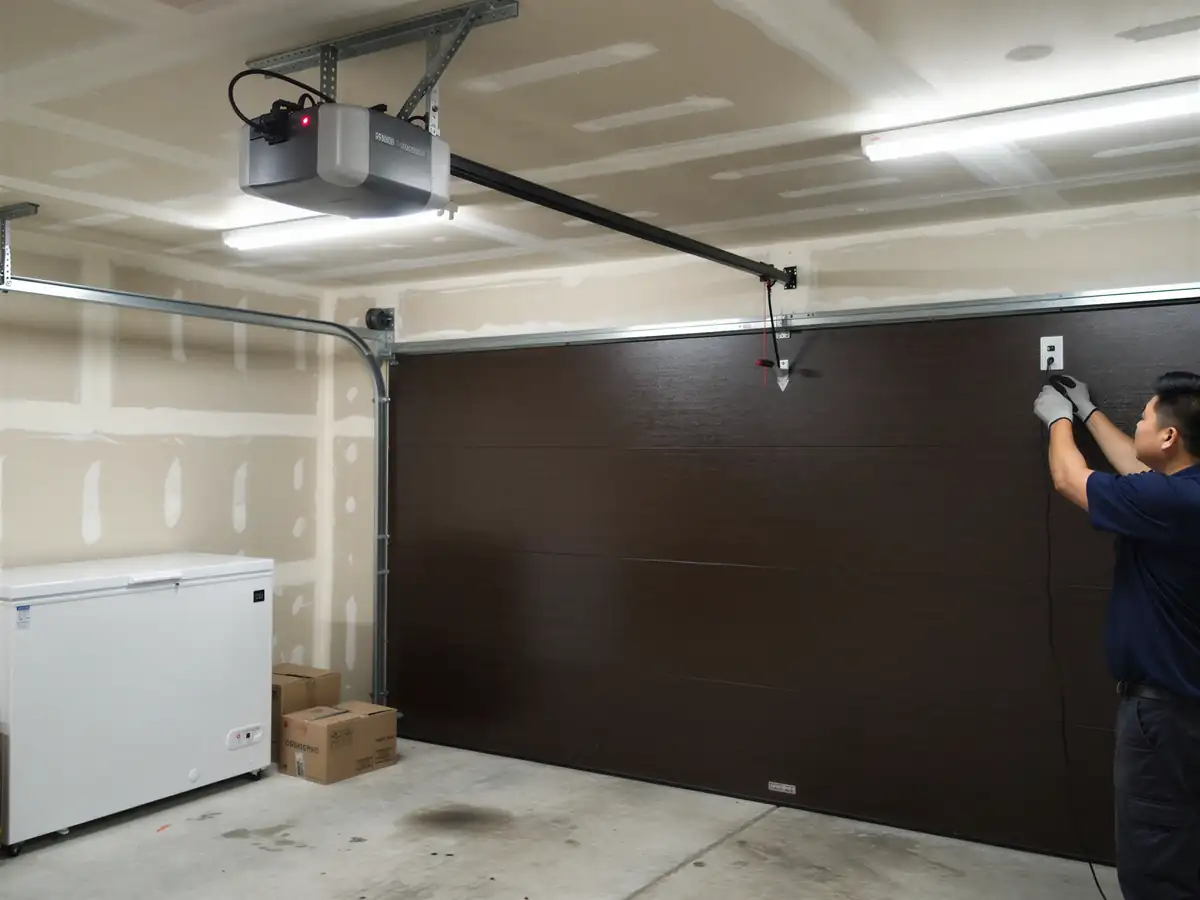
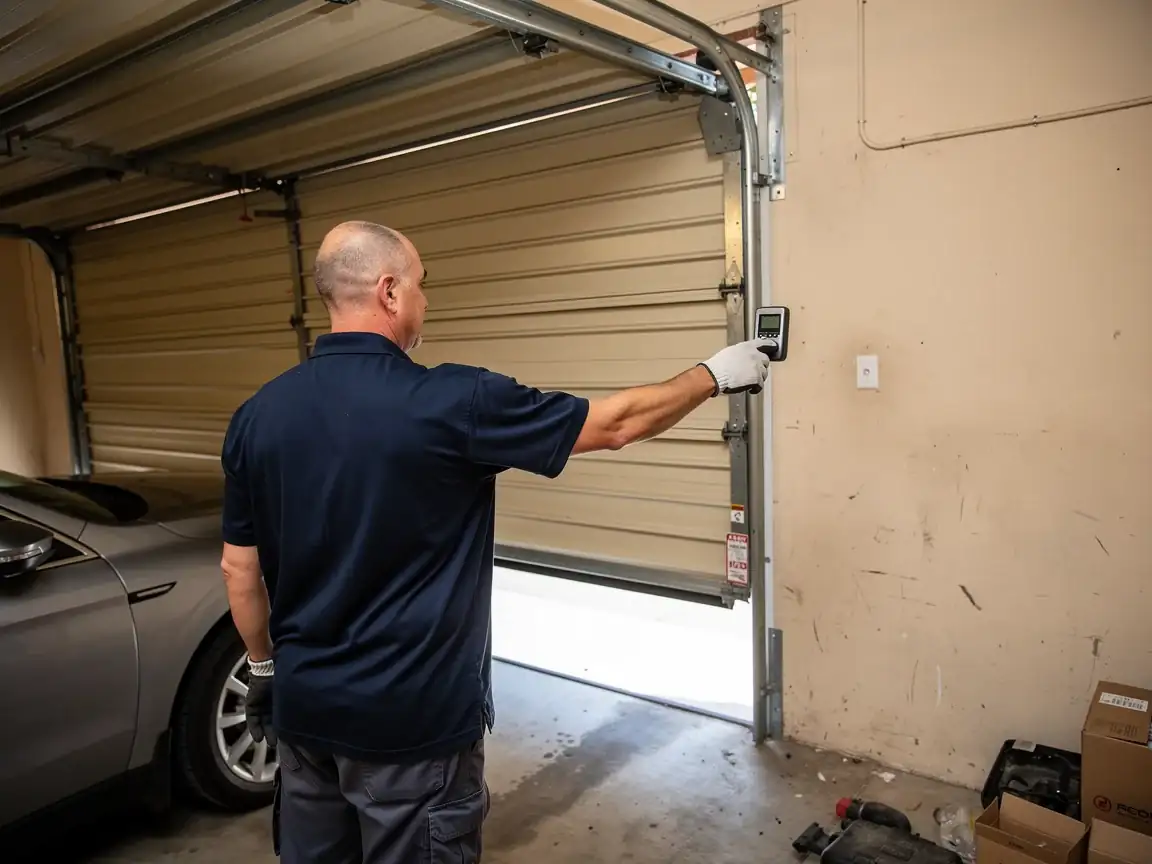
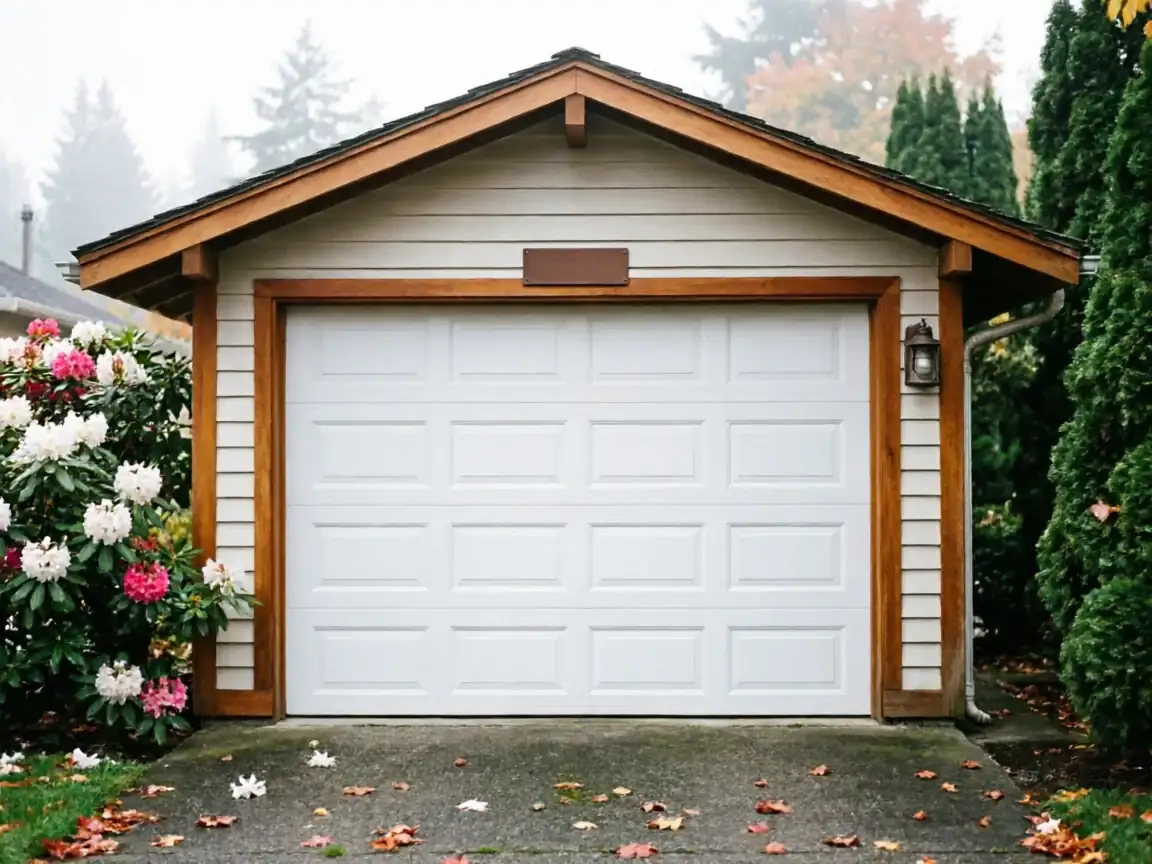
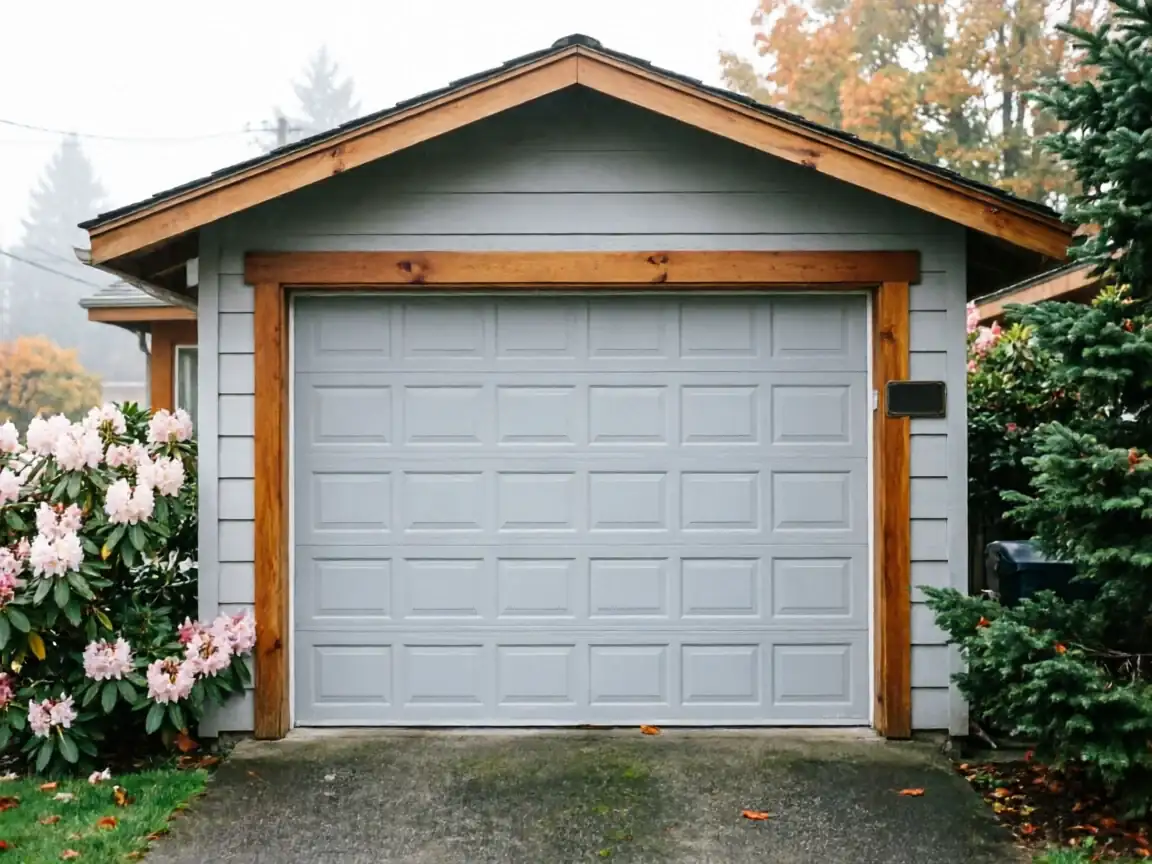
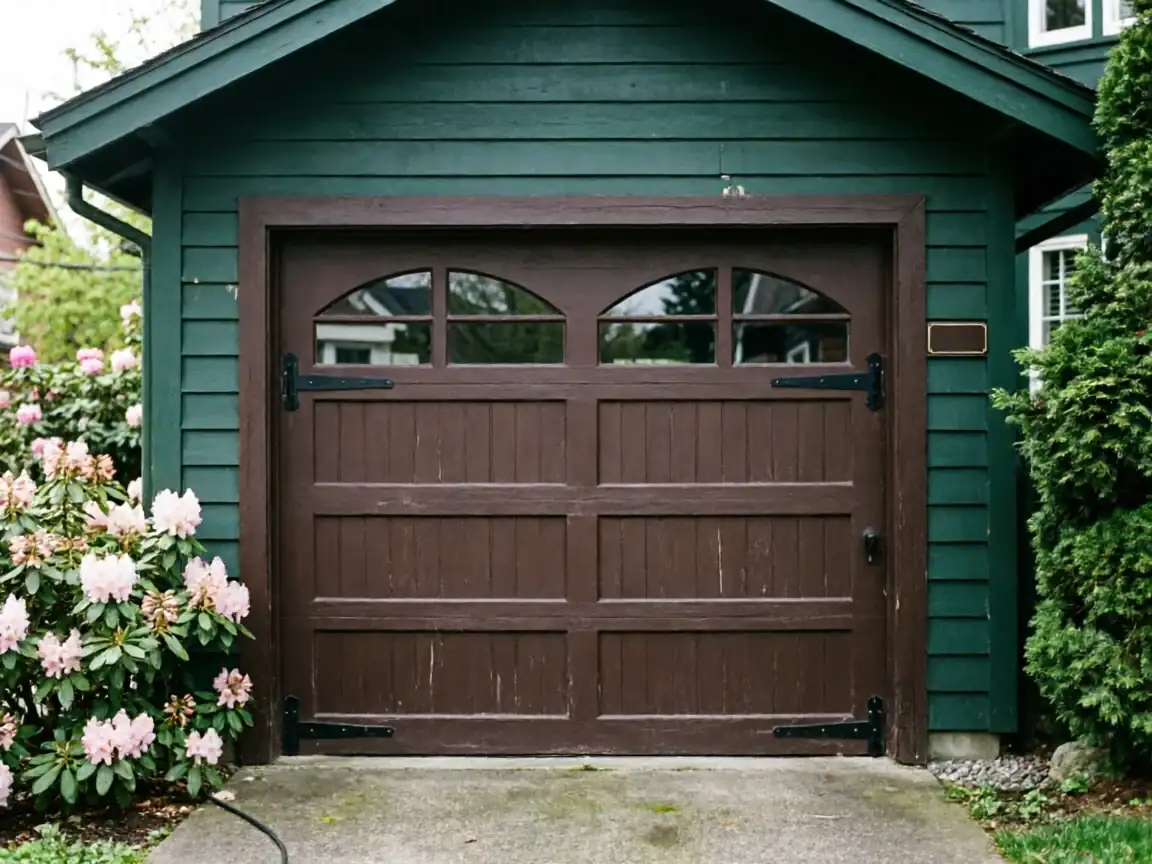
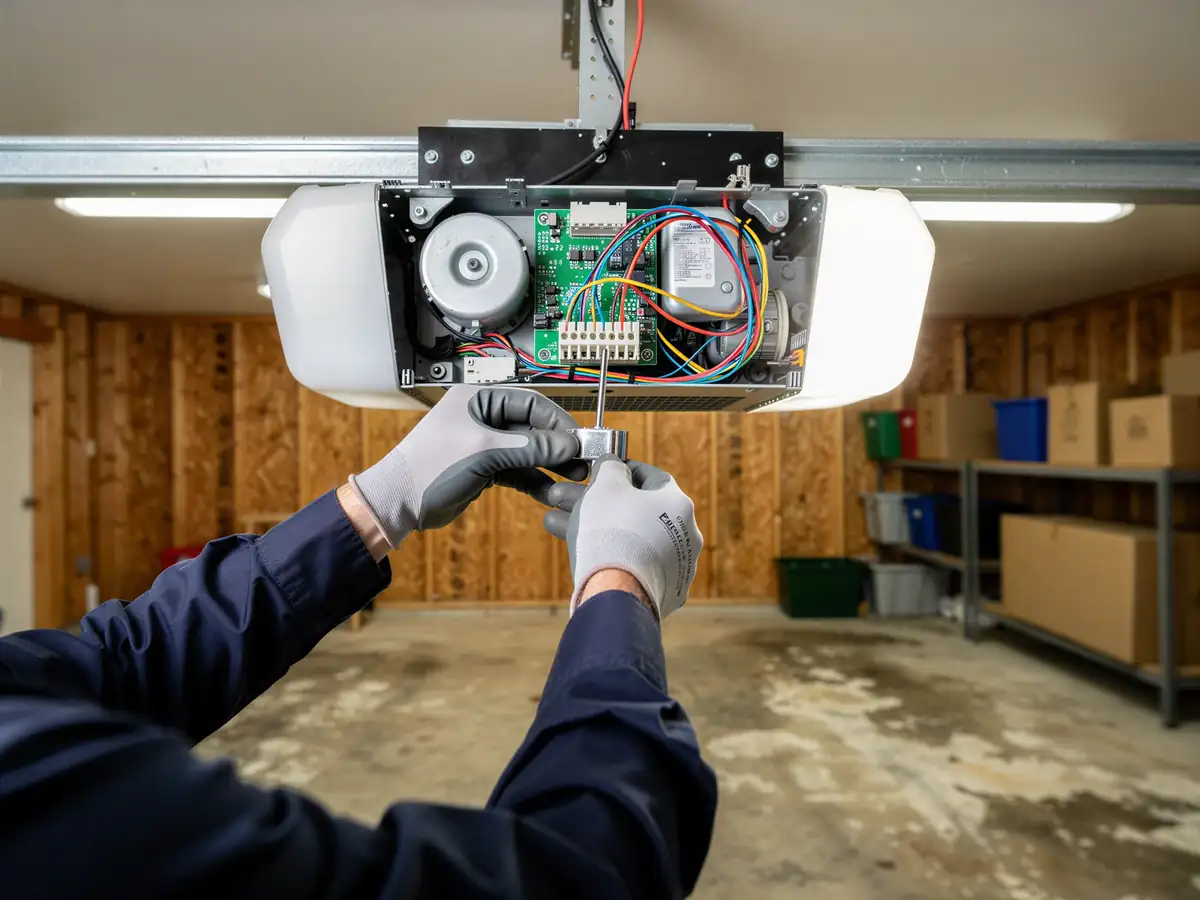
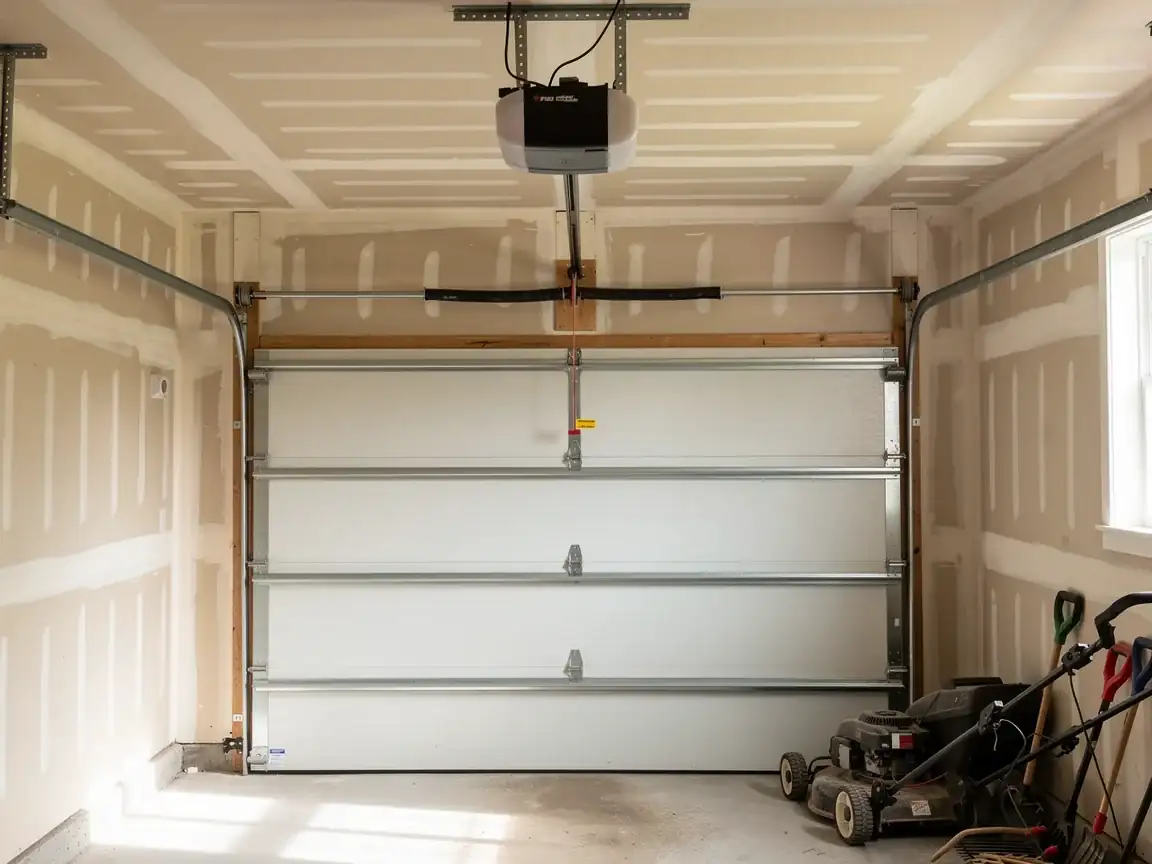
Most houses across this service area went up between 1977 and 2011, with the bulk of the stock dating to the 1980s and 90s. That matters for openers more than people think. Chain-drive units from that era were sized for the doors builders put in at the time - often lighter panels than what's sold now. When a homeowner swaps in a heavier insulated steel or wood-look door later and keeps the original opener, or has a contractor reuse it, the motor runs undersized for the new load. You get slow travel, grinding on the rail, or a unit that trips its gear long before it should.
The climate here is mild with occasional freeze, not the deep-freeze swings some regions see. That's good news for openers generally - less thermal stress on plastic drive gears and circuit boards than in harsher climates - but a hard freeze a few times a winter is still enough to stiffen old lubricant in a worn drive screw or gum up a tired logic board that was already near end of life. It's rarely one dramatic failure. It's a 25-year-old opener meeting a slightly heavier door and a cold snap at the same time.
Across the 22 named communities in this service area, the pattern repeats: homes old enough that the original opener has aged out, but not so old that the door itself needs replacing - just the motor.