Serving Vancouver, WA & nearby
(360) 244-7926
Vancouver, WA

What the Weather Here Actually Does to Your Door

How Vancouver's mild, some-freeze climate and 1977-2011 housing stock affect garage door seals, springs, and tracks, with what to check each season.

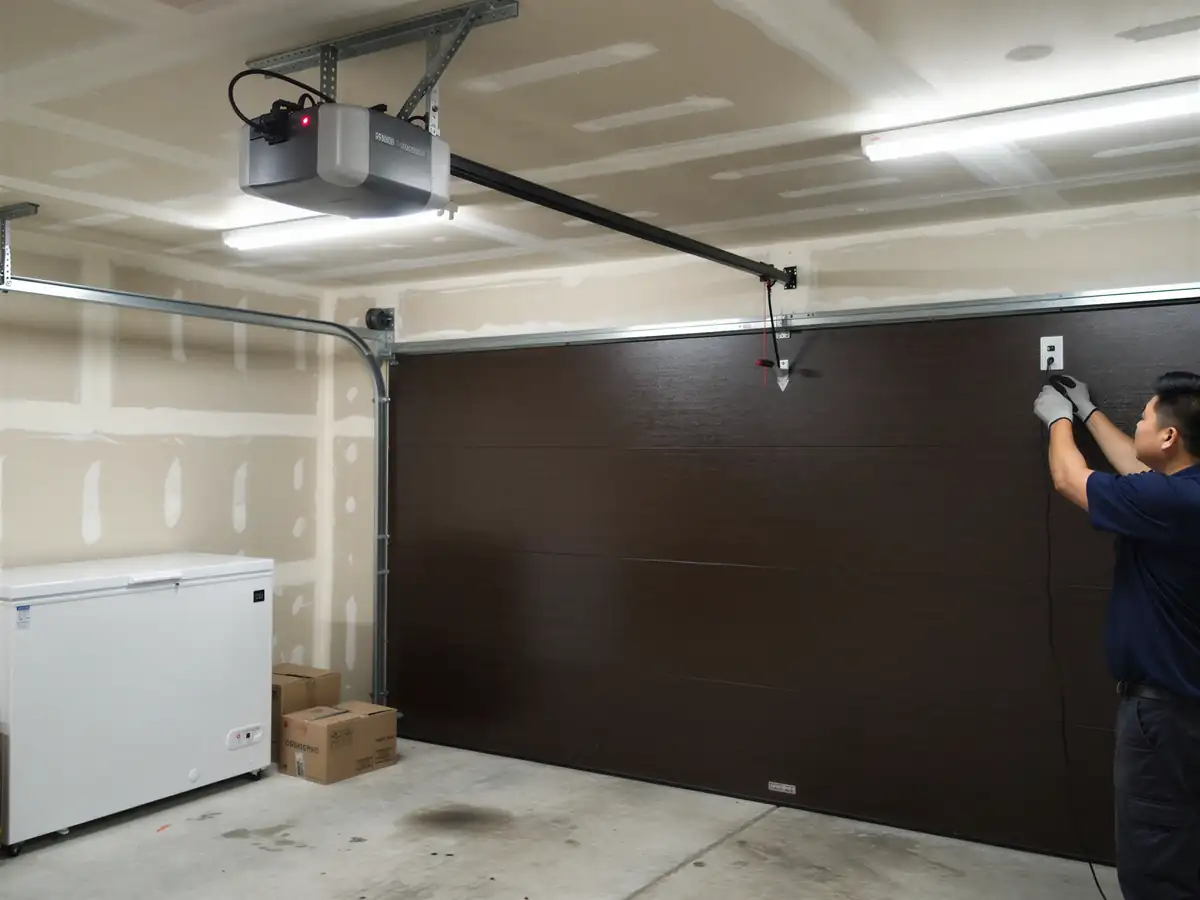
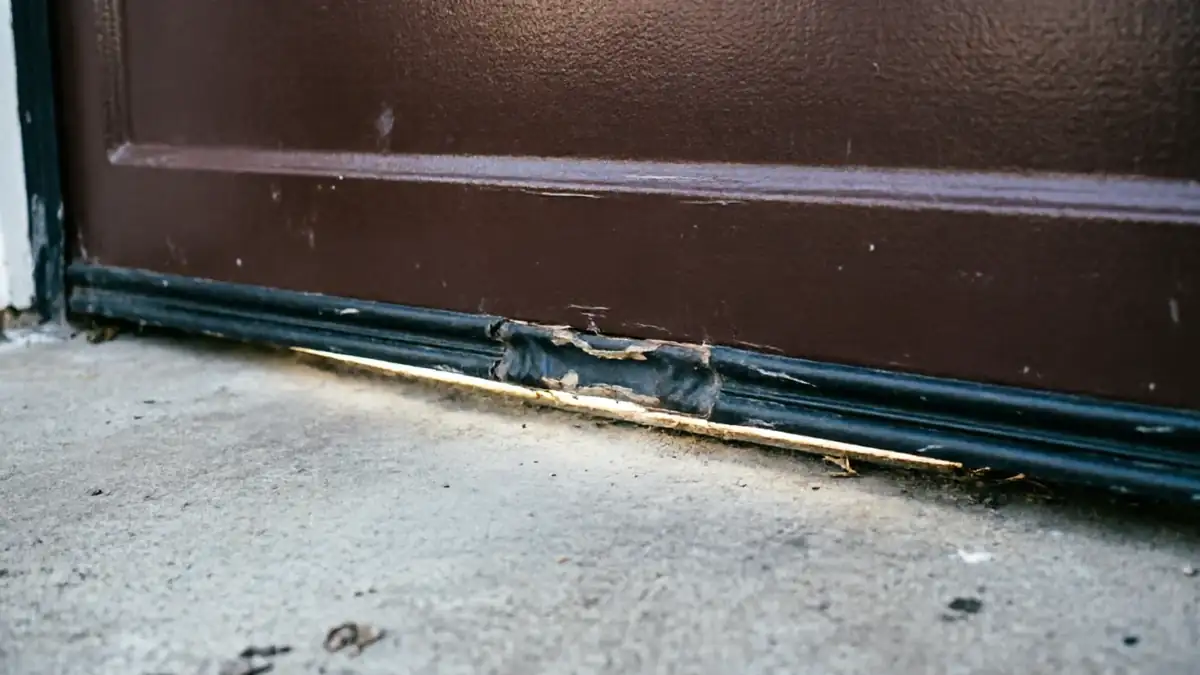
The bottom of a brown garage door has a damaged weather seal.

What the Weather Here Does to It

Vancouver sits in a mild climate band with occasional freeze nights, not the deep-freeze winters you get further inland or the damp-rot extremes of a true coastal town. That combination matters more than people think. The door itself rarely fails from cold the way it would in Minnesota, but the swing between a wet 40-degree morning and a dry 60-degree afternoon works on rubber and vinyl seals constantly. Bottom seals and weather seals harden and shrink a little every cycle, and once they're stiff they stop filling the gap under the door, which is where the draughts start. You feel it as a cold line of air across the garage floor, not a blast - that's the tell. Metal doesn't love this swing either. Steel panels and track hardware pick up condensation on cool mornings, and if a garage isn't heated or vented, that moisture sits on the rail and the spring coils longer than it would in a drier climate. It's not dramatic rust, usually just a dulling and stiffening you notice as the opener working a little harder than it used to.

The Situation

Most of the housing stock in this service area went up between 1977 and 2011, with the median build year around 1994, and the bulk of it across the 22 named areas we cover - Minnehaha, Hazel Dell, Orchards, Felida, Salmon Creek, and the rest - is 1980s and 90s construction. That matters for garage doors because it tells you what's actually hanging on the hinges. A house built in 1994 almost certainly has a torsion-spring setup on a steel sectional door, not the older extension-spring doors you'd find in a pre-1960 neighborhood. The hardware is more standardized, parts are easier to source, and the failure points are predictable: seals, rollers, and the spring itself, in roughly that order of how often we see them. What you won't find much of here is the oddball older gear that turns a simple fix into a hunt for a part nobody stocks. That's a quiet advantage of a housing stock this age - repairs tend to be straightforward because the doors and openers were built to a more consistent standard than what came before them.

What to Check

Start at the bottom. Press a thumb along the bottom seal - if it's stiff, cracked, or doesn't spring back, that's your draught source, not a mystery air leak somewhere else. Next, run a hand along the side weather seals where the door meets the frame; in a climate with this much temperature swing, these degrade before almost anything else on the door. Check the torsion spring for visible rust or flat spots in the coil, especially if the garage isn't heated - condensation from the swing between damp mornings and dry afternoons settles there first. Listen to the opener on a cold morning versus a warm afternoon; if it strains noticeably more in the cold, the spring is likely compensating for stiff seals or a track that's picked up grit from winter moisture. One honest limitation: we don't recommend trying to re-tension a torsion spring yourself. It's one of the few jobs on a garage door that can put someone in the hospital, and it's not worth the risk to save a service call.

What Changes With the Season

Through the wetter, cooler months, the priority is the seal and the track - moisture works into both, and a door that drags on a dirty track in December will drag worse by February. In the drier summer stretch, the seals shrink back the other way, and that's when gaps under the door widen enough to let in actual draughts rather than just cold air. If you're in one of the closer-in areas like Minnehaha, Five Corners, or Hazel Dell, the swing between seasons tends to hit older rubber seals the hardest, since a lot of that stock sits toward the earlier end of the 1977-2011 build range. Further out toward Brush Prairie or Mount Vista, newer builds mean newer seals, but the same freeze-thaw cycling still happens - it just has less material to work on yet. Either way, a seal check twice a year, once before the wet season and once after, catches most of what causes the draughts people call about.

How it works

From “it’s stuck” to “it’s fixed”

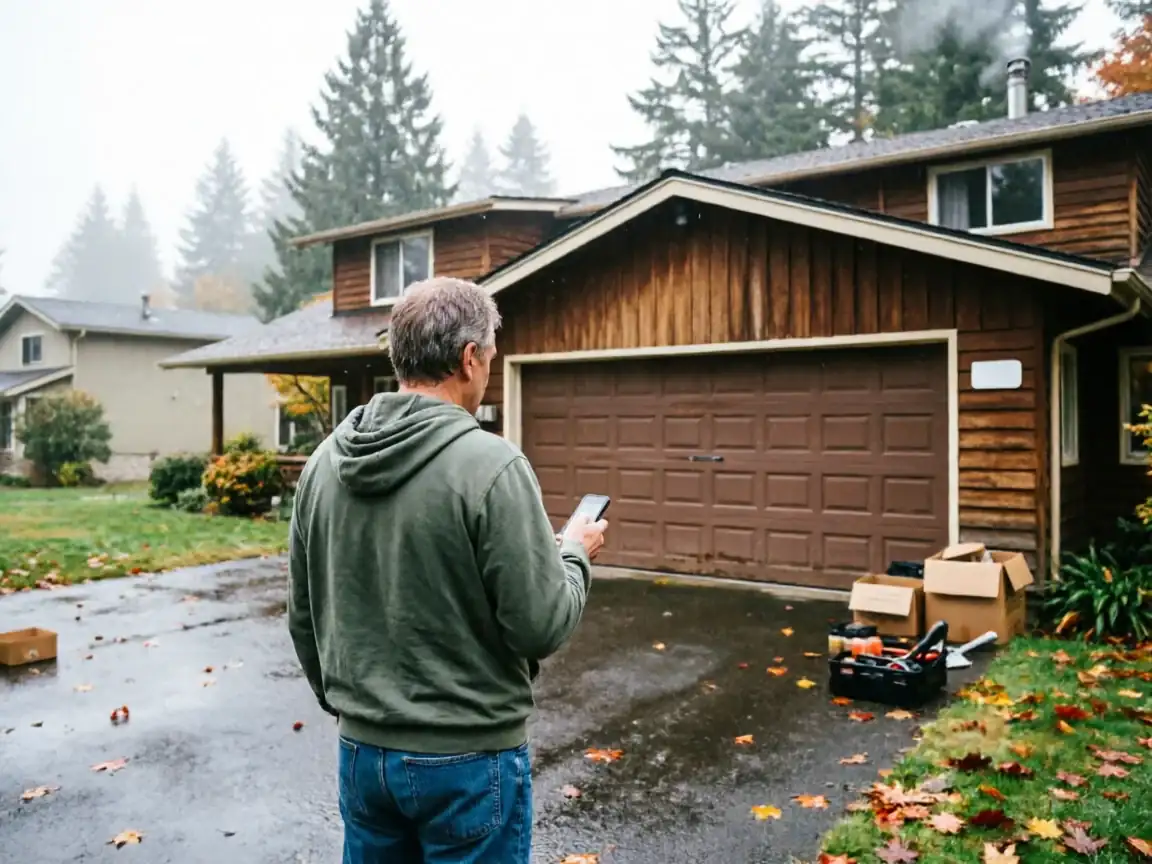
A man stands in a driveway looking at his phone in front of a house.

Tell us what’s wrong

Describe the symptom - won’t open, loud bang, opener runs but the door won’t move.

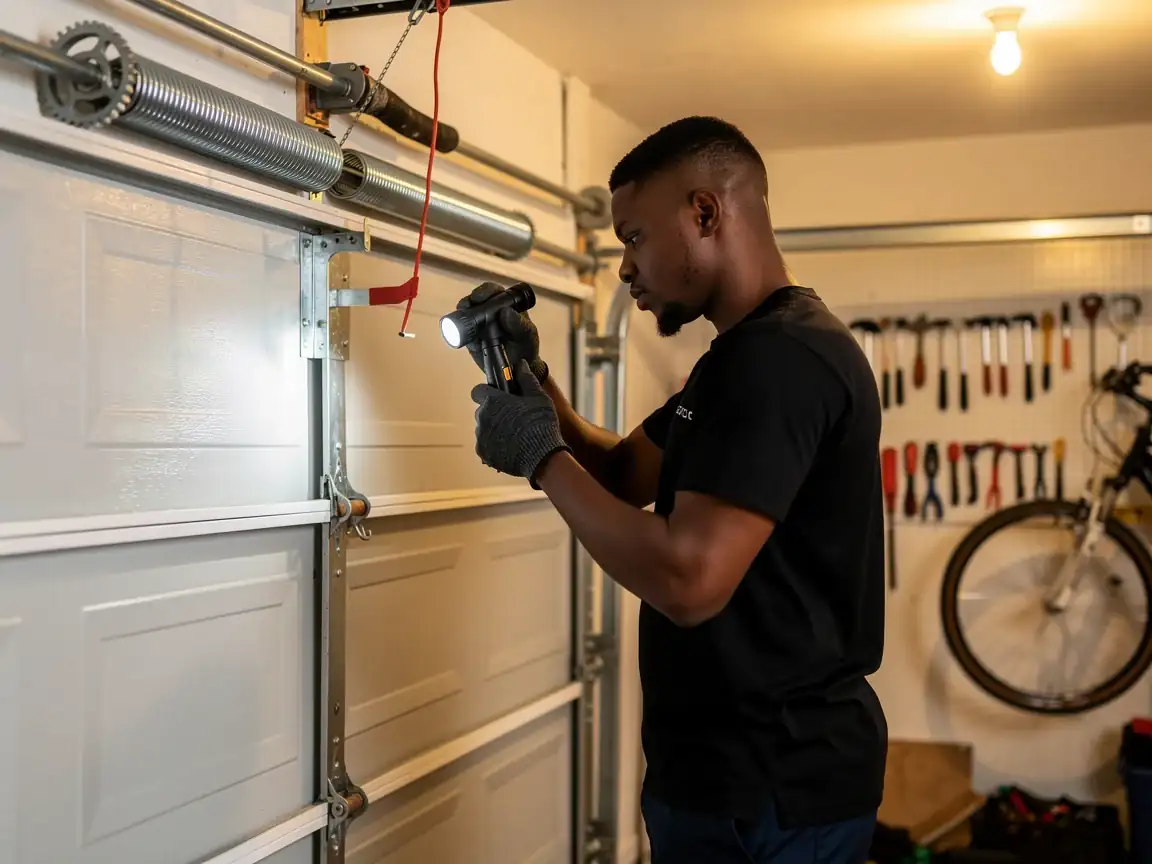
A technician shines a flashlight on the garage door's top panel and roller.

On-site diagnosis

A technician tests the door under power and by hand and finds what actually failed.

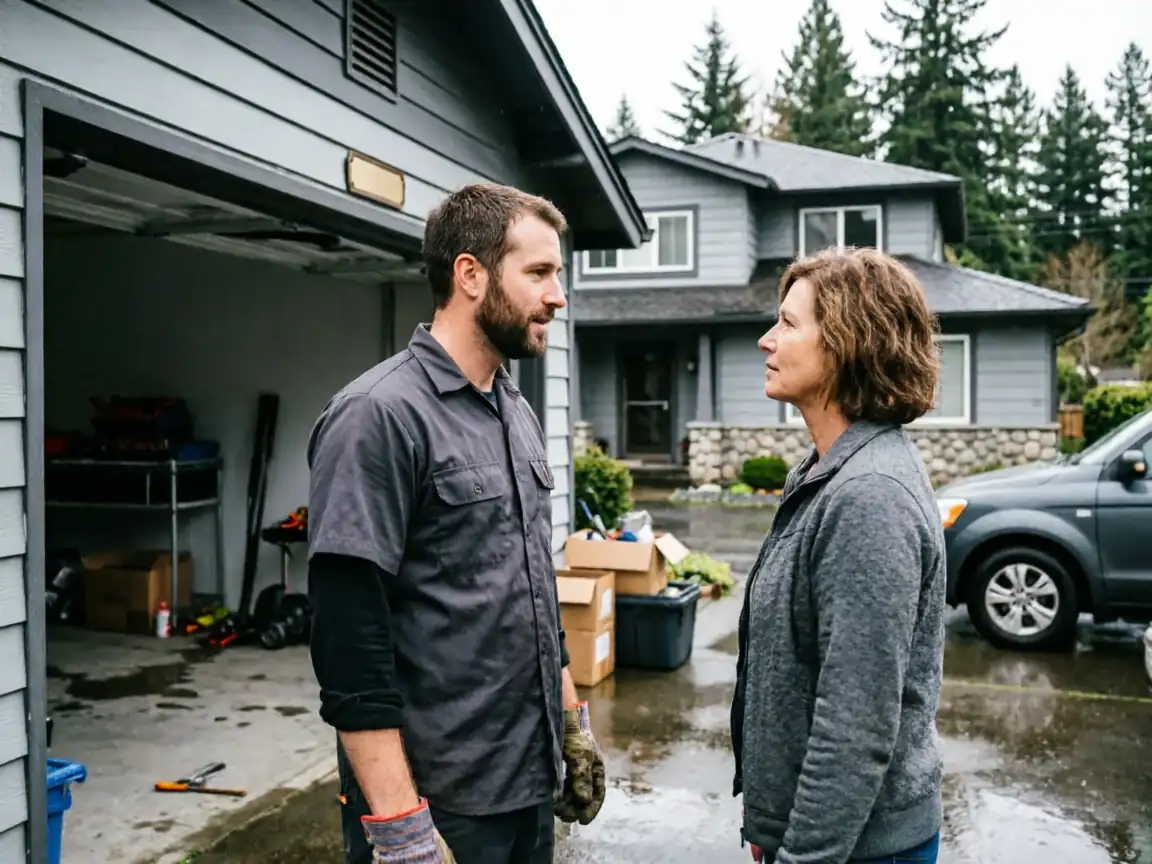
A technician and a woman stand talking in front of a garage and house.

Clear, up-front plan

You get the fix that’s needed and what drives the cost - before any work starts.

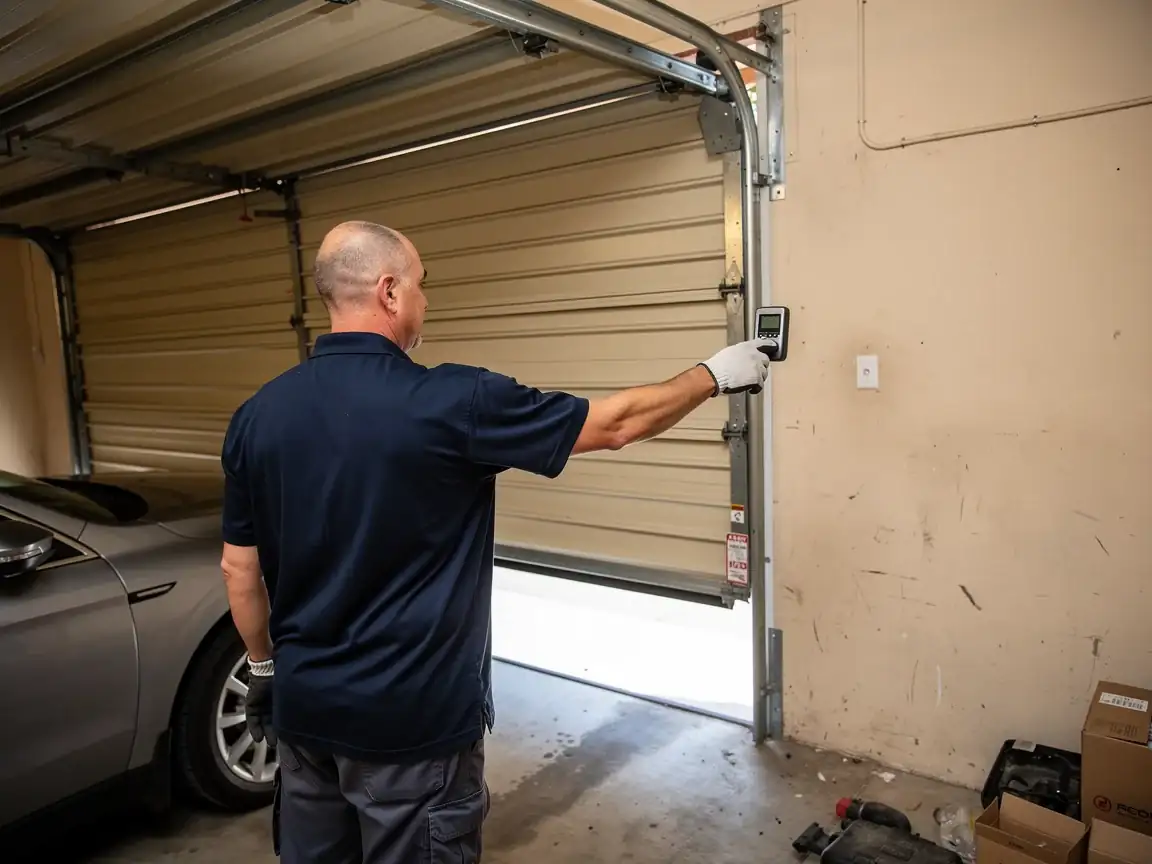
A technician holds a remote control while standing next to an open garage door.

Repaired & tested

The repair is done, the door is set true and tested, and the work area left clean.

Not sure which repair your door needs in Vancouver, WA? Describe what it’s doing - every job starts with a diagnosis.

How we work

What to expect

  • Diagnosis firstEvery visit starts by finding what actually failed - not a pre-written parts list.
  • The right part for the doorSprings and openers matched to the door’s weight and age, so the fix holds up.
  • Straight answersWhen a repair makes more sense than a replacement - or the reverse - you hear it plainly.
  • Clean, careful workTension released safely, hardware set true, the door tested under power before we leave.
What we do

Garage Door Services

Repair and installation work for Vancouver homes and businesses.

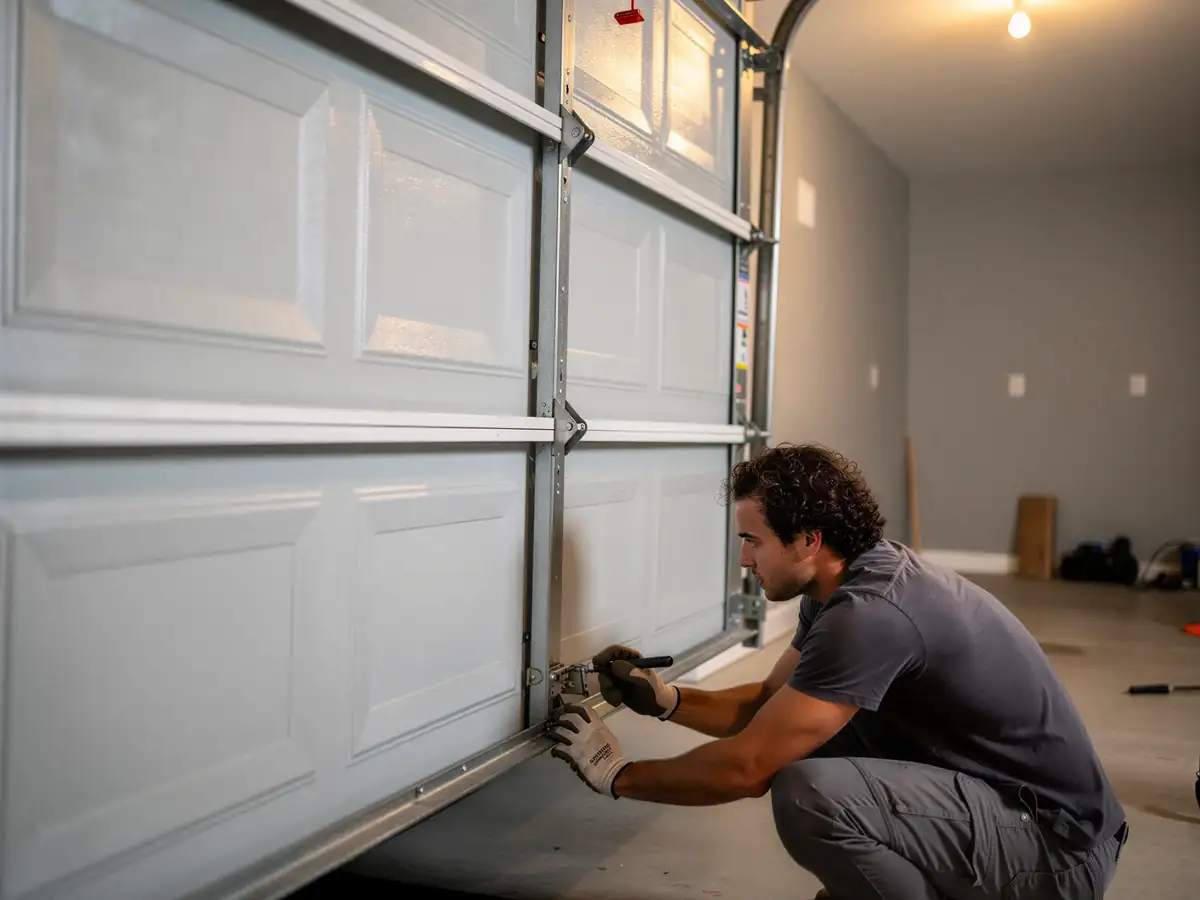
A technician in gloves crouches, working on the bottom panel of a white garage door.

Garage Door Repair

Garage door repair for Vancouver WA homes built from the late 70s through the 2000s. We know why springs and openers from that era fail and what it takes to fix them.

Learn more
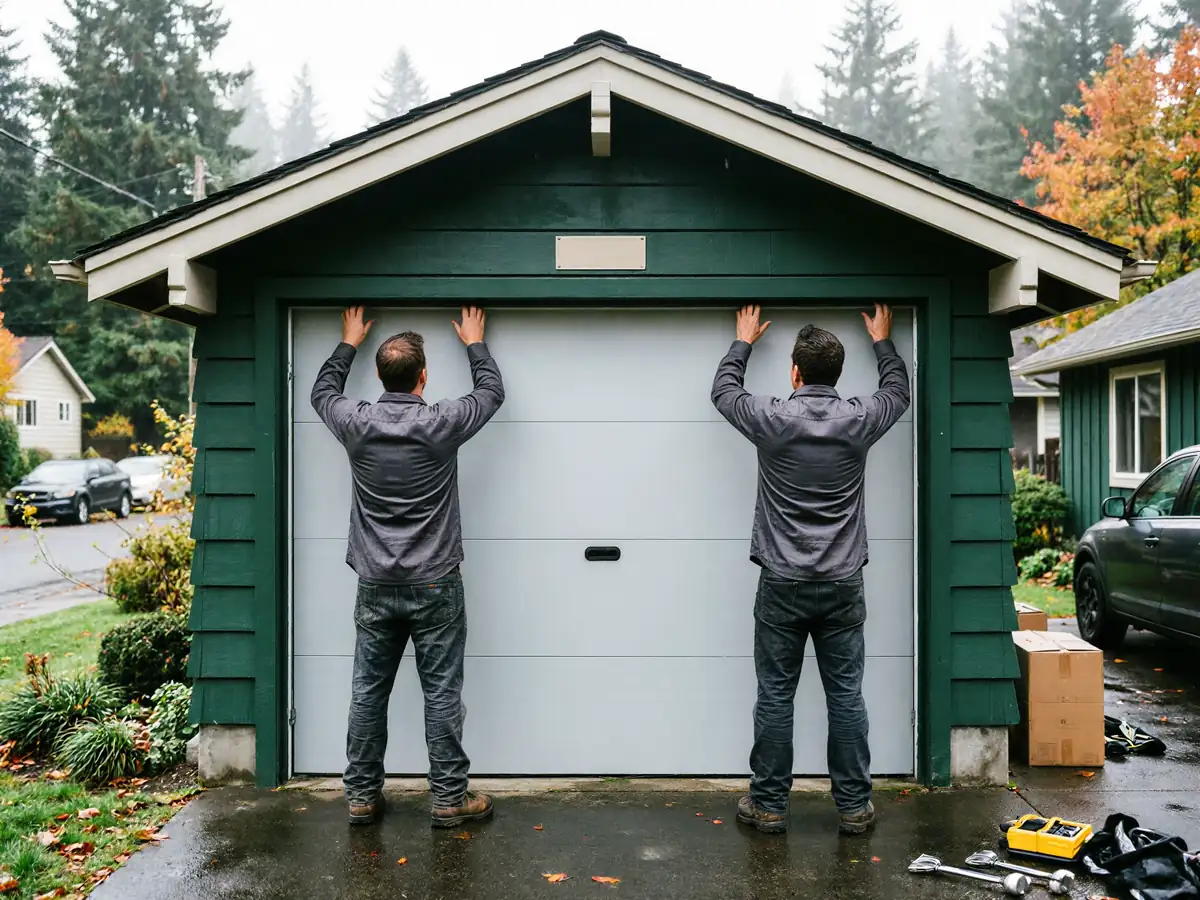
Two technicians install a new white garage door on a green garage.

Garage Door Installation

Most Vancouver homes went up between 1977 and 2011, so a lot of original garage doors are now past their service life. Here's what installation involves and costs here.

Learn more
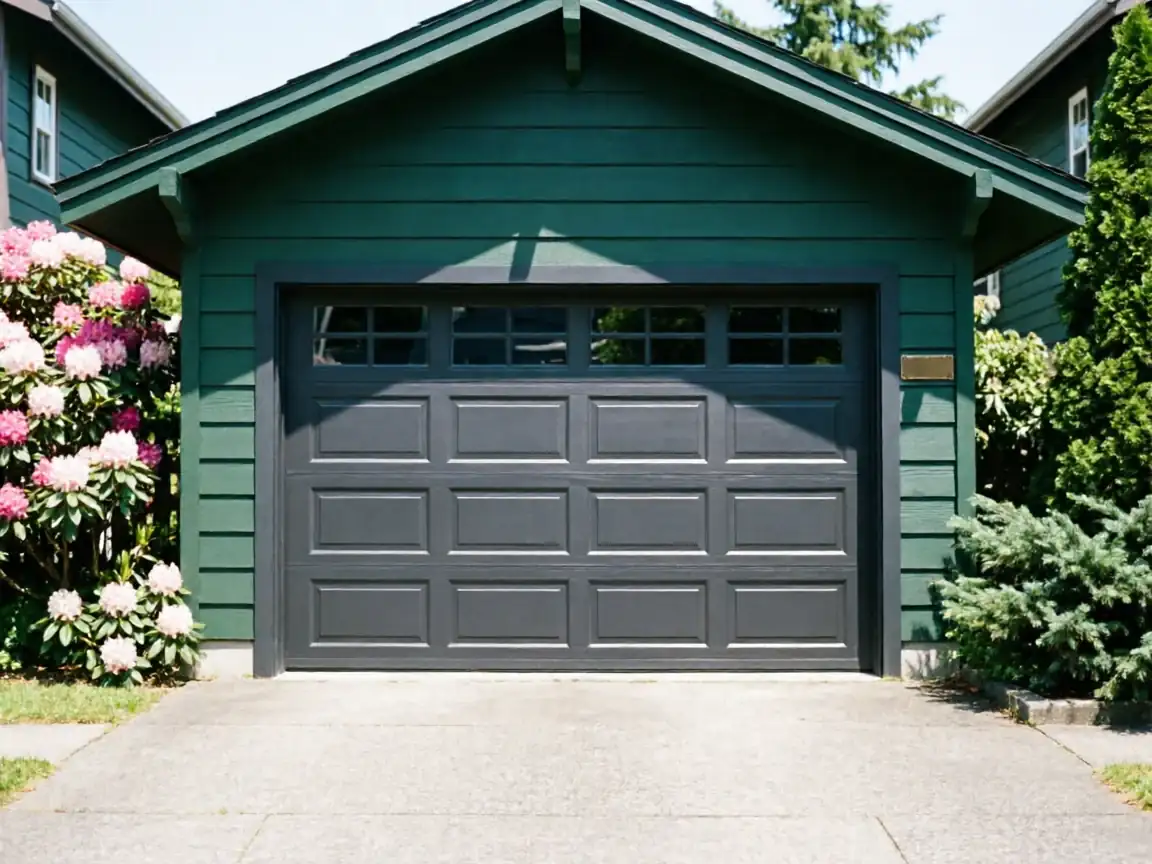
A dark gray garage door with windows on a green garage.

Garage Door Service

Garage door repair and tune-up service for Vancouver, WA homes built mostly in the 1980s and 90s, from Hazel Dell to Felida. Same housing-era problems, handled right.

Learn more
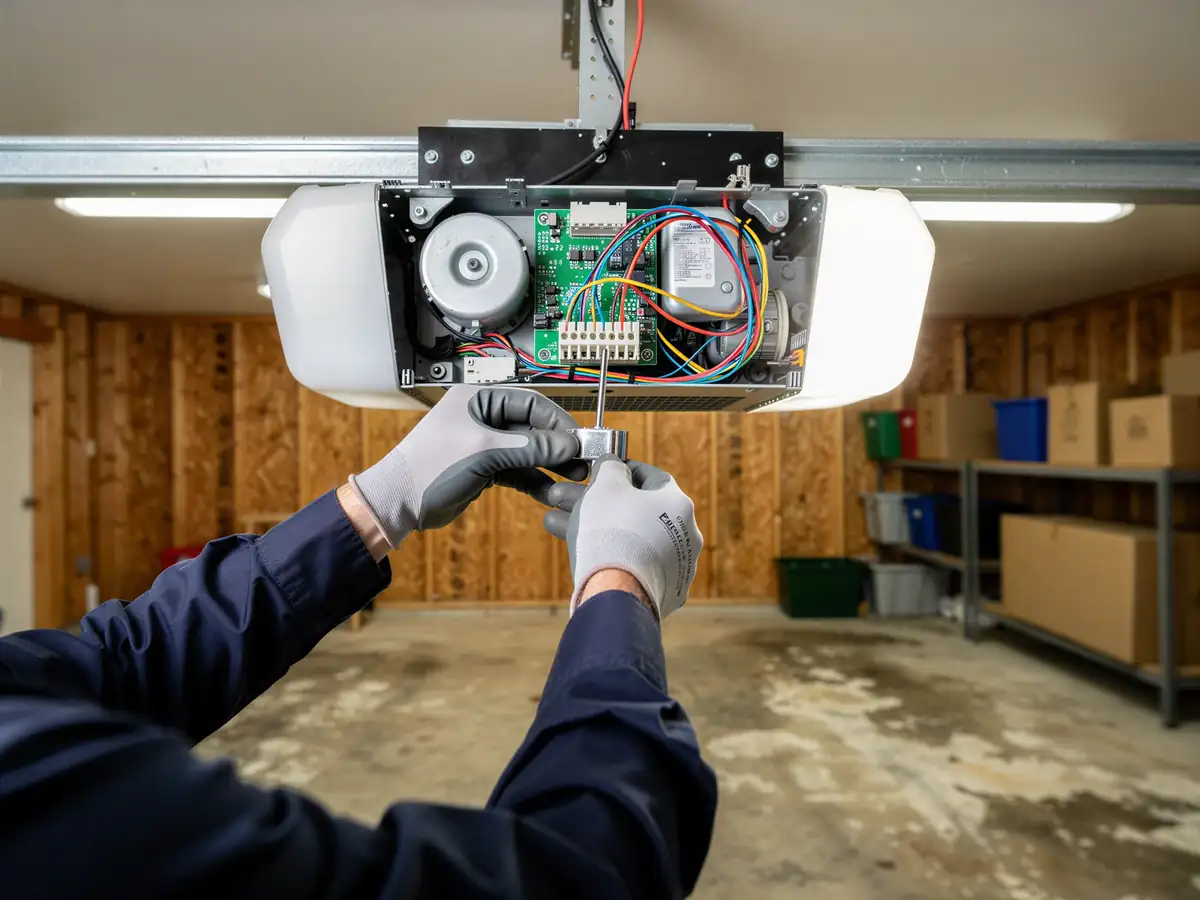
A technician in gloves works on the exposed circuit board of a garage door opener.

Opener Repair

Opener repair for Vancouver, WA area homes built 1977-2011. Mild winters and aging drive gears cause strips, dead sensors, and silent openers that quit.

Learn more
A technician installs a garage door opener control panel on a brown garage door.

Opener Installation

Opener installation for Vancouver, WA houses built 1977-2011 - matching lift type to door weight and mild-freeze climate, with straight talk on what drives the cost.

Learn more
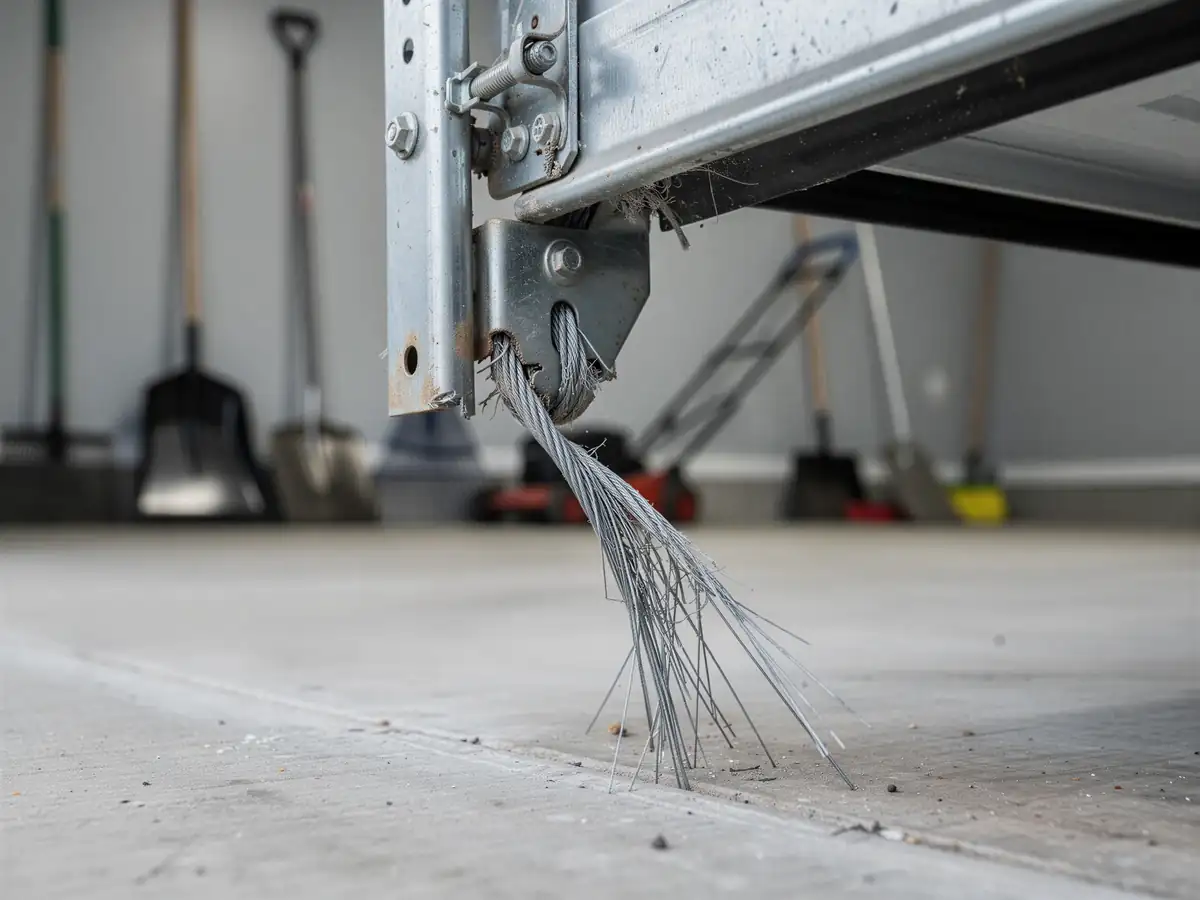
The frayed garage door cable hangs from the bottom of the garage door.

Cable Repair

Broken or frayed garage door cables are common in Vancouver's 1977-2011 housing stock. Same-area service for cable repair and replacement, with an honest look at what drives the job.

Learn more
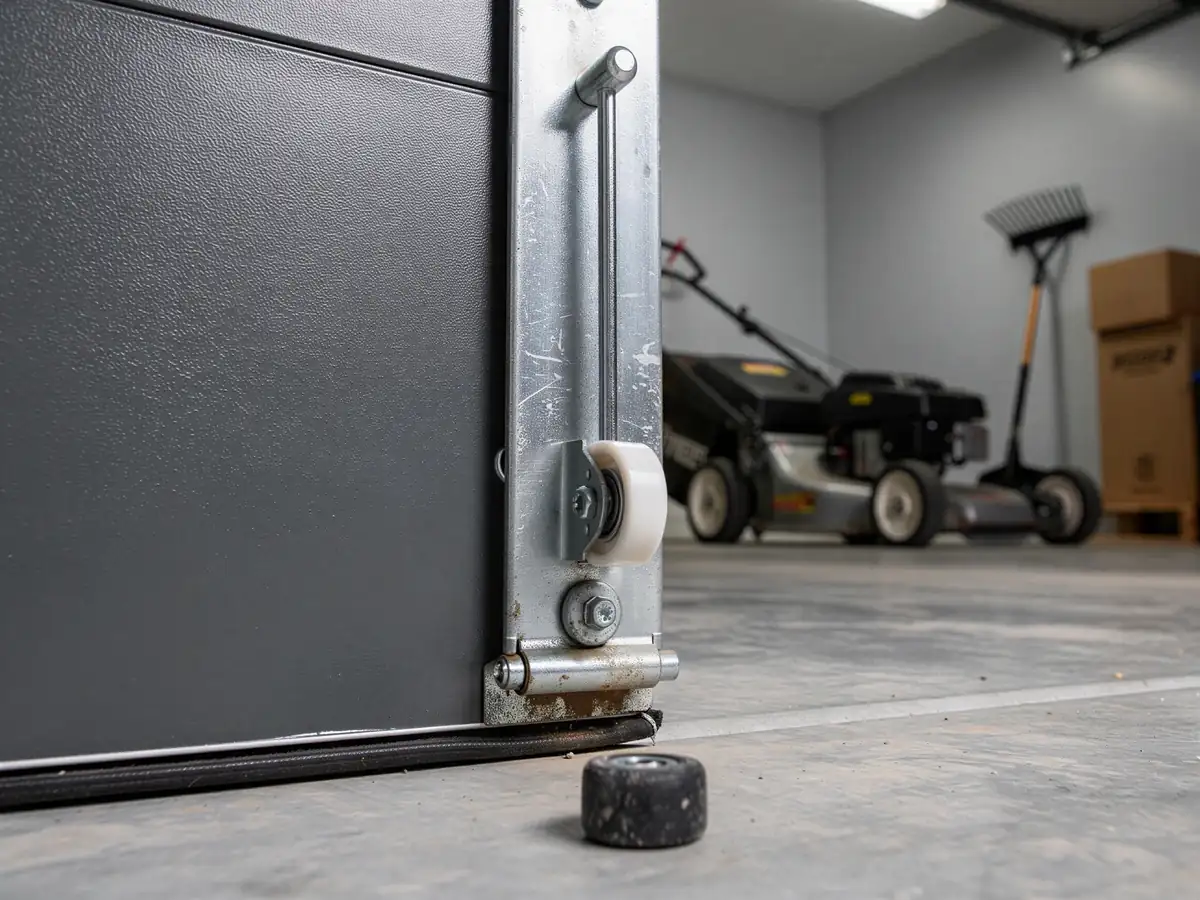
A garage door roller is detached from the track, with a broken wheel on the floor.

Roller Replacement

Worn or cracked rollers on Vancouver, WA homes built 1977-2011 cause grinding and binding. We replace them with steel or nylon rollers sized to your track.

Learn more
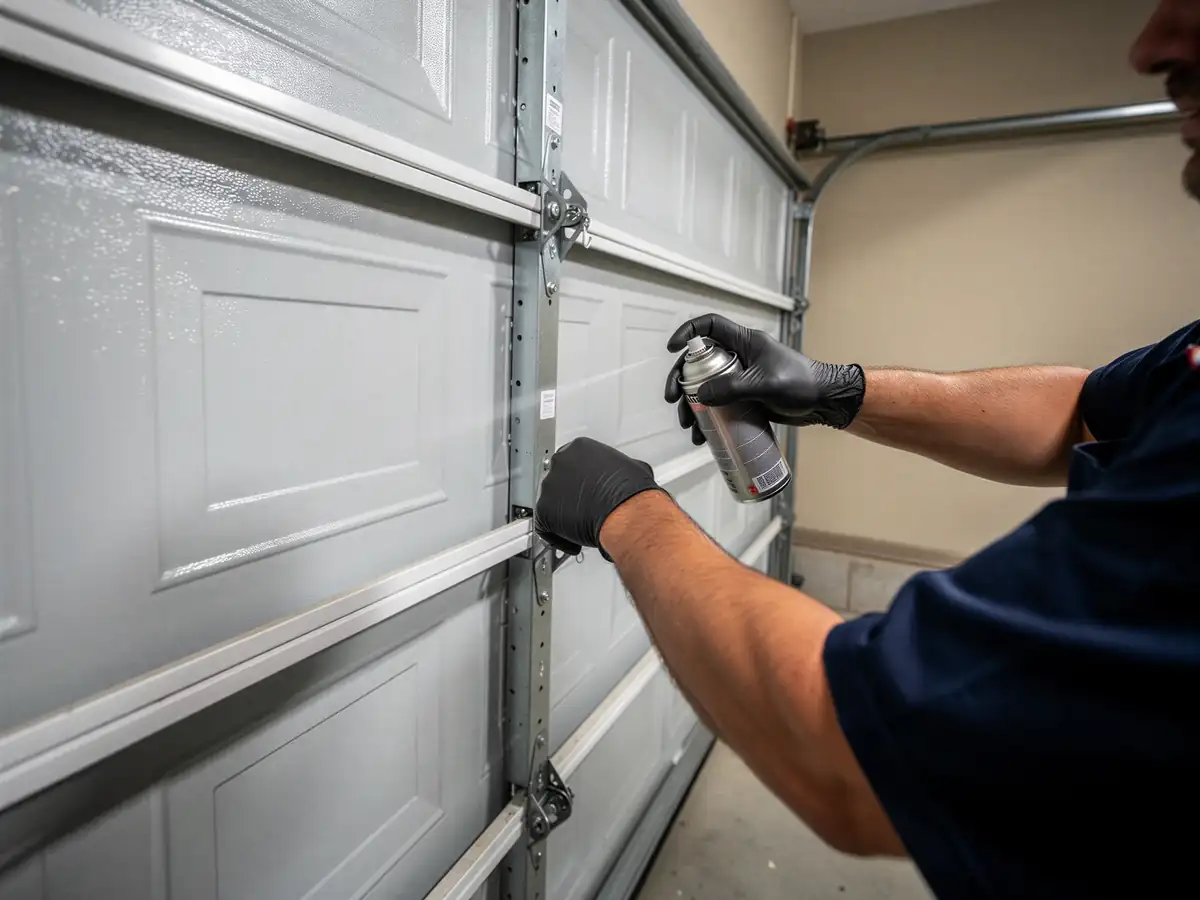
A technician in black gloves sprays lubricant on a gray garage door track.

Maintenance

Garage door maintenance for Vancouver, WA homes built 1977-2011, tuned to the region's mild, freeze-prone winters and aging torsion hardware across the area.

Learn more
Questions

Frequently asked

Straight answers about garage door repair in Vancouver. Still unsure? Ask us directly.

Why does my garage door let in a draught only in winter?

It's almost always the bottom or side weather seal shrinking and stiffening in the cold. Vancouver's mild but some-freeze climate puts seals through a constant expand-and-contract cycle, and rubber loses its flexibility faster here than people expect. Once it's stiff, it stops sealing the gap, and that gap is the draught.

Is my torsion spring going to rust in this climate?

Not quickly, but condensation from the temperature swings common here does dull and stiffen a spring over time, especially in an unheated garage. It's not the dramatic rust you'd see in a coastal, damp climate, just gradual wear that makes the opener work harder.

My house was built in the 90s - does that affect what repairs cost?

It generally helps. Most homes in this area, including yours if it fits the 1977-2011 range, use standardized torsion-spring hardware that's easy to source parts for, unlike older extension-spring setups. That usually means a more straightforward repair than on an older house.

Ready to get your garage door sorted?

Tell us what it’s doing and where you are in Vancouver - we’ll take it from there.

Request a QuoteCall