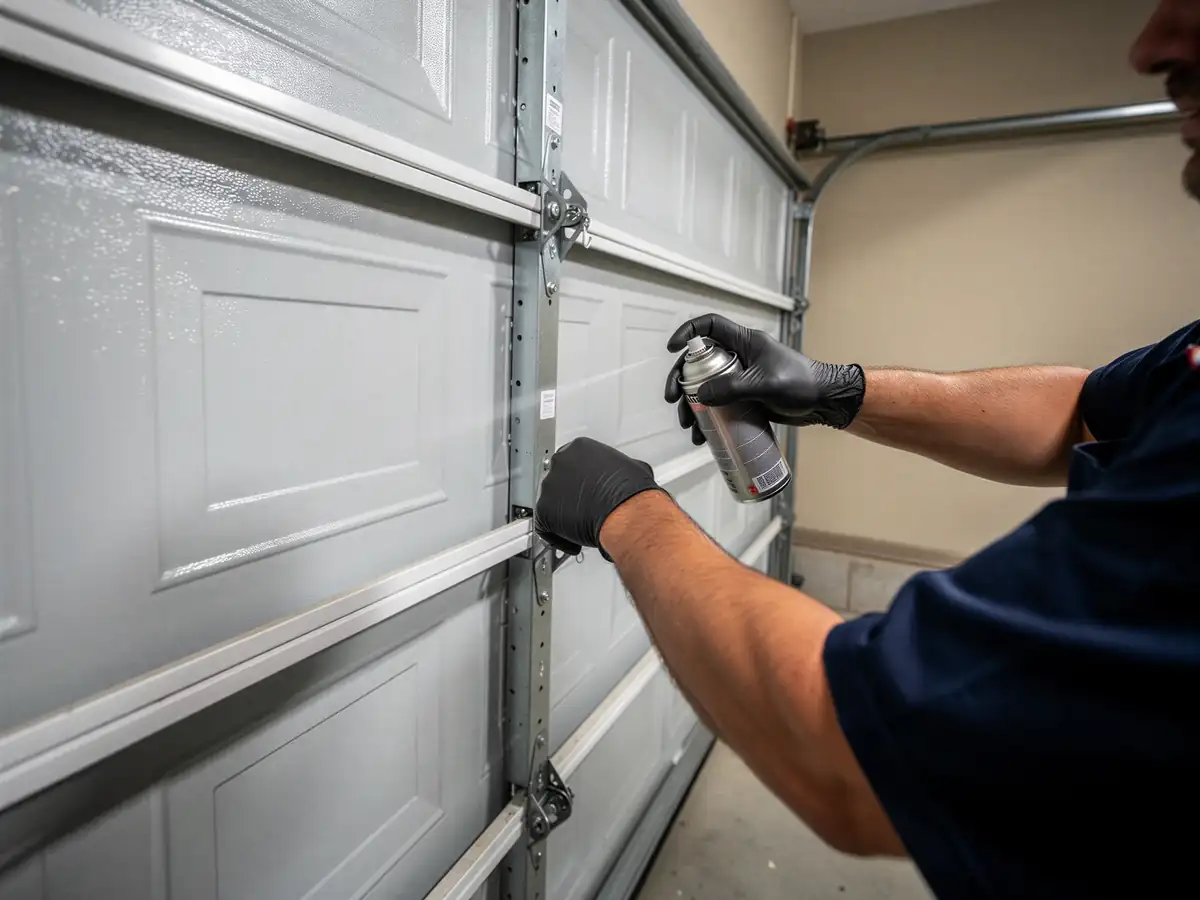
Openers in Minnehaha skew newer than the rest of the service area - here's how that changes the repair call, the parts we carry, and what a bad circuit board actually looks like.
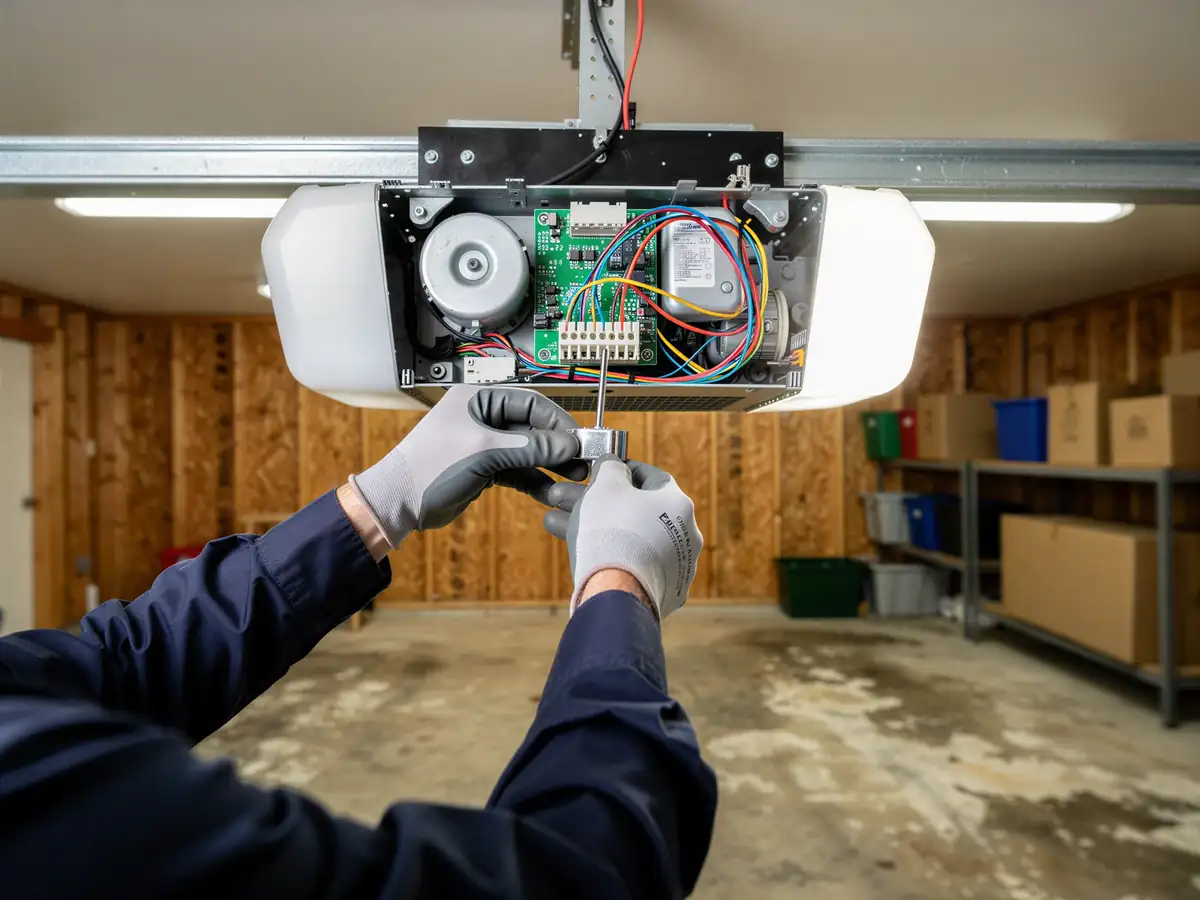
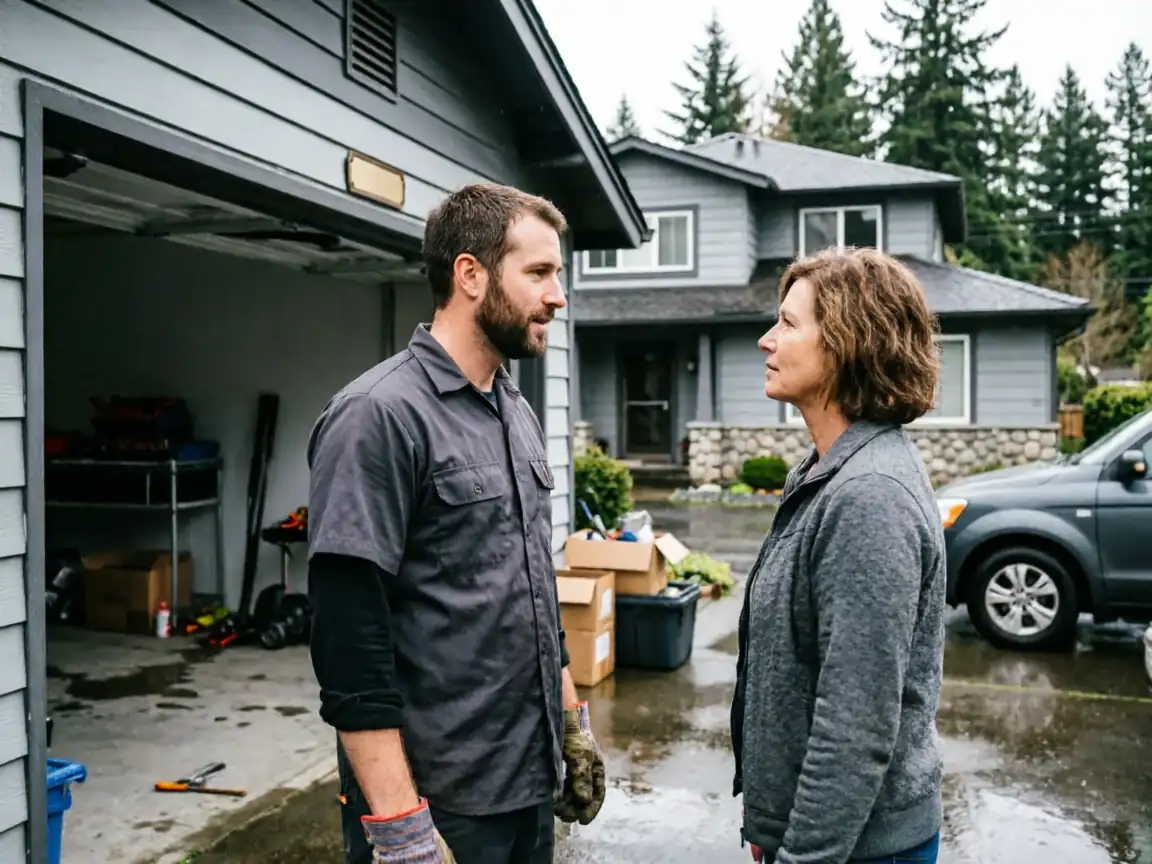
Minnehaha sits about 2 miles from our shop in Vancouver, and the houses here mostly went up a couple years past the service area's overall median build year of 1994 - call it mid-to-late 1990s construction. That matters more than it sounds. A house framed in 1996 usually came with a chain-drive opener on a mid-90s logic board, not the older screw-drive or the barebones relay units you still find in the oldest pockets of the broader area, which spans construction from 1977 clear through 2011. When we get a call out here, we're usually diagnosing a circuit board, a worn drive gear, or a failed capacitor on a unit that's had twenty-plus years of garage temperature swings - not rebuilding a chain from scratch or replacing a motor that's lasted twice its rated life. We bring the board and sensor stock that fits that era first, which cuts down on a second trip. If the opener turns out to be older than the house - a swap job from a prior owner - we carry parts for that range too, but we start with what the build year tells us to expect.
What You Are Seeing
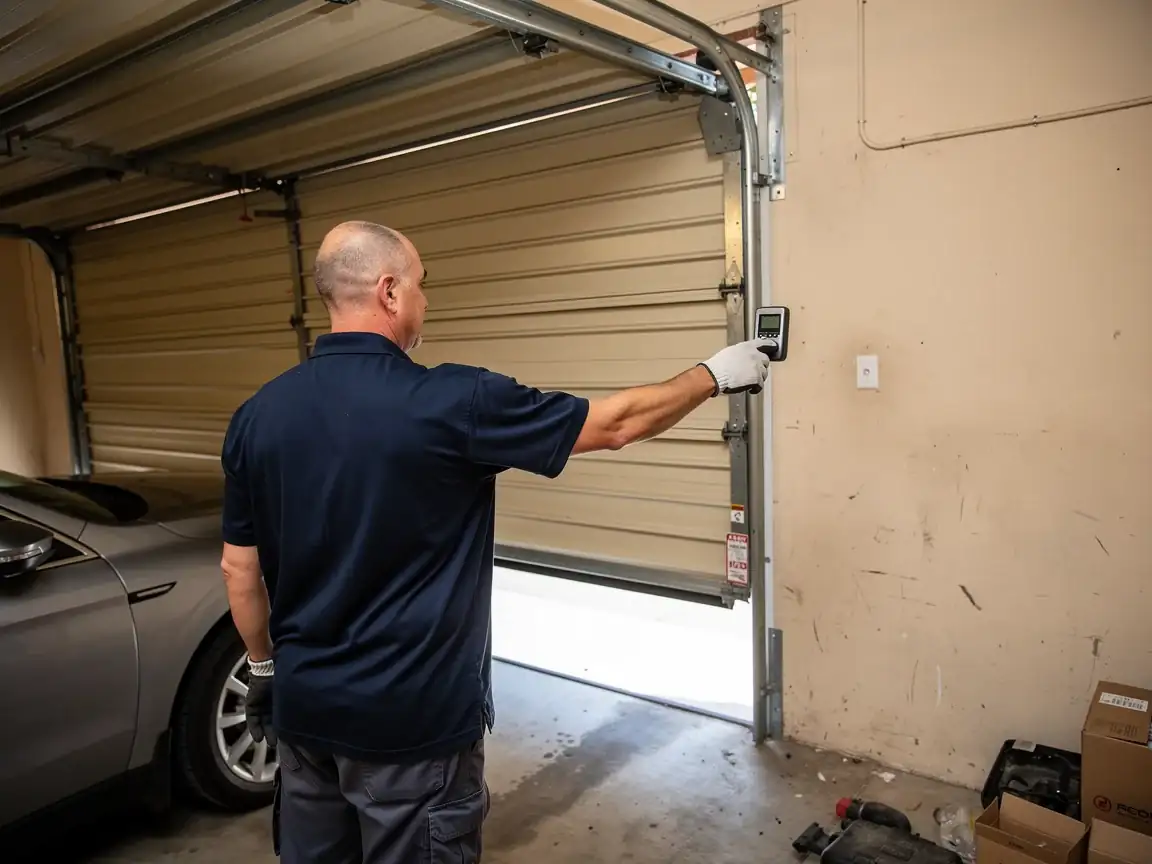
The door hums but doesn't move, or it moves a few inches and reverses. Sometimes the keypad works but the remote doesn't, or the light flashes a count you can't place. On openers from the mid-90s build era common in Minnehaha, the usual suspects are a worn drive gear sprocket, a dying capacitor on the motor start, or a logic board that's lost its memory after a power blip. If your door reverses before it touches the floor, check the safety sensors near the bottom of the track first - they're cheap to misalign and expensive to ignore. None of this is a mystery once we're standing in front of the unit, but it's worth knowing which symptom points where before you decide whether it's a ten-minute sensor fix or a board swap.
What Causes It Around Here
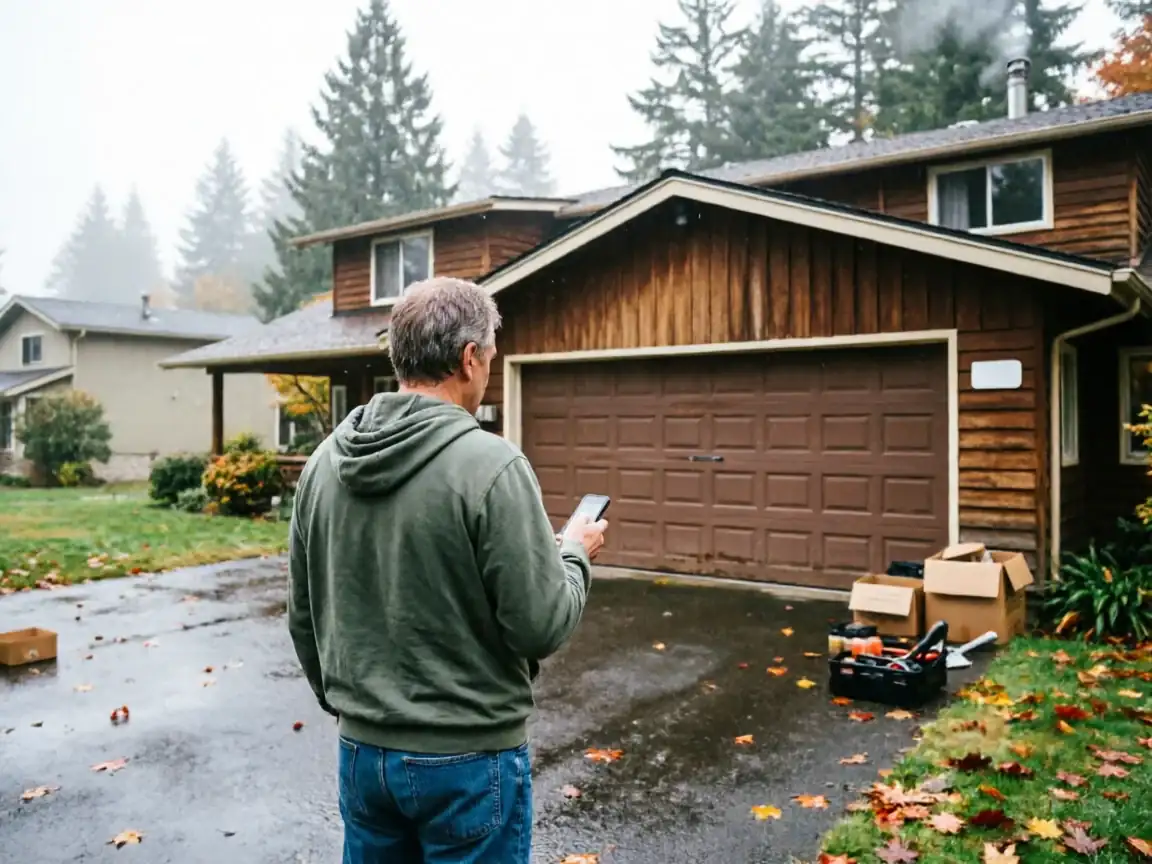
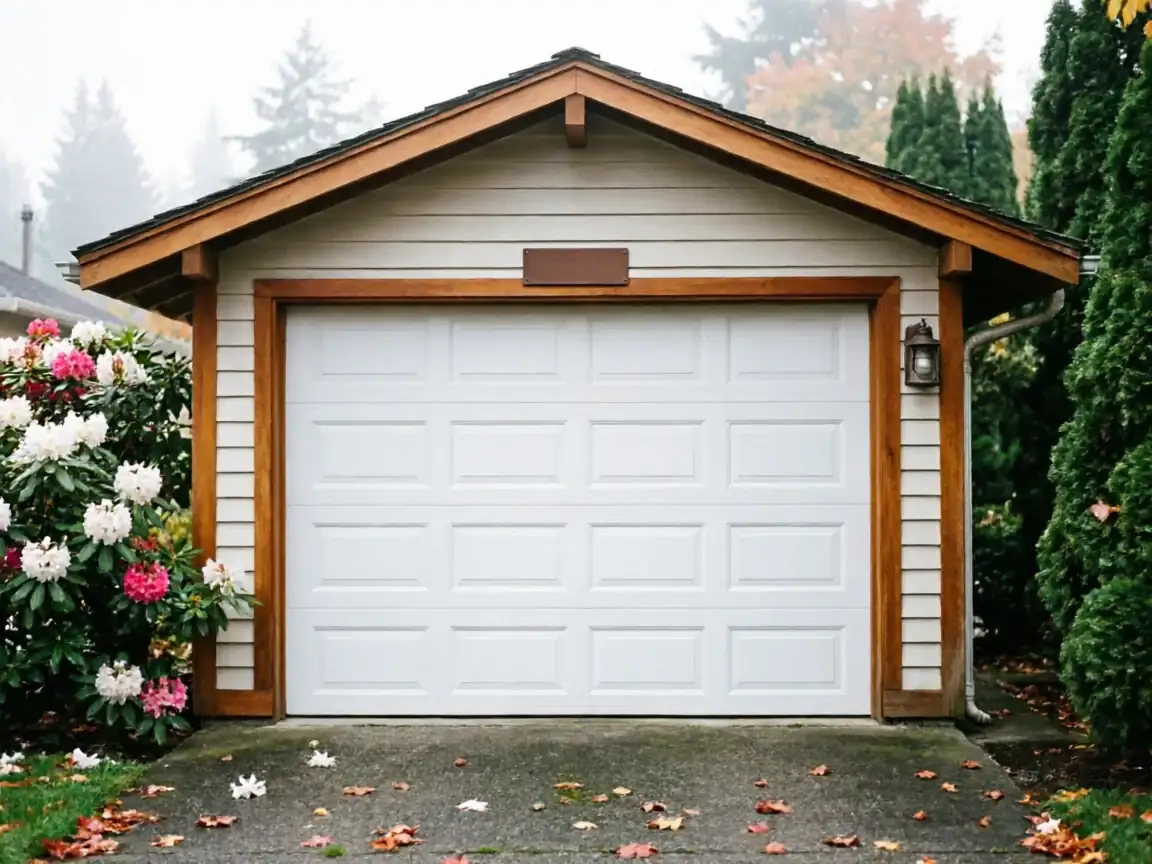
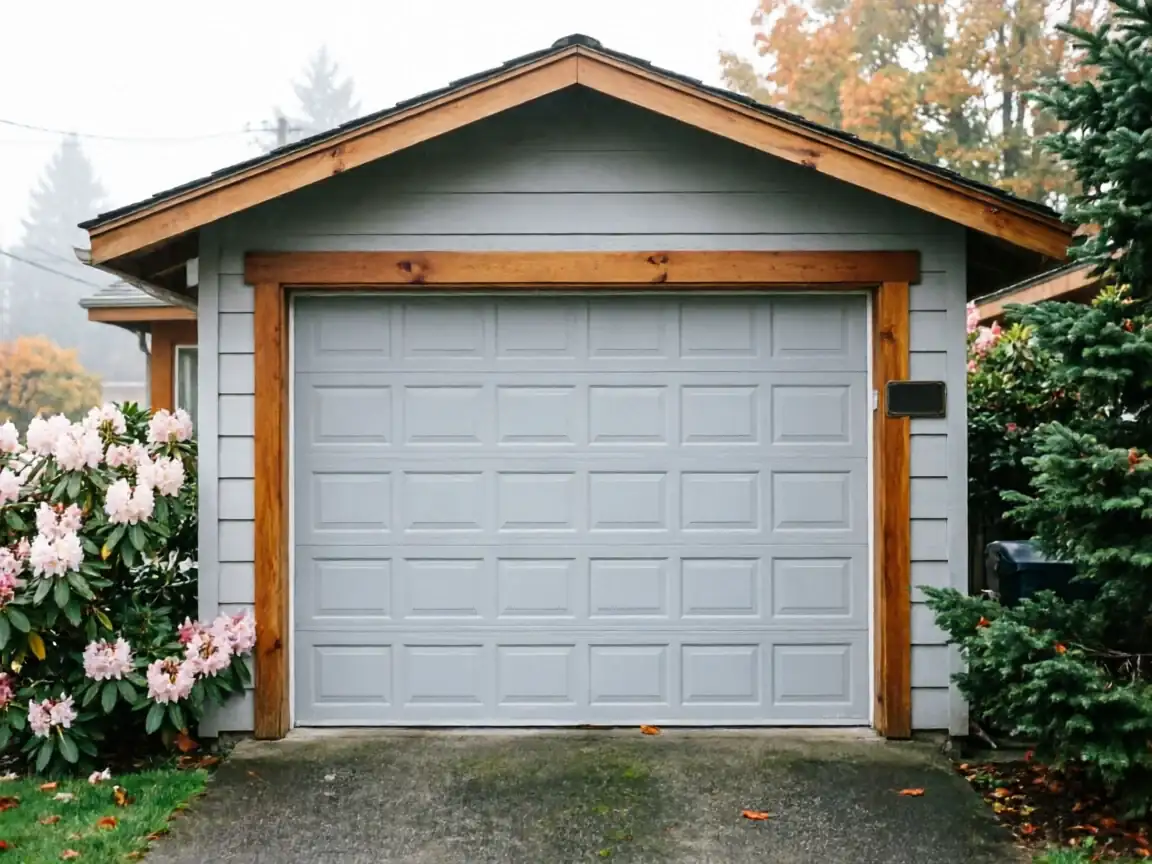
This region sits in a mild climate with occasional freeze, and that matters less for the door itself than for the opener's electronics. Garages here don't get brutal cold snaps, but they do get damp, foggy mornings for stretches at a time, and that moisture works into photo-eye sensor housings and board connectors over the years. On a unit installed when a Minnehaha house was built in the mid-90s, that's two-plus decades of condensation cycles on the same board. We also see drive gears stripped from owners trying to force a door that's actually got a spring problem, not an opener problem - the opener just takes the blame because it's the part making noise. Across the wider service area, with housing stock running from the late 1970s through 2011, the fault pattern shifts by decade; out here, the mid-90s cohort is squarely in board-and-sensor territory rather than full-replacement territory.
How Long You Are Without the Door
Most opener repairs are a single visit - we diagnose the board, sensor, or gear on site and carry the common parts for 1990s-era units since that's what the housing stock here calls for. If a board needs to be special-ordered because the unit is an uncommon model, that visit becomes two: one to confirm the part, one to install it. We don't keep a branch in Minnehaha - every job travels from Vancouver, about 2 miles away - so there's no separate local queue, but there's also no walk-in counter to swing by. We'll tell you straight if a part's on backorder rather than guess at a date.
What Can Go Wrong
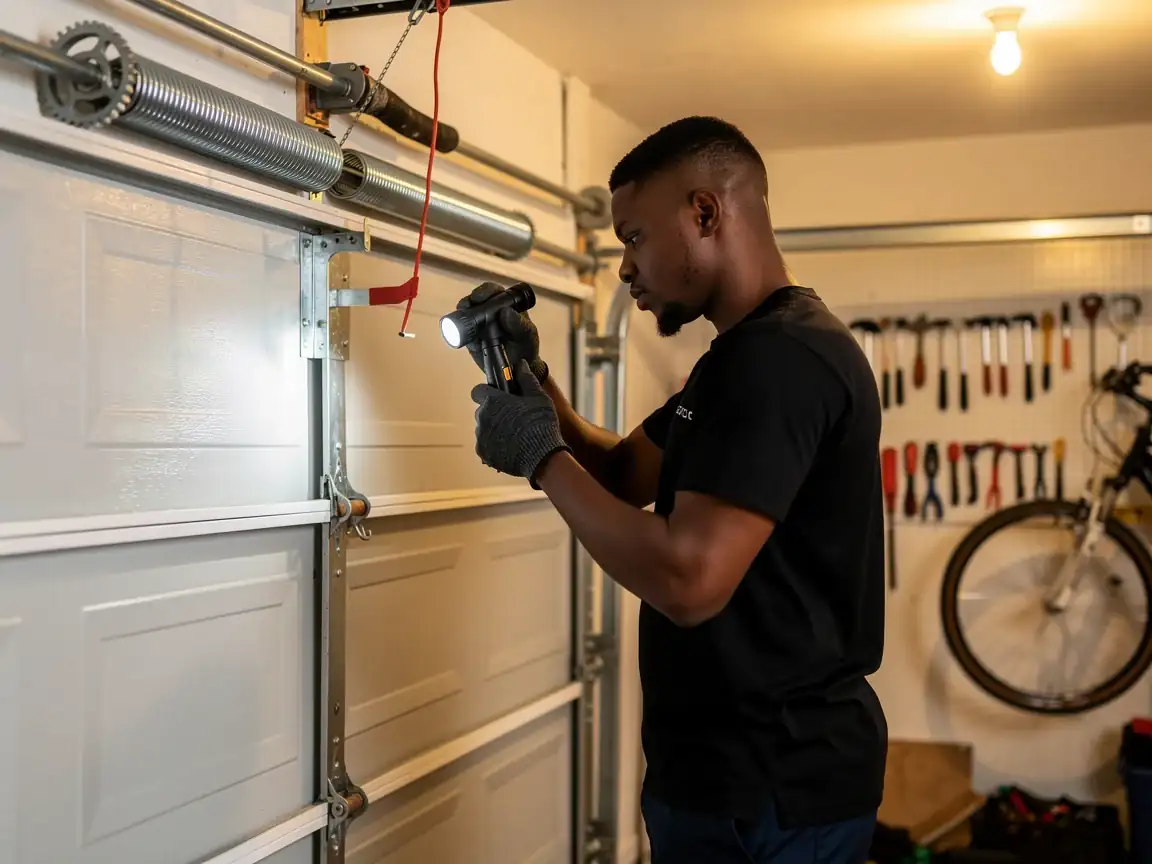
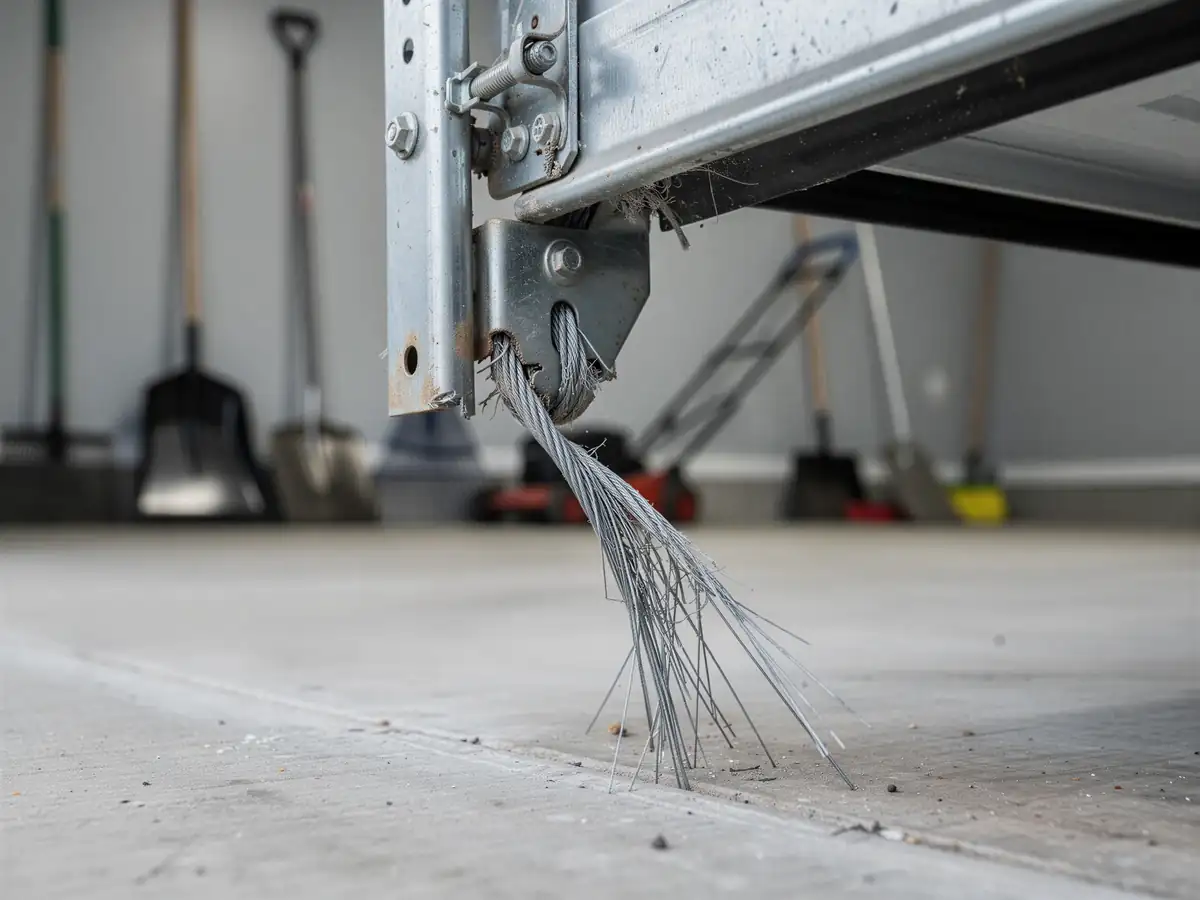
Sometimes what looks like an opener problem is actually a spring or cable problem wearing an opener's symptoms - the motor straining to lift a door that's lost spring tension will eventually cook its own capacitor or strip its gear, and replacing the opener without fixing the spring just repeats the failure in a year. We'll flag that distinction before we sell you a board. On the honest-limitation side: if your opener is a model old enough that the manufacturer's stopped making boards for it, repair isn't always the cheaper road - sometimes a new unit costs less than chasing discontinued parts, and we'll say so rather than string out a repair that won't hold.
Booking a Visit
If you're in Minnehaha and the opener's acting up - won't close, reverses, goes silent - we come out from Vancouver to look at it. Check our Minnehaha service area page for what else we cover near you, or see the full write-up on opener repair across Vancouver if you want the broader picture of how we handle this work citywide.
How it works
From “it’s stuck” to “it’s fixed”
01
Tell us what’s wrong
Describe the symptom - won’t open, loud bang, opener runs but the door won’t move.
02
On-site diagnosis
A technician tests the door under power and by hand and finds what actually failed.
03
Clear, up-front plan
You get the fix that’s needed and what drives the cost - before any work starts.
04
Repaired & tested
The repair is done, the door is set true and tested, and the work area left clean.
Not sure which repair your door needs in Vancouver, WA? Describe what it’s doing - every job starts with a diagnosis.
Straight answers about garage door repair in Vancouver. Still unsure? Ask us directly.
Is Minnehaha covered by a local branch or does someone drive out from Vancouver?
We travel from our Vancouver shop, about 2 miles away. There's no separate Minnehaha branch or counter - every opener call here is a dispatched visit, same as the rest of the service area.
My opener is from the house's original build in the 90s - is that too old to repair?
Not necessarily. Mid-90s units are common in Minnehaha and we carry board and sensor parts for that range. The limit is usually whether the manufacturer still makes replacement boards - if not, we'll tell you plainly rather than chase a dead end.
Why does my door reverse right before it closes?
Almost always a safety sensor issue - misaligned eyes near the bottom of the track, or a lens fogged by moisture. It's a common complaint in this mild, damp climate and usually a short fix once we're on site.
Do you stock parts for older screw-drive openers too?
Yes, though less of what we carry on the truck defaults to that era, since most Minnehaha houses date to the mid-90s and came with chain-drive units. If your house had an opener swapped in from an older unit, we can still source the parts - it just may take a second trip.