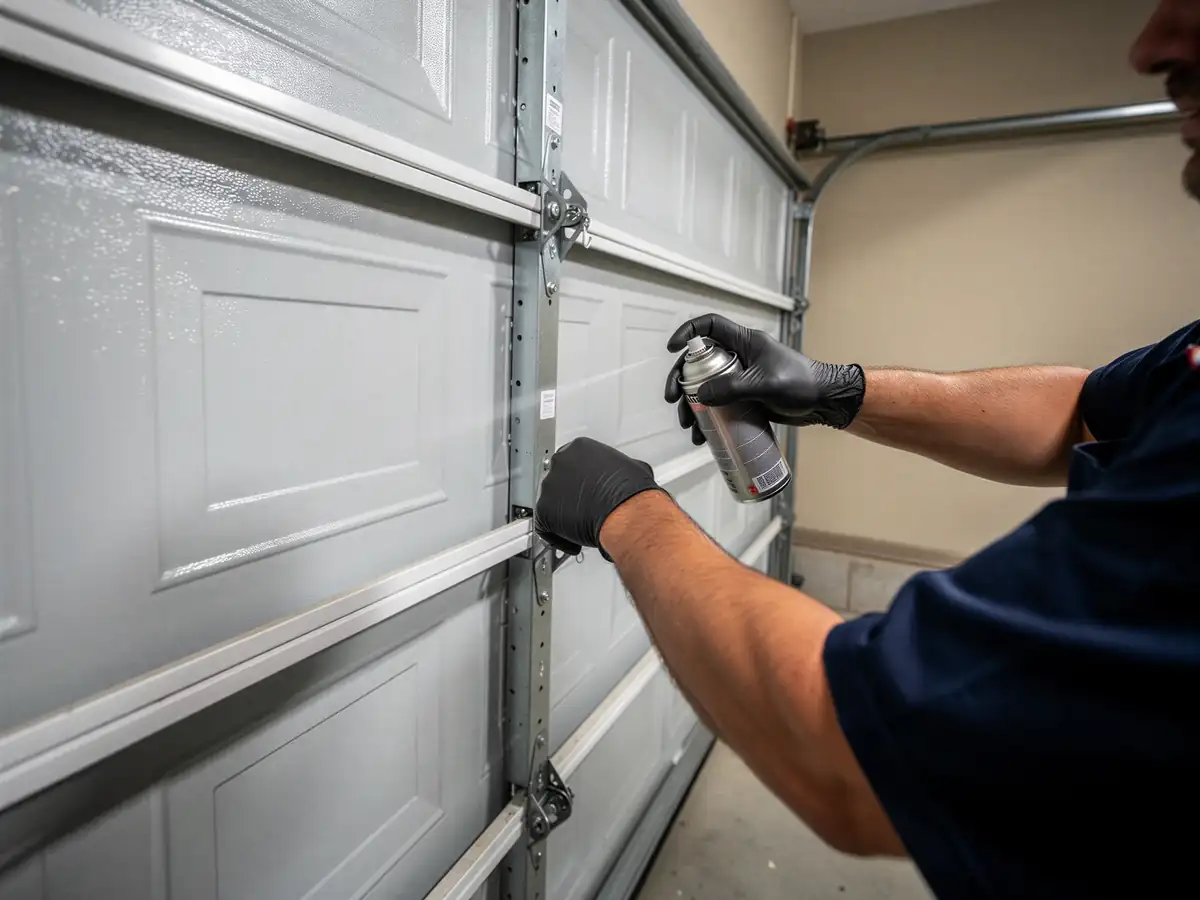
Minnehaha homes mostly went up around 1996, two miles from our Vancouver shop. We fix the original springs, openers, and tracks still running in these houses.
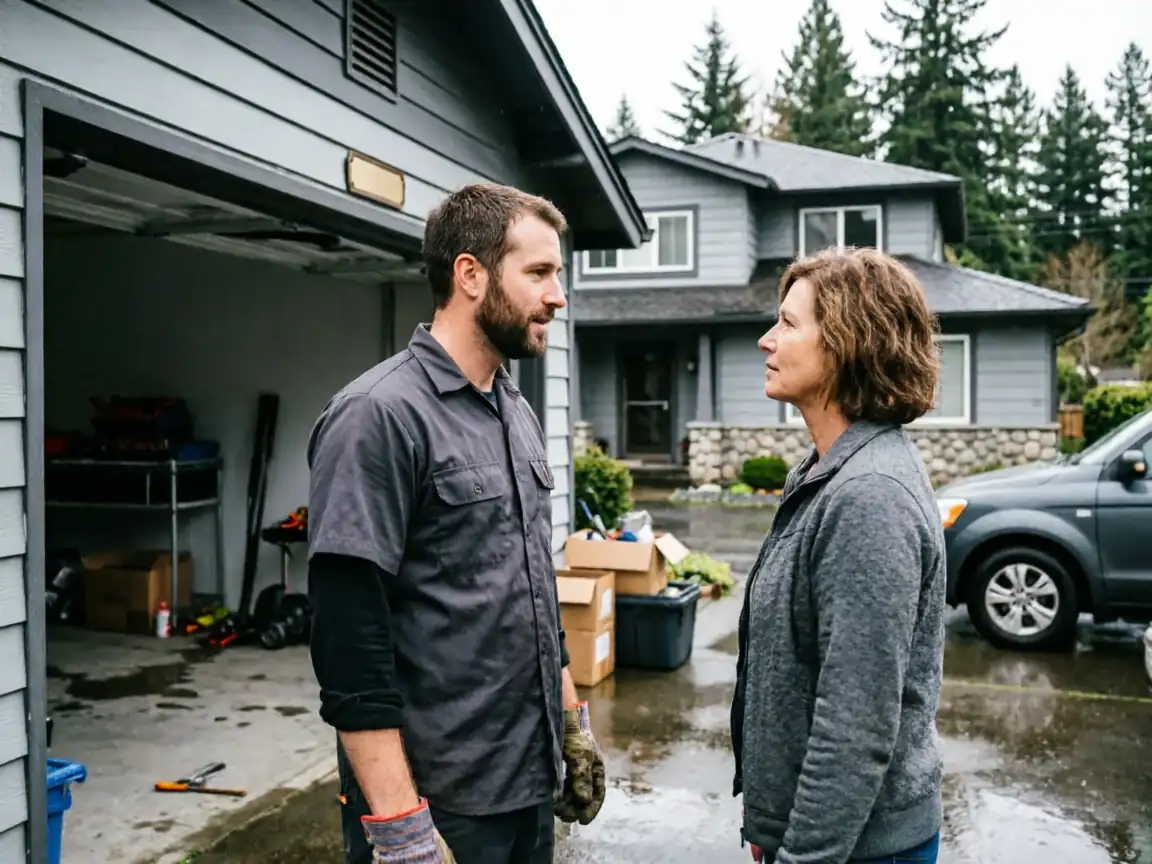
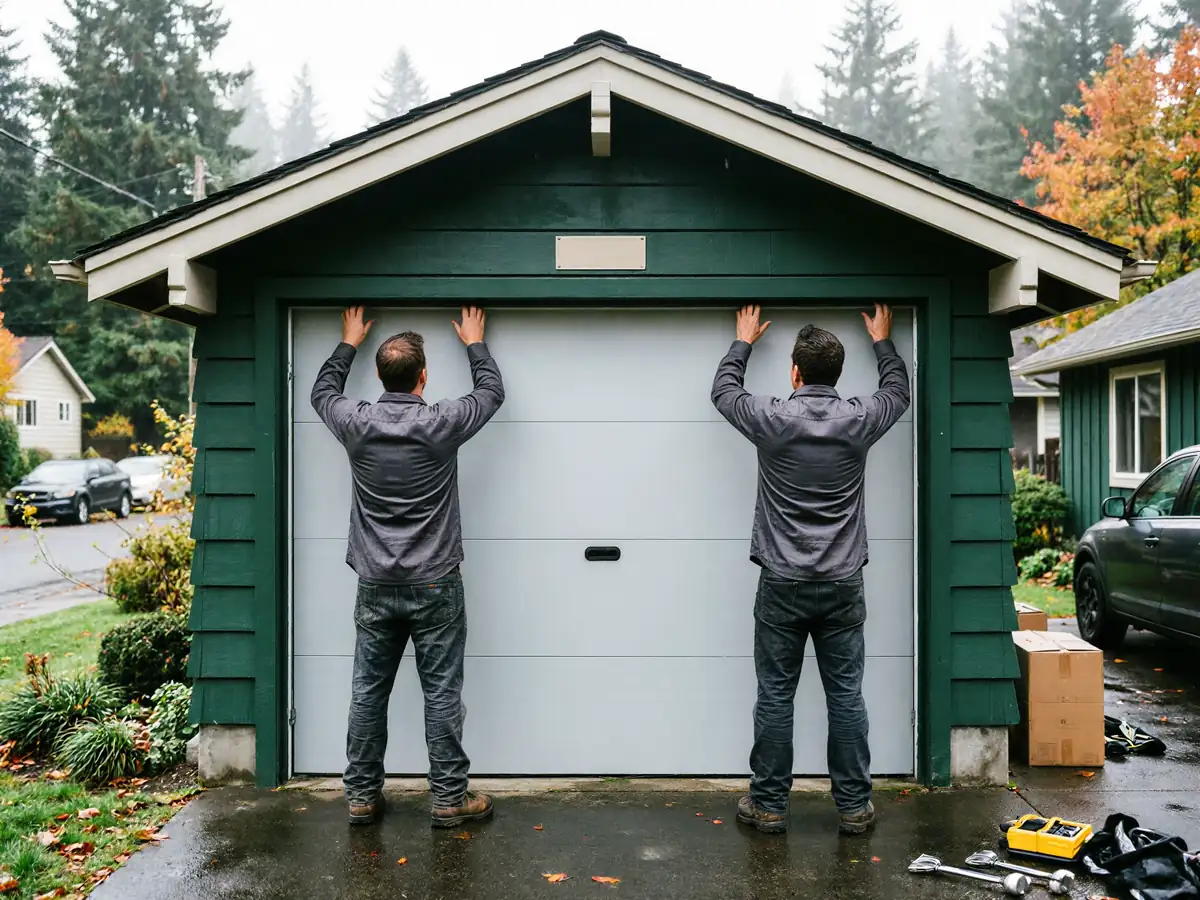
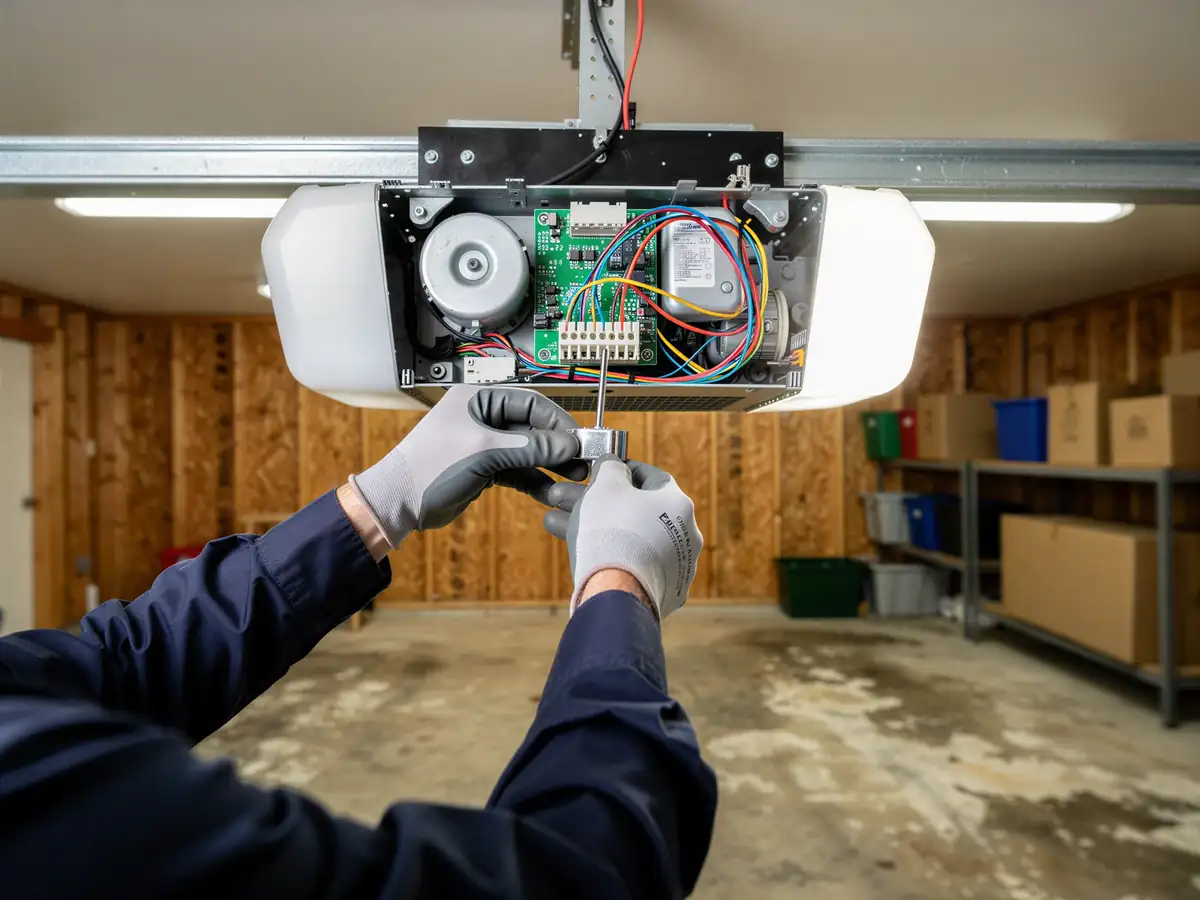
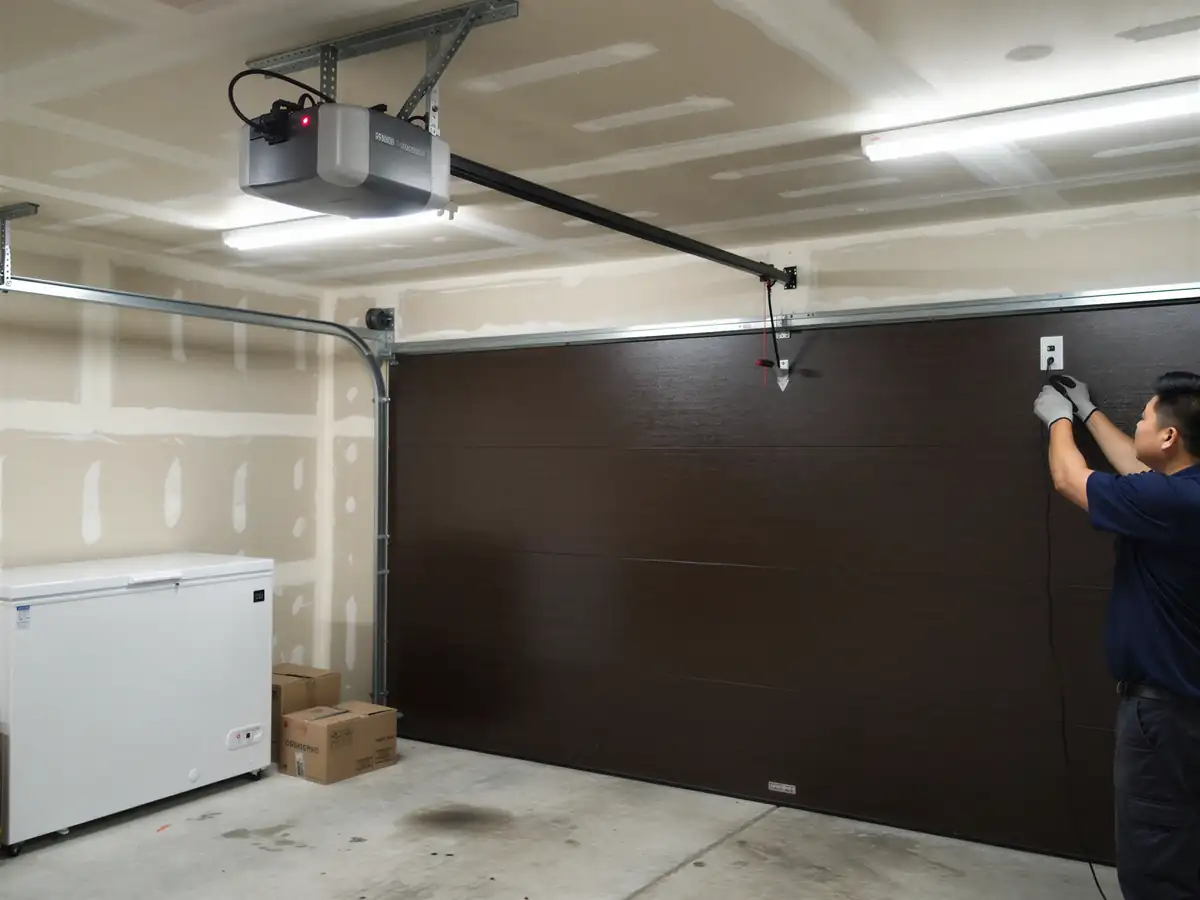
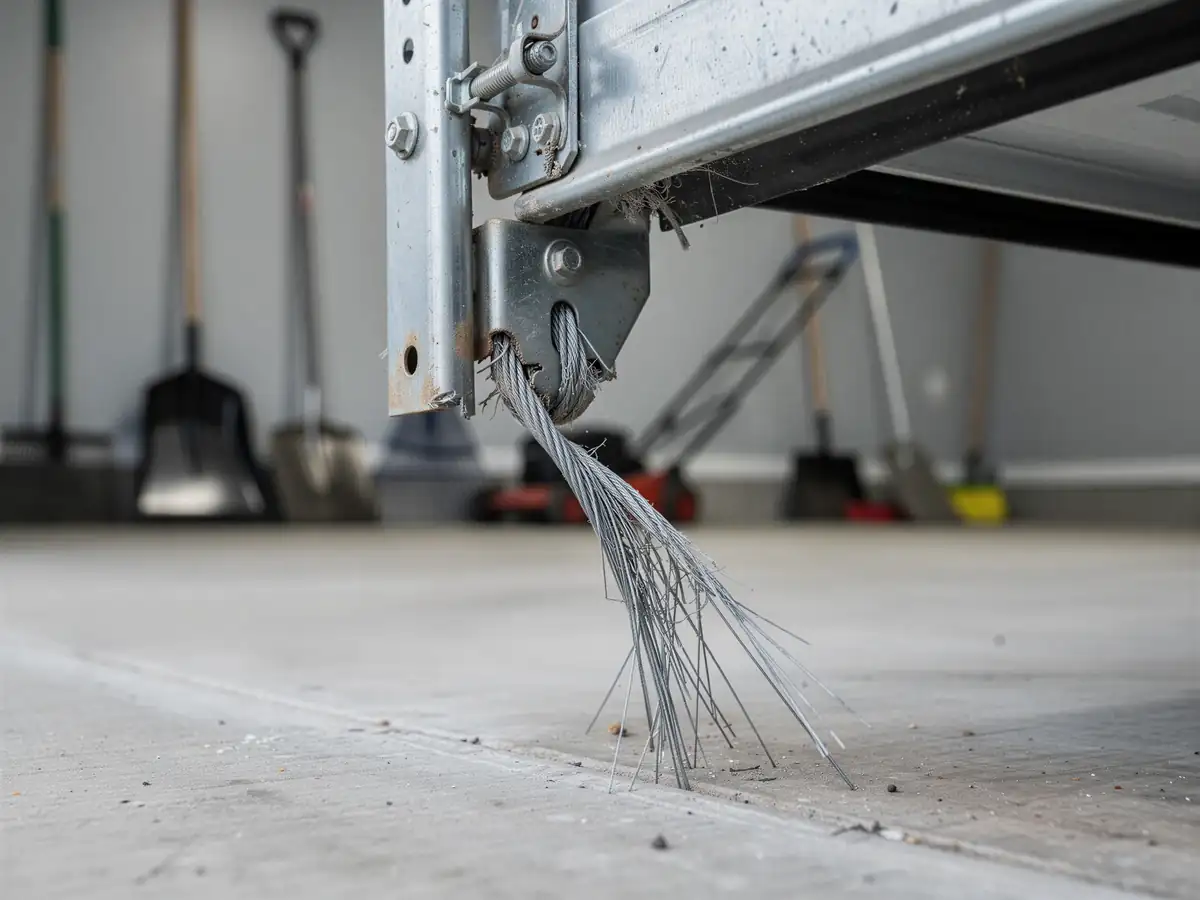
We drive out from Vancouver, about two miles, with the truck stocked for the springs, cables, and openers that actually show up on a service call out here. Minnehaha sits close enough that there's no half-day wait window tacked onto the job - we diagnose on arrival, show you the broken part, and quote before any work starts. Most calls are a torsion spring, a cable off the drum, or an opener logic board that's finally quit after running the same door for two decades. We carry common spring sizes and roller types for doors from the 1990s build era, since that's what's on most garages here. If a part is unusual - an odd-width track or a discontinued opener model - we'll say so rather than force a fix that won't hold. We don't replace a whole door assembly when a spring and a hinge kit will get you another decade out of the panels. That's the honest call more often than people expect.
What You Are Seeing
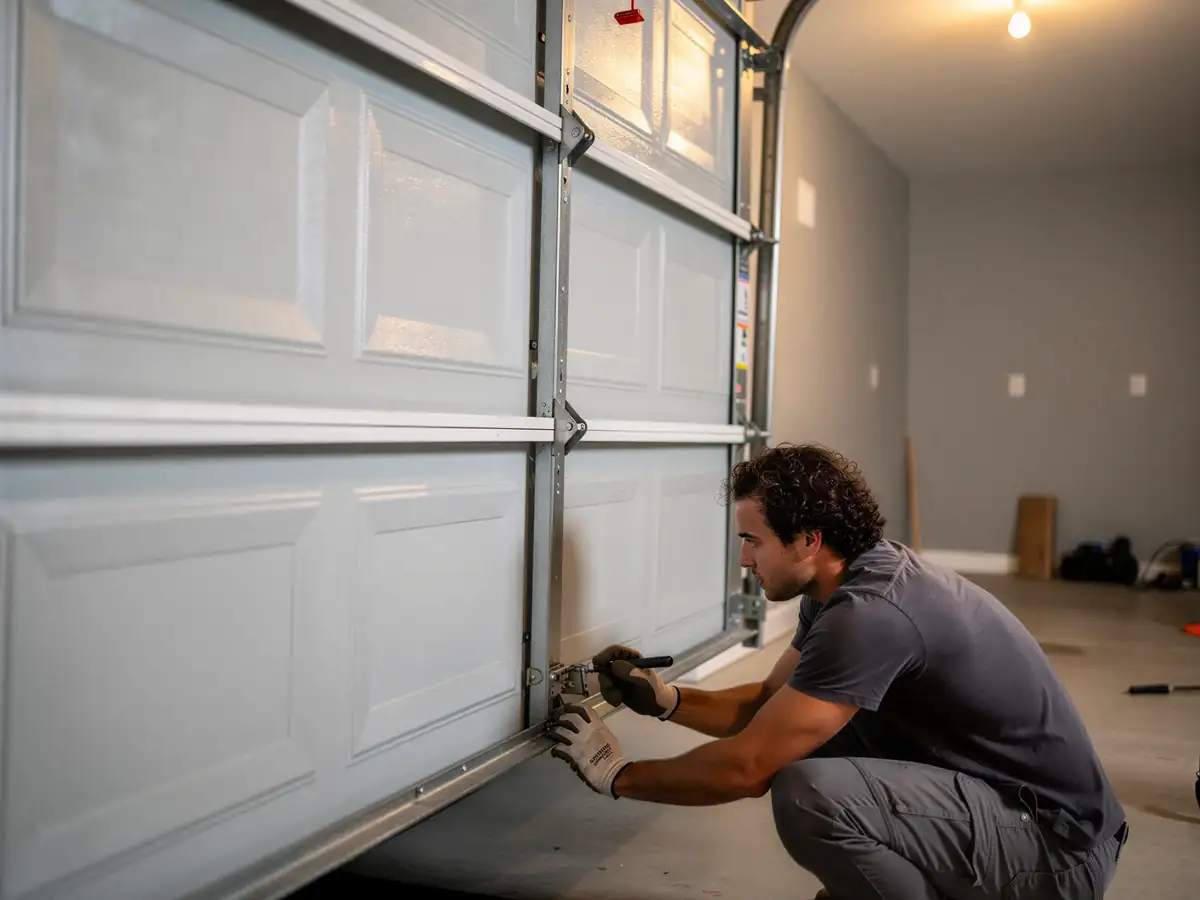
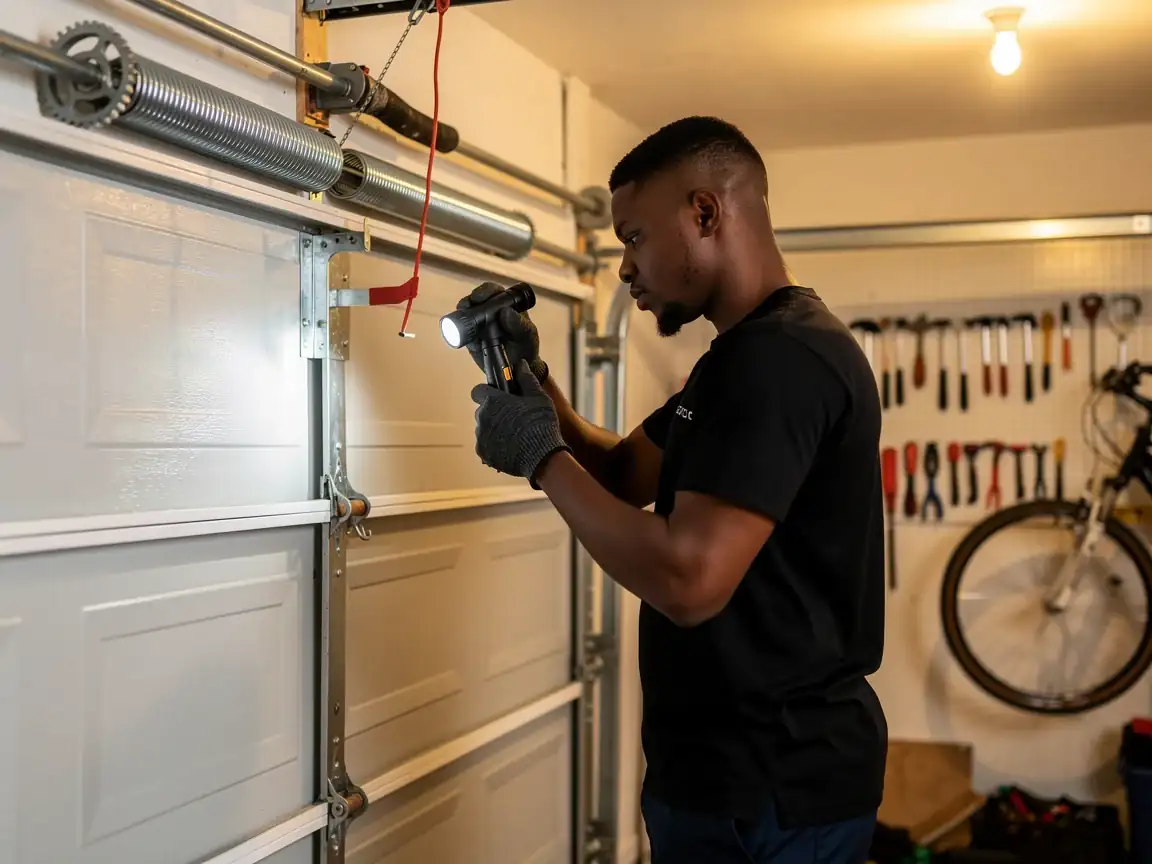
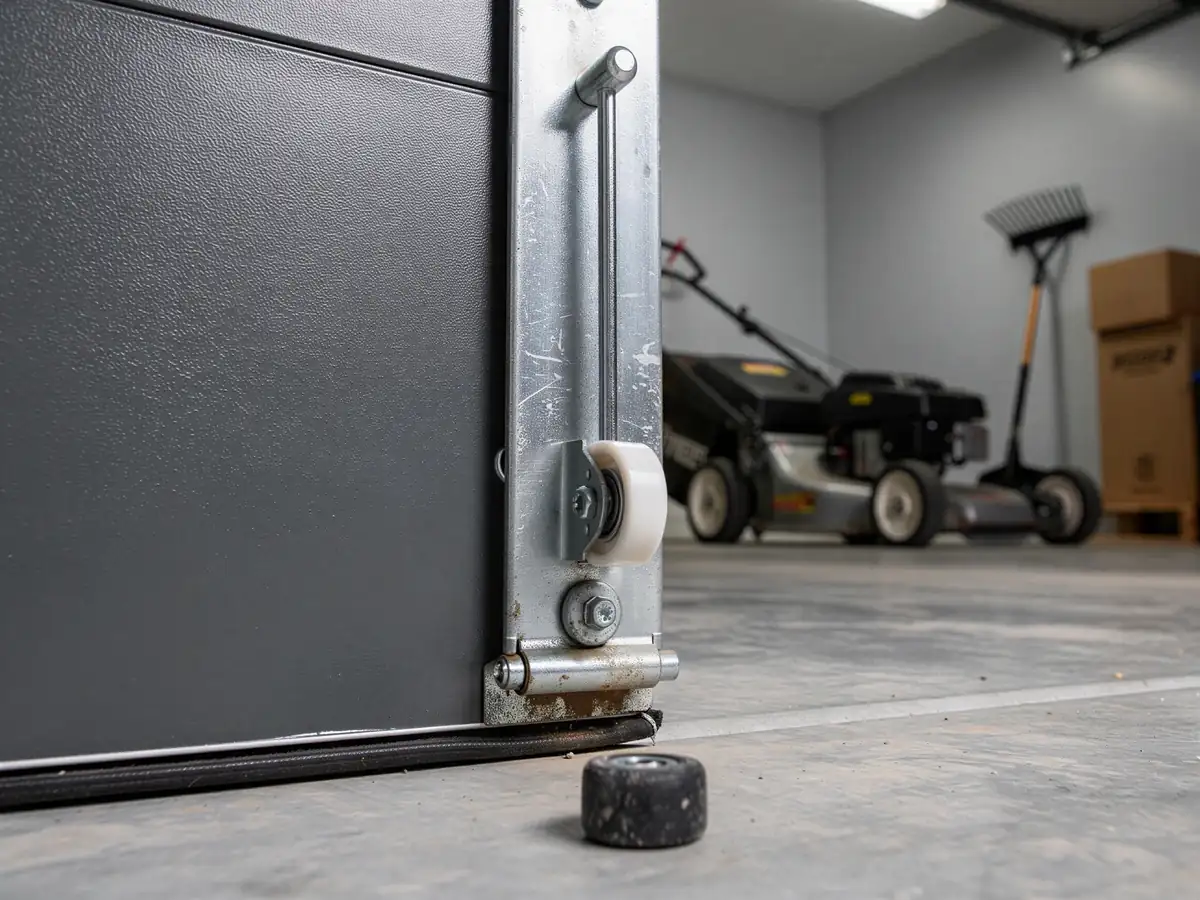
A door that slams the last six inches instead of settling is usually a spring that's lost tension - common once a torsion spring from a mid-1990s install passes the twenty-year mark. A door that reverses halfway up, or won't close at all and blinks the opener light, points to a sensor alignment issue or a worn opener board rather than the spring. Grinding or a loud pop when the door moves is often a roller that was never swapped out, still riding in the same track it shipped with. If the door is heavy to lift by hand and the opener strains before it gives up, that's the spring losing its counterbalance, not a motor problem - and replacing the opener alone won't fix it.
What Causes It Around Here
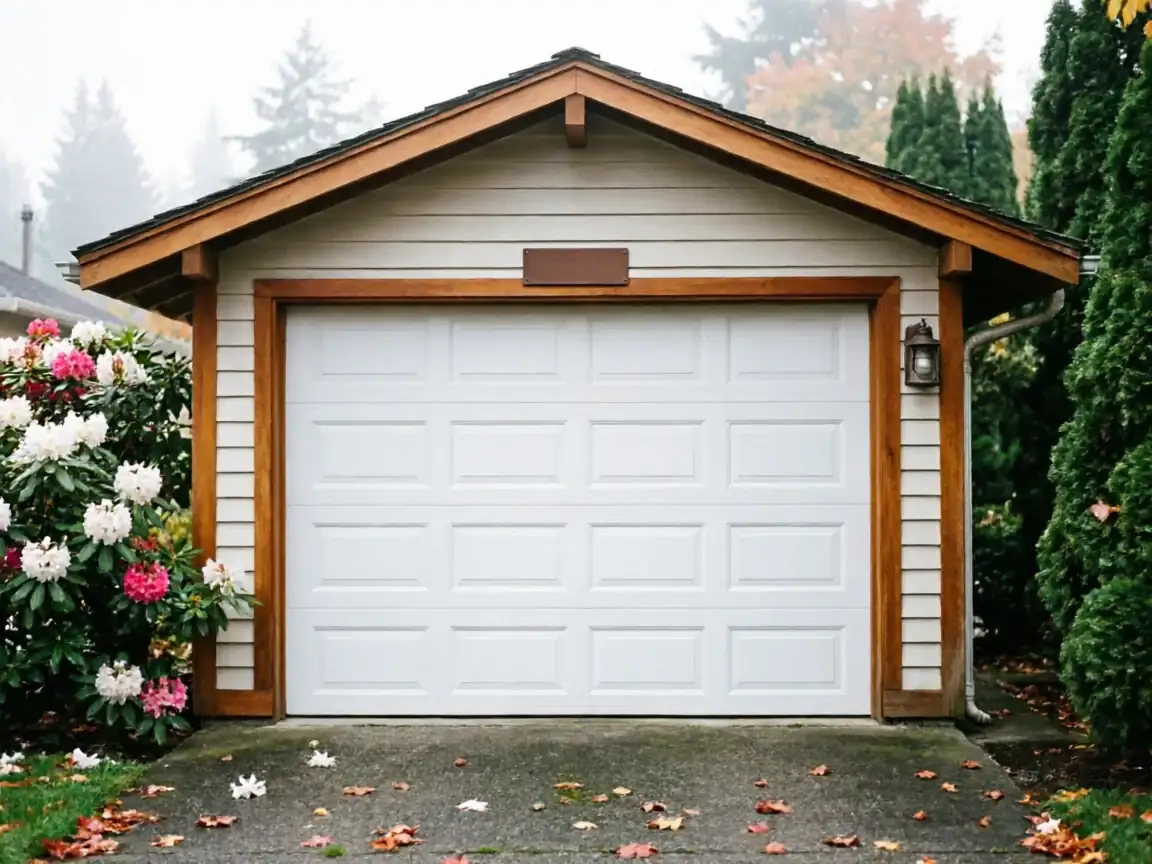
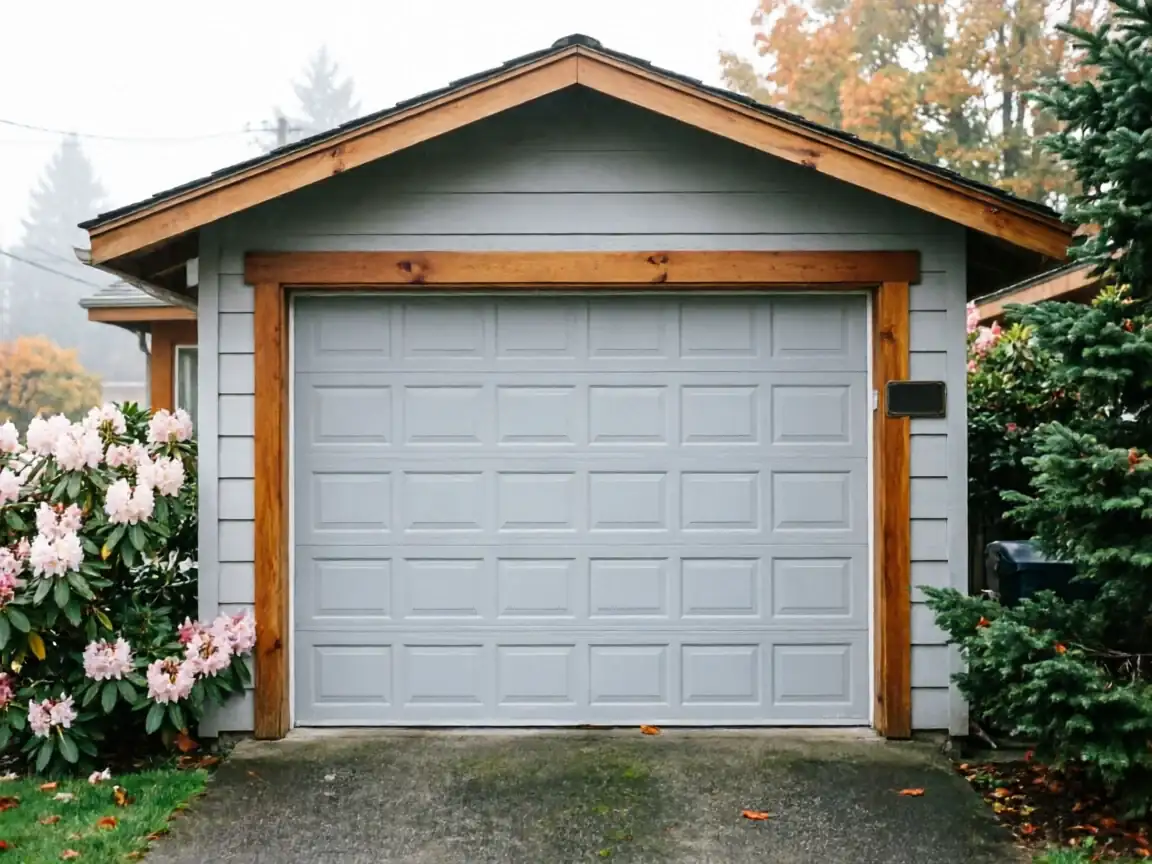
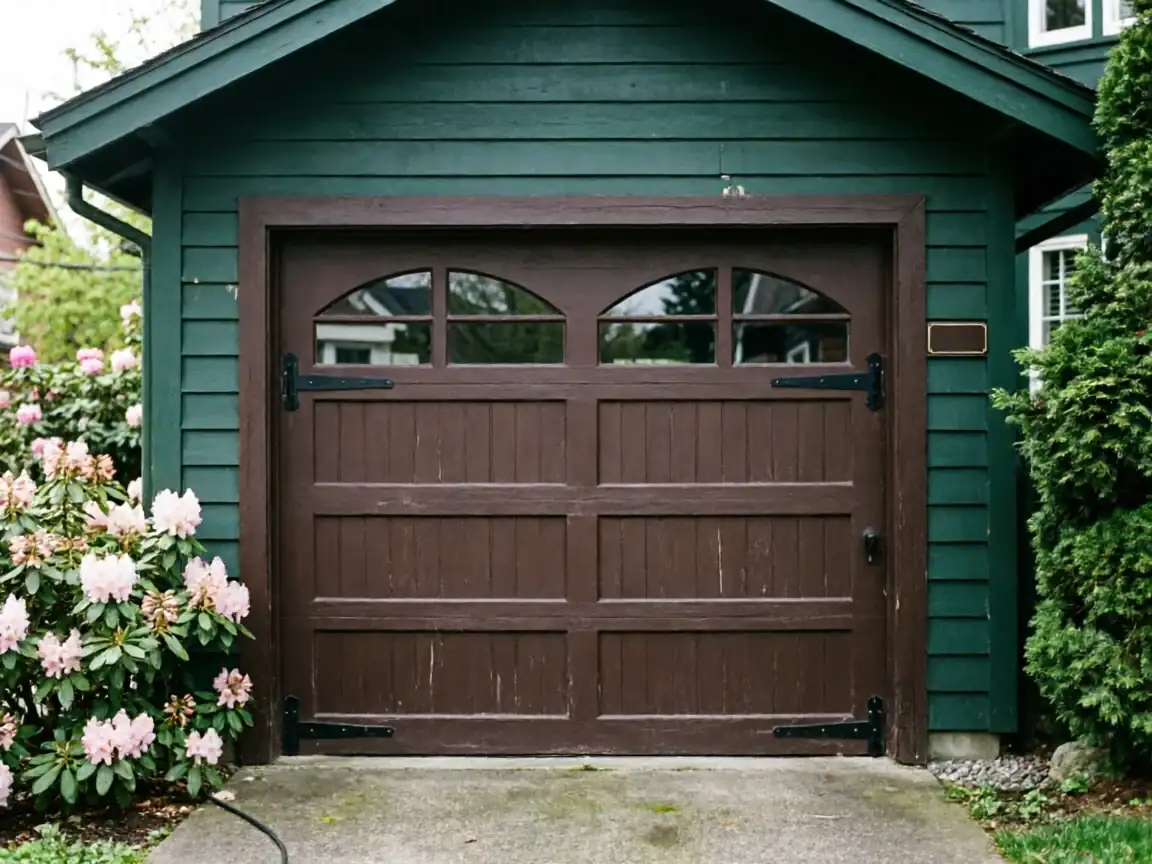
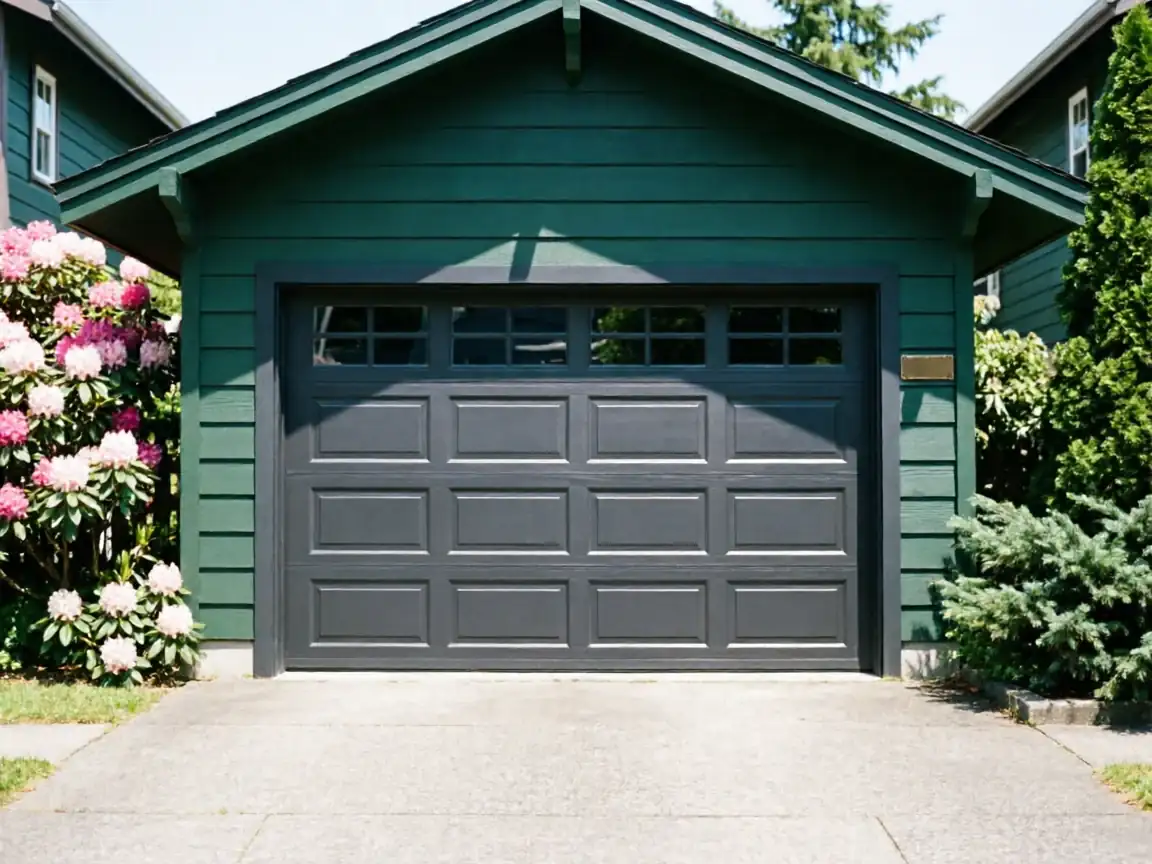
Minnehaha's housing mostly dates to around 1996, which puts it near the newer end of the broader 1977-2011 build range across the service area, where the typical house is a bit older, from 1994. That one-to-two-year gap doesn't sound like much, but it tells us which hardware generation we're dealing with before we even pull up to the garage: steel torsion springs on a standard 7-foot door, single-reinforced panels, and openers from the early chain-drive era if they haven't already been swapped once. The climate here is mild with occasional freeze, so we're not fighting the kind of hard freeze-thaw cycle that cracks concrete and throws off track alignment the way it does in colder regions - the wear here is closer to straightforward metal fatigue and lubricant that's never been touched since the day the house was built.
How Long You Are Without the Door
Once we're on site, most spring and cable jobs are done in under two hours - the door goes from stuck to working the same visit. Opener board or sensor repairs usually run similar timing, since the part either swaps in clean or it doesn't. The variable isn't the repair itself; it's whether the part on your door is still common. A standard torsion spring is a same-visit fix nearly every time. A discontinued opener model or an odd-size panel can mean ordering a part, which pushes the job to a second visit. We'll tell you on the spot which category your door falls into, rather than promise a one-visit fix and come up short.
What Can Go Wrong
The real risk with a door this age isn't the spring itself, it's what the spring was holding back. A torsion spring that snaps under load can whip a cable loose or bend a track bracket on the way down, and both of those cost more to fix than the spring would have alone. We also see openers that have been quietly compensating for a bad spring for months - straining to lift weight the spring should be carrying - which shortens the opener's life even though the opener was never the real problem. If a panel has started to sag or the bottom section has rusted through near the weatherstrip, a spring fix won't address that, and we'll tell you plainly when replacement makes more sense than another repair.
Booking a Visit
Call and tell us what the door's doing - slow to open, won't reverse, grinding on the way down - and we'll bring the right springs and parts for a door built around the mid-1990s, since that's what's typical here. Minnehaha is a short run from our Vancouver location, so there's no separate branch or crew to coordinate, just the same truck that covers the rest of the area. You can also see what else we cover nearby on the service area page, or check the full rundown of repair work we do across Vancouver on the garage door repair page.
How it works
From “it’s stuck” to “it’s fixed”
01
Tell us what’s wrong
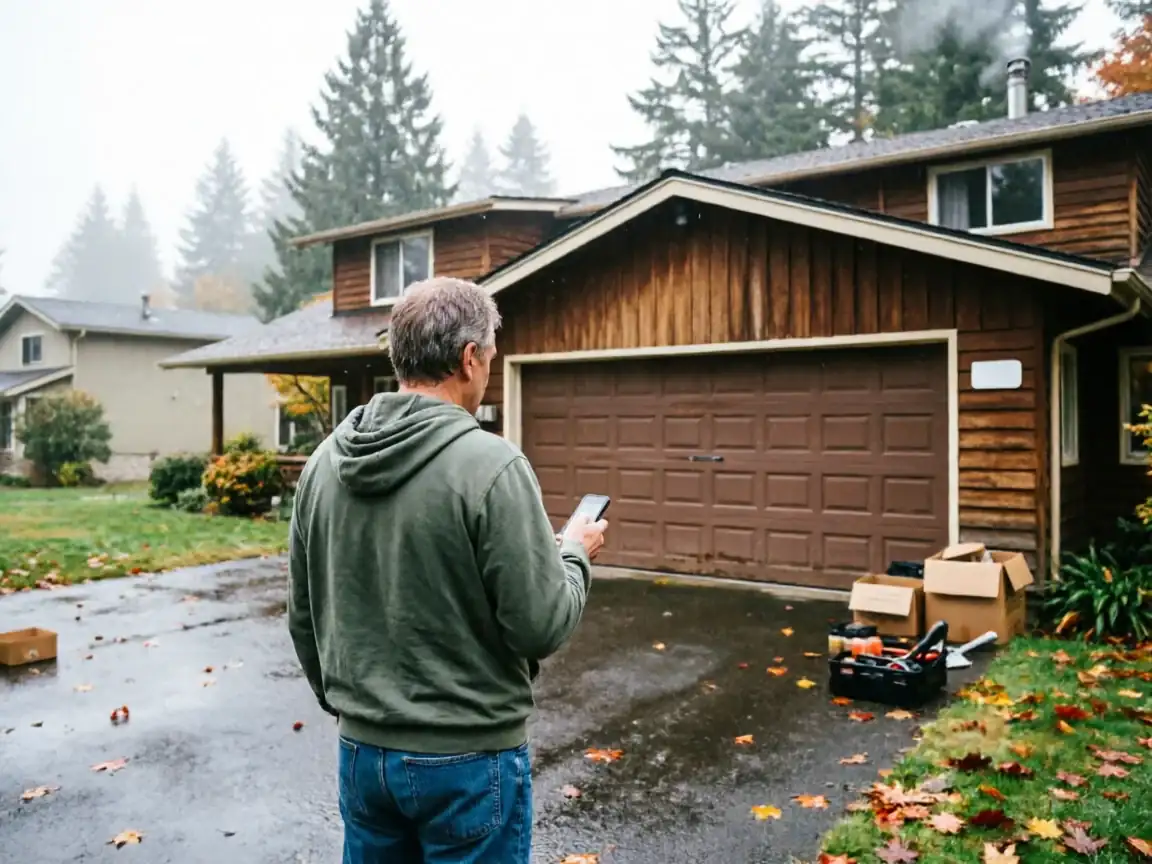
Describe the symptom - won’t open, loud bang, opener runs but the door won’t move.
02
On-site diagnosis
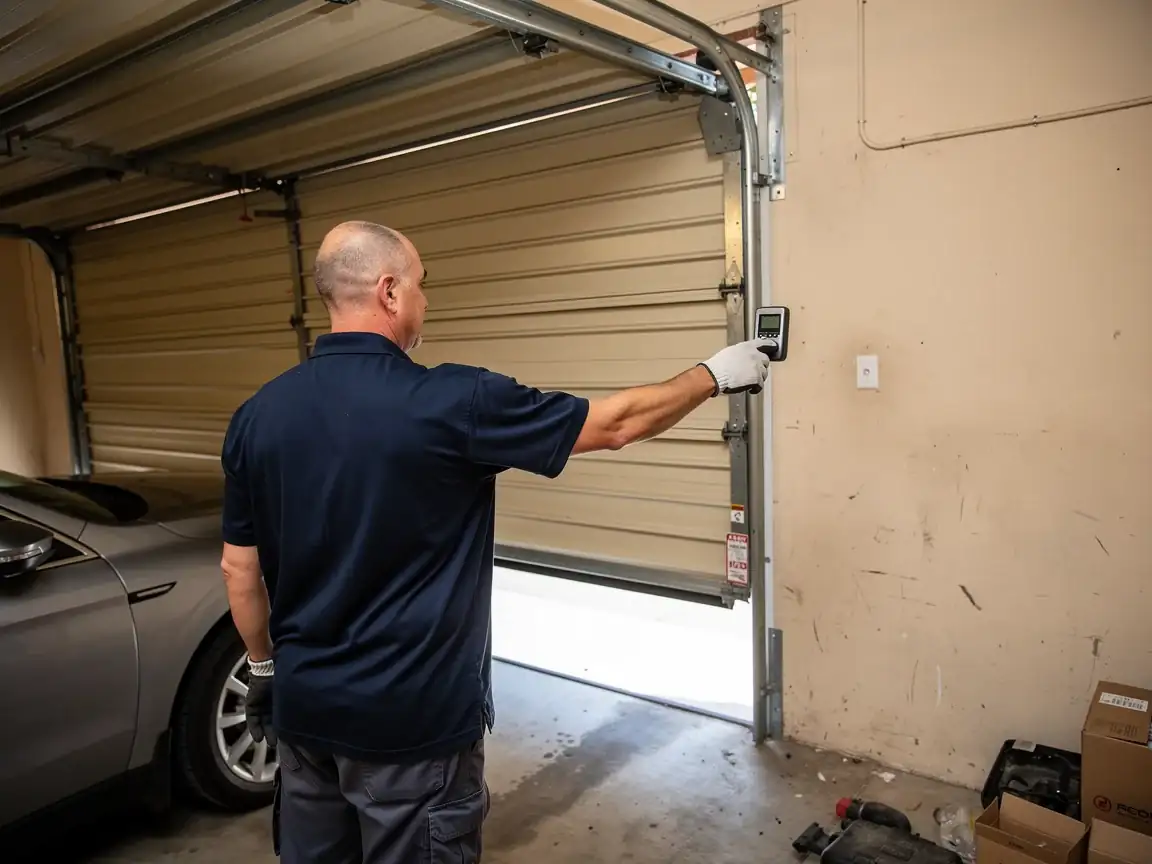
A technician tests the door under power and by hand and finds what actually failed.
03
Clear, up-front plan
You get the fix that’s needed and what drives the cost - before any work starts.
04
Repaired & tested
The repair is done, the door is set true and tested, and the work area left clean.
Not sure which repair your door needs in Vancouver, WA? Describe what it’s doing - every job starts with a diagnosis.
Straight answers about garage door repair in Vancouver. Still unsure? Ask us directly.
How old is a typical garage door in Minnehaha?
Most houses here were built around 1996, so the original door and torsion spring, if untouched, are close to thirty years old. That's well past the usual service life of a torsion spring, which is why spring failure is the most common call we get from this area.
Do you have a branch in Minnehaha?
No. We run out of Vancouver and cover Minnehaha as part of that service area - it's about two miles out, so there's no separate dispatch delay built into the drive.
Is a snapped spring an emergency?
It's not dangerous to leave overnight if the door is already down, but don't try to lift it manually or run the opener - that can bend the track or snap a cable. Leave it closed and call.
Will you just replace the whole door instead of repairing it?
Only if the panels themselves are damaged, rusted through, or the door is outdated enough that parts aren't available. For most spring, cable, and opener issues on houses from the 1990s era, a targeted repair is the right call, not a full replacement.