
How far out is Hazel Dell from your shop?
About 4 miles from our Vancouver location. It's one of the closer calls we run, which usually means less dead time getting to you and more time left in the visit to actually fix the door.
Garage door repair for Hazel Dell homes built mostly around 1988. Vancouver Garage Door Co runs the 4-mile call and knows the hardware this stock uses.
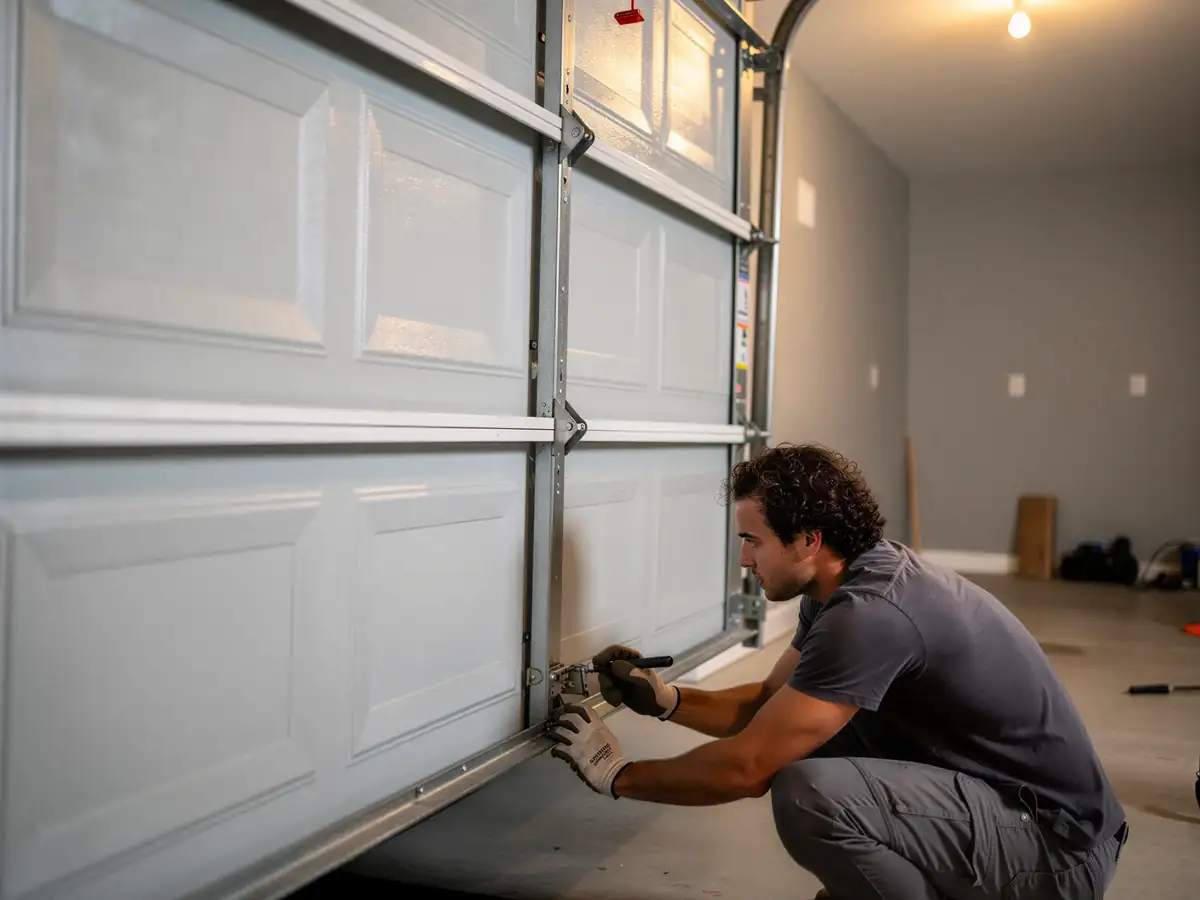
Hazel Dell sits about 4 miles from our Vancouver shop, which is close enough that a broken spring or a dead opener doesn't turn into an all-day wait just because of where you live. The drive itself is short - it's not Battle Ground or La Center, where the truck is on the road for a while before it even gets to the job. That distance matters more than it sounds like it should: a tech who's spent twenty minutes driving still has a full afternoon left to actually work, instead of burning it getting to you and back.
What decides how long you're stuck with a door that won't open isn't the mileage, though - it's what's wrong and what the job needs. A snapped torsion spring on a standard double door is often a same-visit fix once we're there, parts on the truck. A stripped opener gear or a cable that's jumped the drum takes about the same. Where it stretches out is bent track that's pulled away from the jamb, or a panel that needs ordering in a size the stock trucks don't carry - that's a return trip, not a long first one. We'll tell you straight which kind of job you've got before we start, not after.
We don't run a branch out of Hazel Dell - every call here gets dispatched from the Vancouver shop, same as it is for Minnehaha two miles off or Five Corners four miles the other direction. That's worth knowing because it means scheduling is about truck routing, not about which neighborhood you're. Tell us what the door is doing - won't open, opens partway and stops, grinding noise, opener light blinking - and we can usually tell you over the phone whether it sounds like a spring, a sensor, or something electrical.
Hazel Dell runs together with sits close to so if you're not sure which name your address falls under, don't worry about it - the address is what we route on, not the neighborhood label. Give us a cross-reference if you've got one, and skip the landmark description if you don't; we don't need it to find you.
With a median build year around 1988 - newer than a lot of the older Vancouver-area neighborhoods, but old enough now that original hardware is wearing out on its own schedule. That era typically means extension or torsion springs rated for a steel sectional door, galvanized track, and an opener that's been swapped at least once by now since 1988-era units are long past their service life.
Which is kinder to doors than a true cold-winter zone but still means moisture and the occasional freeze cycle work on unsealed bottom seals, exposed springs, and any rust that's gotten a start on hinges or track bolts. We see more corrosion-related wear here than we see catastrophic cold-snap failures - rollers that have gone stiff, cable ends rusted into the drum, hinges that have seized rather than sheared. None of that is dramatic, but it's the kind of slow failure that ends in a door that suddenly won't move at all.
For a neighborhood built mostly in the late '80s and into the '90s, the parts that fail most are springs, rollers, cables, and openers - standard stuff, and we stock the common torsion spring sizes and steel rollers on the truck for exactly that reason. Opener boards and logic circuits from that era are mostly obsolete, so if your original unit from the '80s or '90s finally dies, we're not reviving the old brain - we're putting in a current opener that bolts to your existing rail in most cases.
Where we run into lead time is specialty panels - a custom insert, an odd color, a discontinued profile - and insulated sections for doors that were upgraded at some point past their original build. Those get ordered, not carried. If a single panel's cracked or dented and the rest of the door's sound, we'll tell you if a patch panel exists for your model or if you're better off waiting a few days for the real part instead of getting talked into a full door you don't need yet.
We don't have a Hazel Dell-specific price list - pricing runs off the part and the labor, not the zip code, so a broken spring costs the same whether the truck's four miles out or further. What does vary by neighborhood is the kind of job that shows up most. Around here, with income levels a bit below the wider service area average, we see more repair calls and fewer full-door replacements than in some other neighborhoods - people fixing what's there rather than swapping it out, and that's often the right call on a door that's only 30-some years old with good bones.
We're not going to quote a number without seeing the door or at least hearing exactly what it's doing, because a seized opener and a broken spring aren't the same bill. What we will do is tell you honestly when a repair isn't worth it - if the whole door's rusted through or the track's bent beyond straightening, patching it is just delaying a replacement you'll pay for twice.
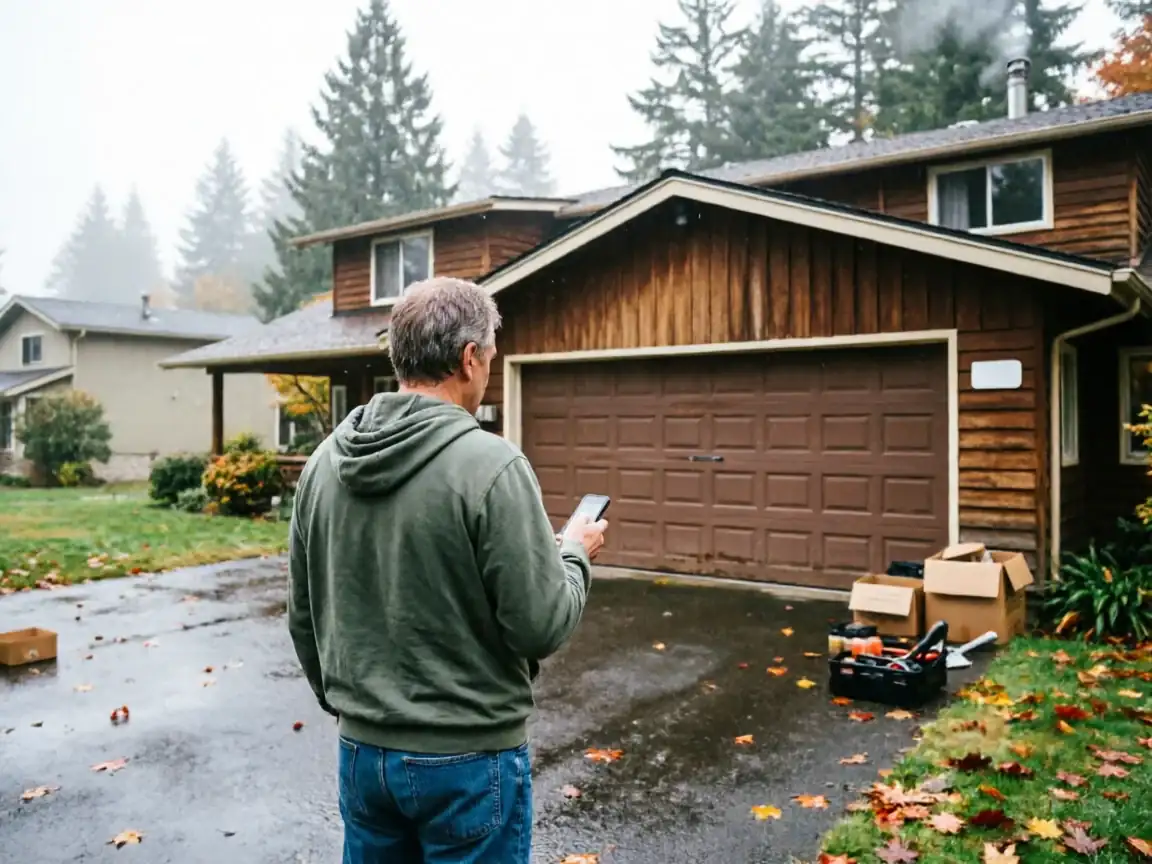
Describe the symptom - won’t open, loud bang, opener runs but the door won’t move.
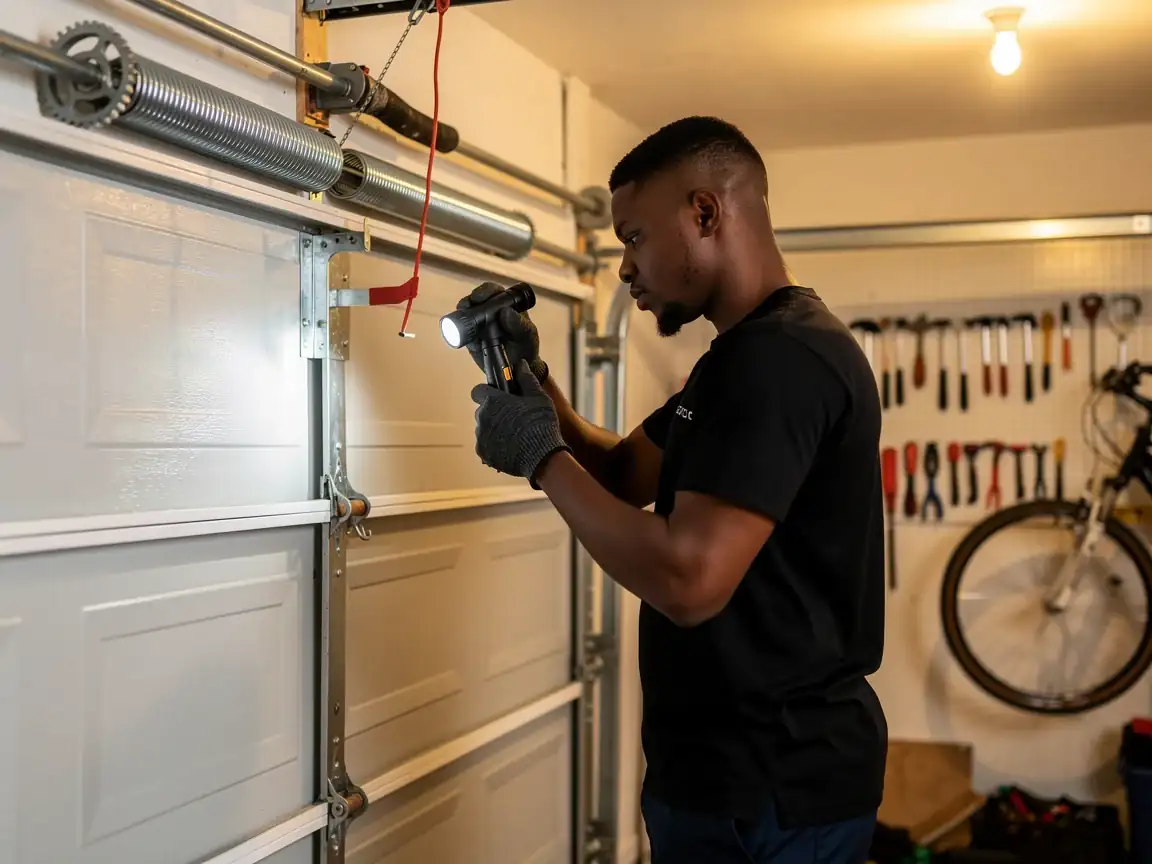
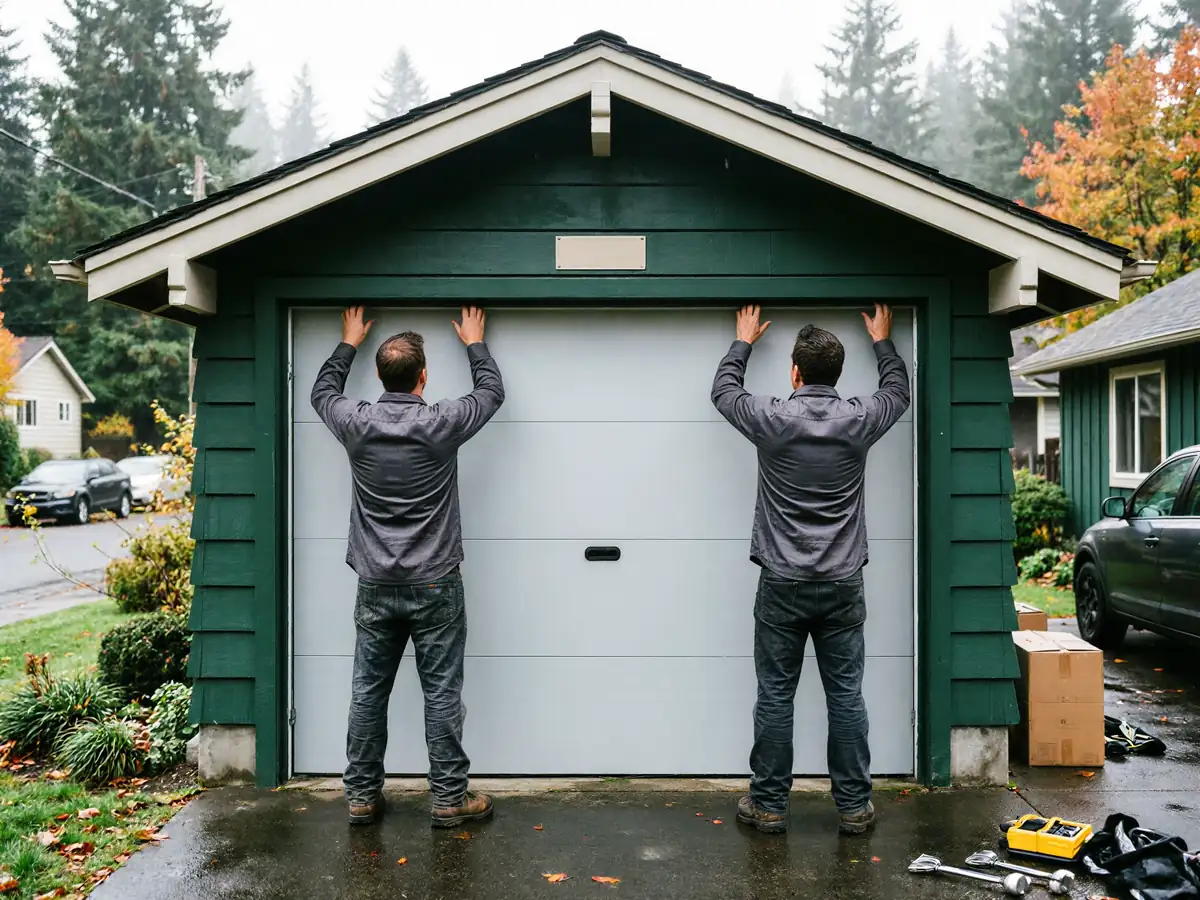
A technician tests the door under power and by hand and finds what actually failed.
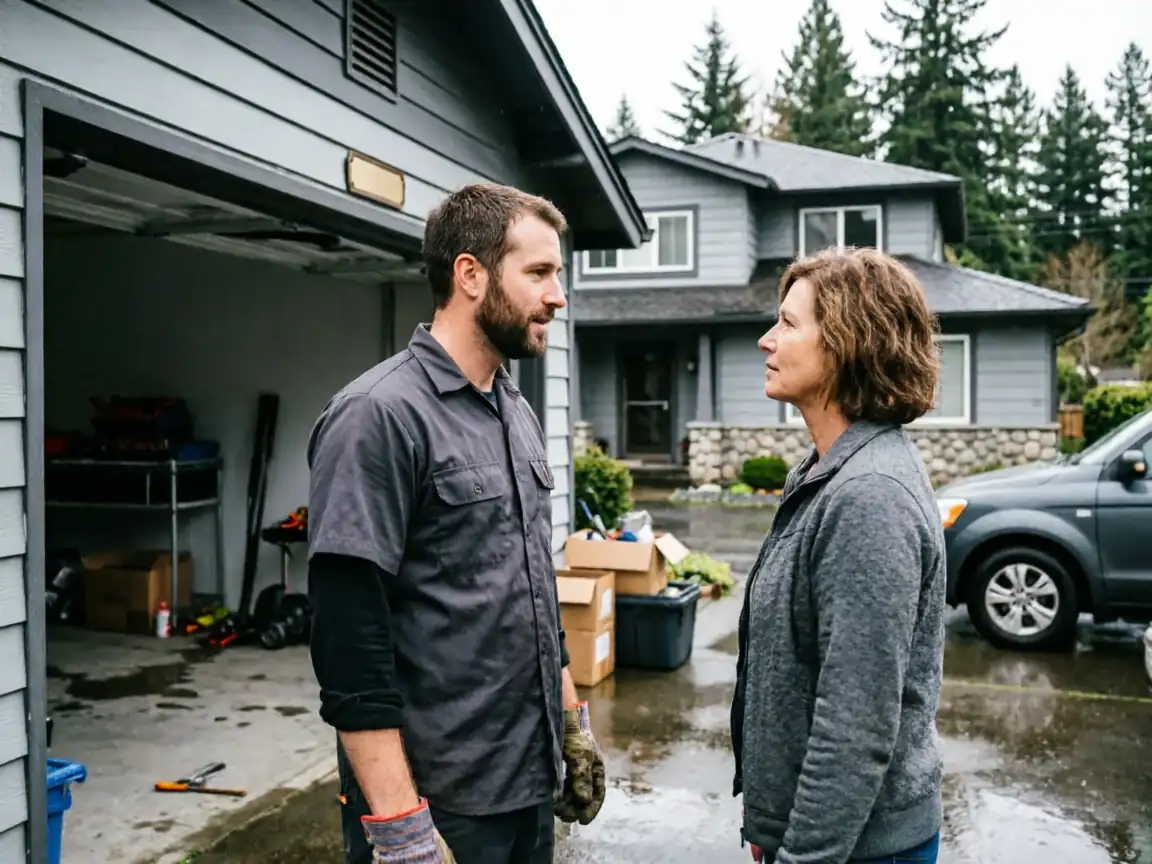
You get the fix that’s needed and what drives the cost - before any work starts.
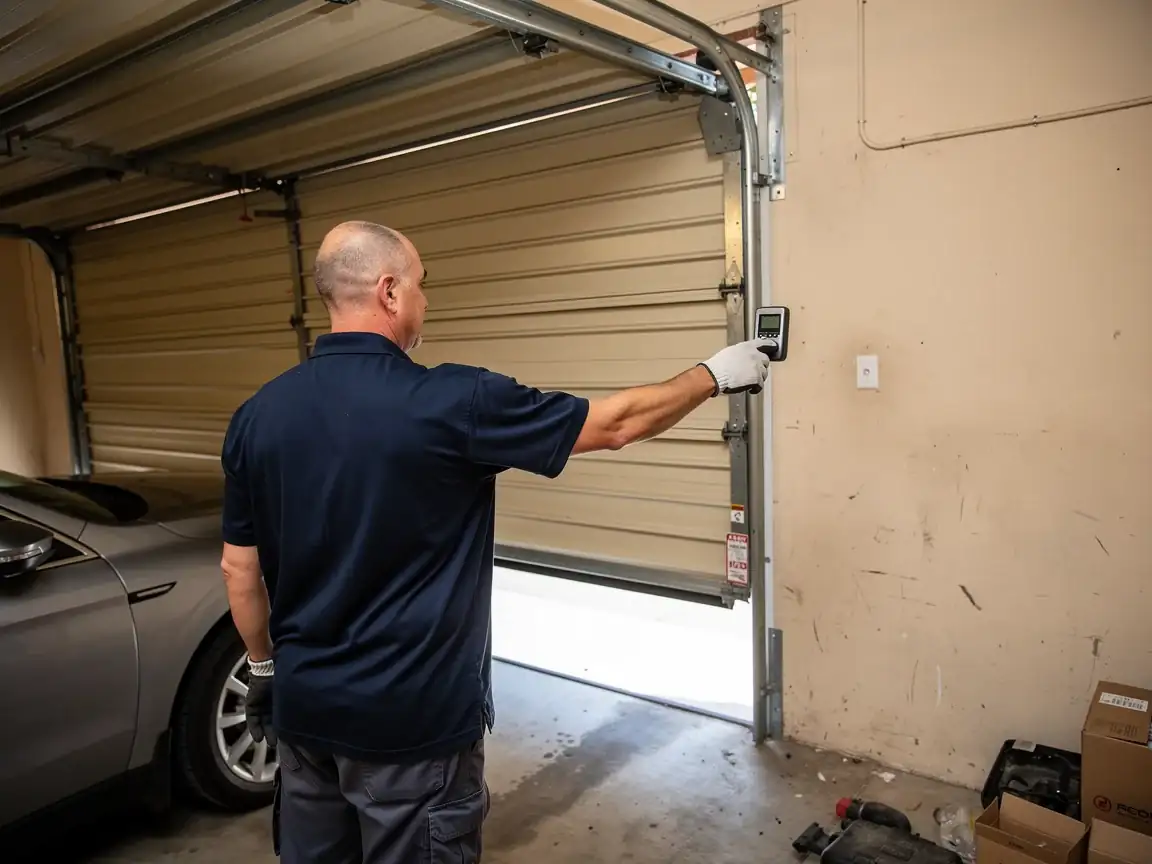
The repair is done, the door is set true and tested, and the work area left clean.
Illustrative styles - sectional, insulated steel, carriage, and commercial doors.
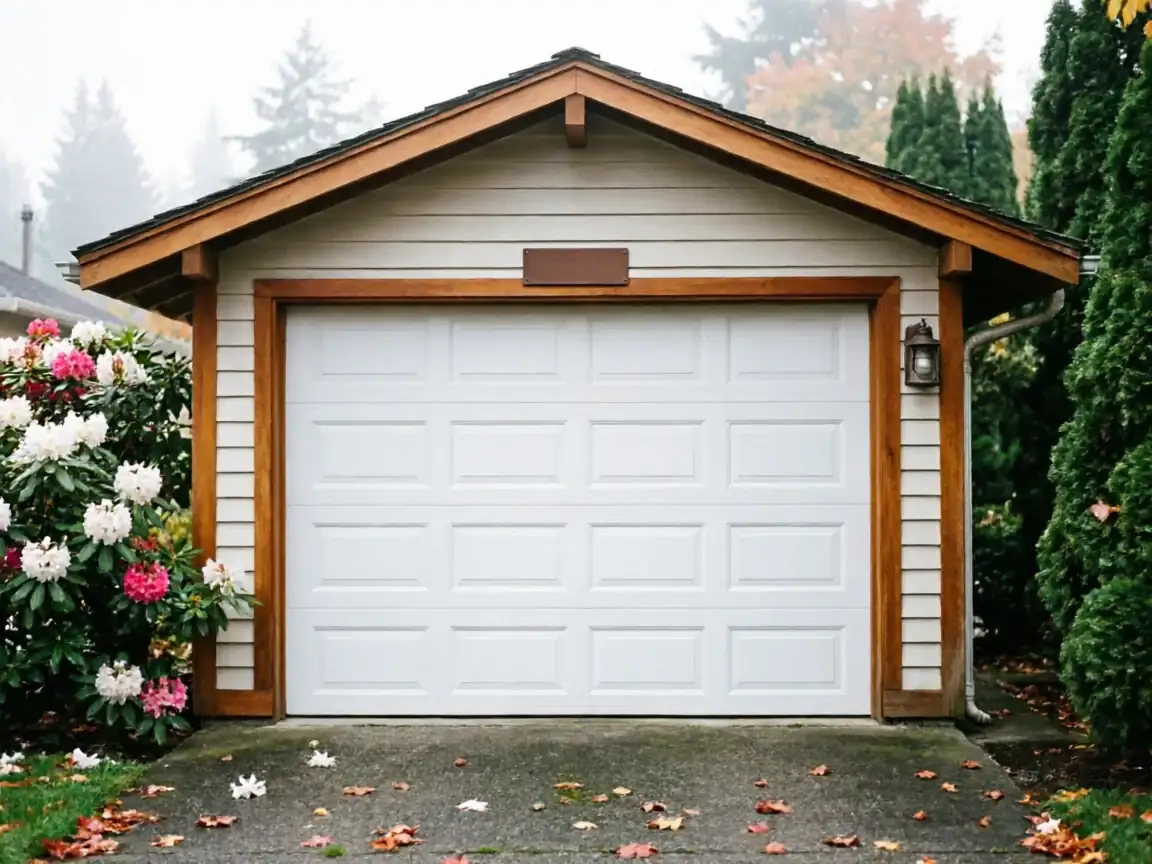
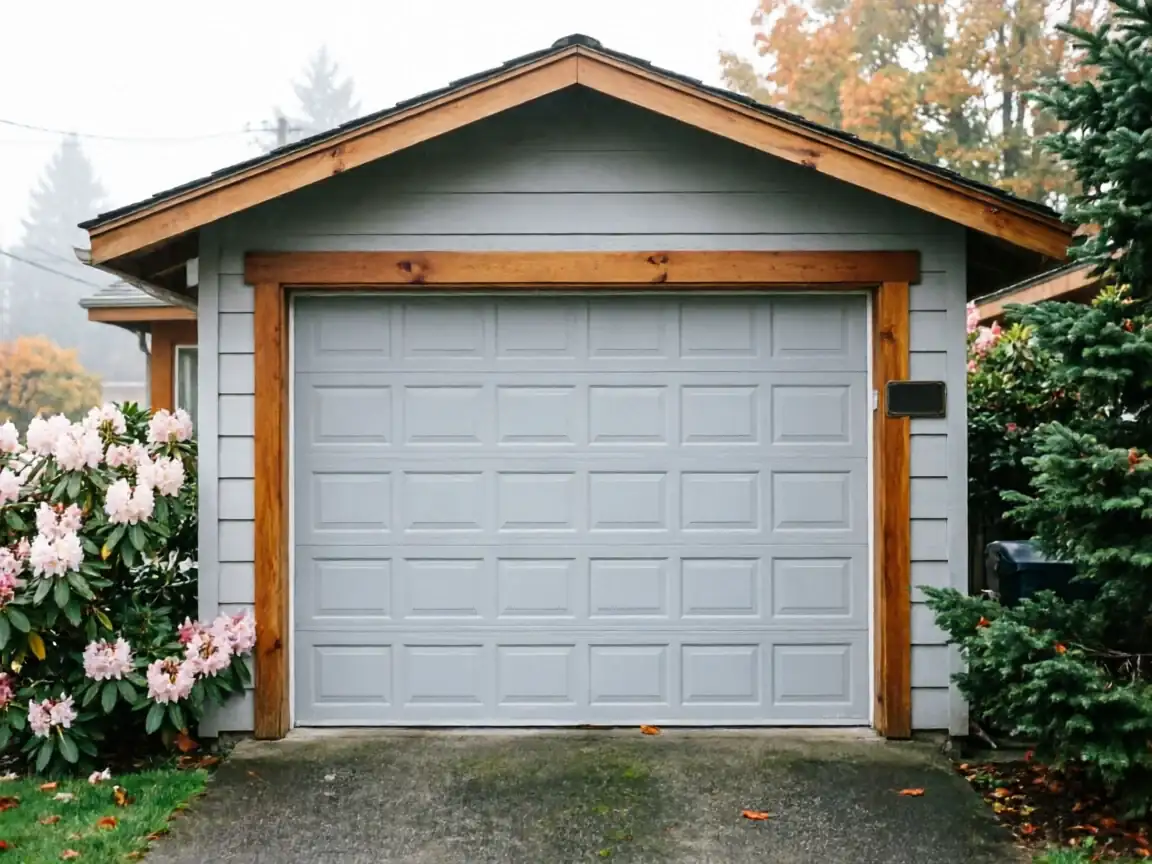
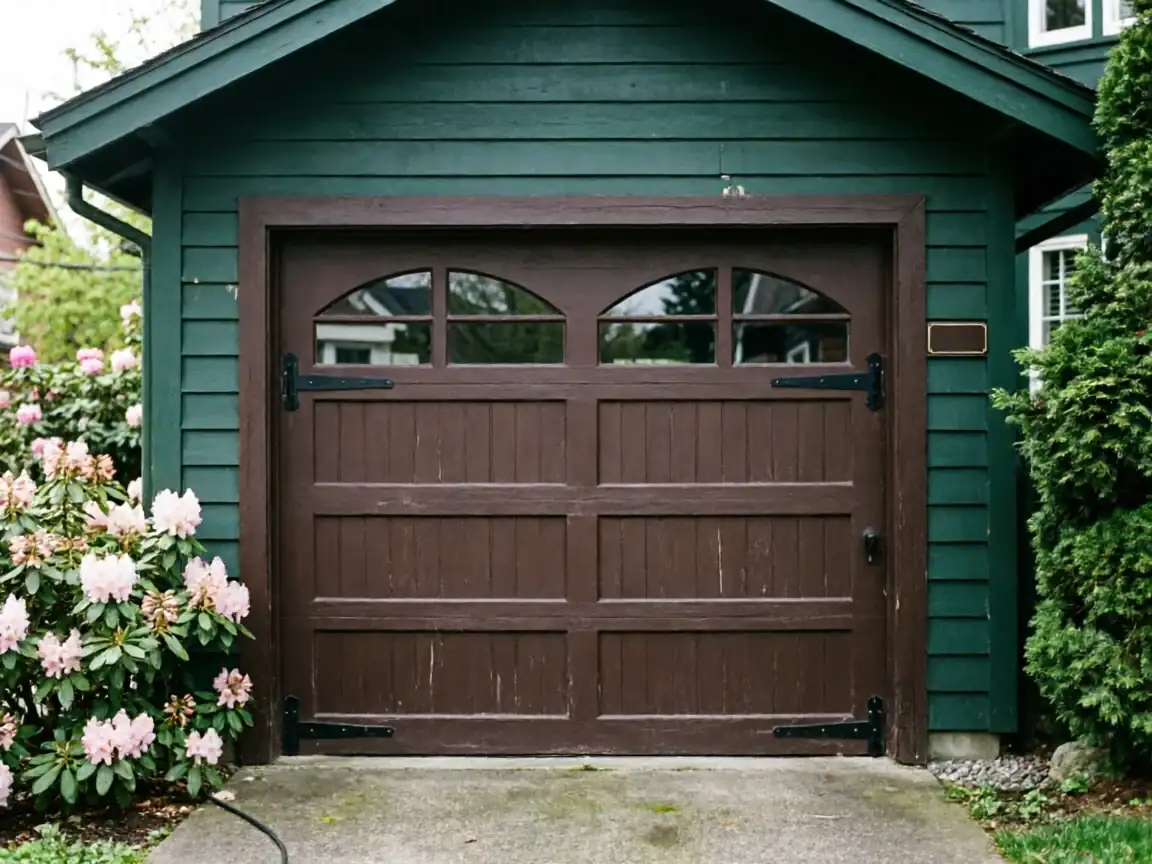
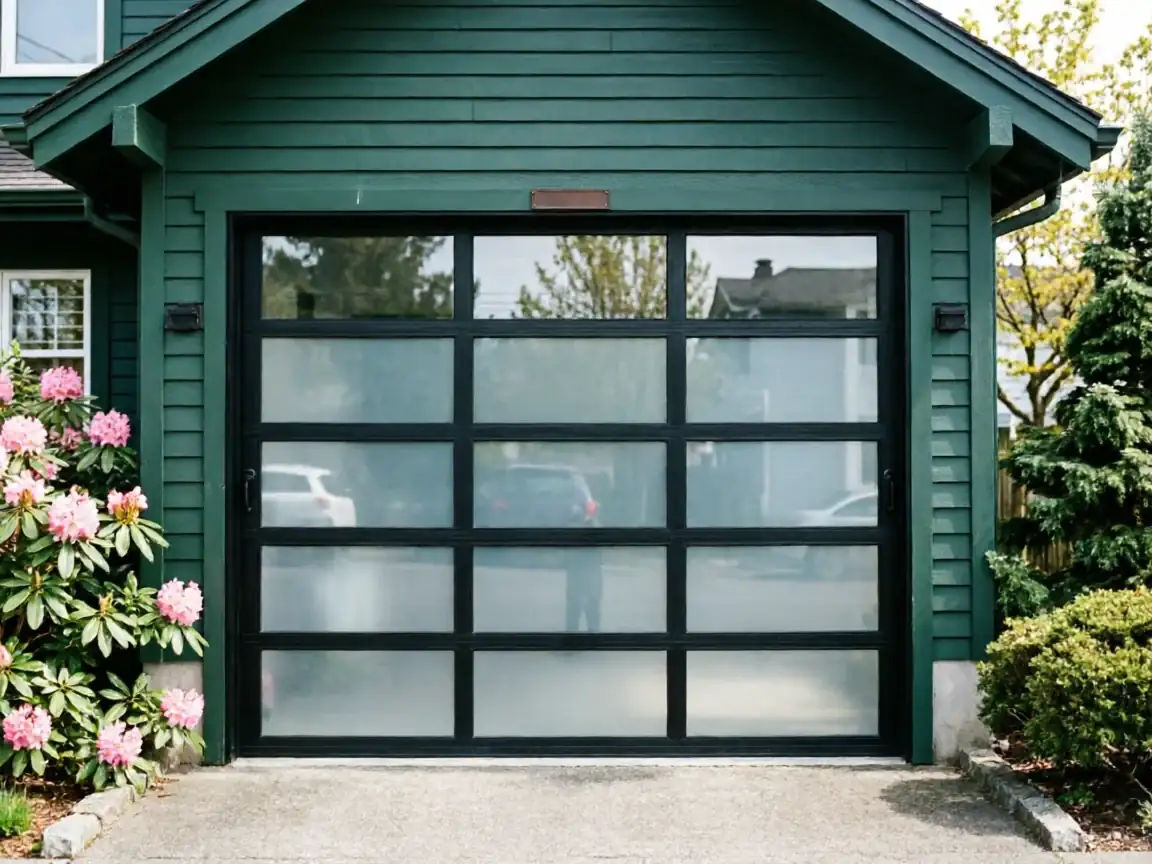
Other work we do for Hazel Dell homes - each page covers that job for Hazel Dell specifically.
Hazel Dell homes run about $78,958 median income, lower than the wider service area, which changes the install math. See what that means for your door.
Learn more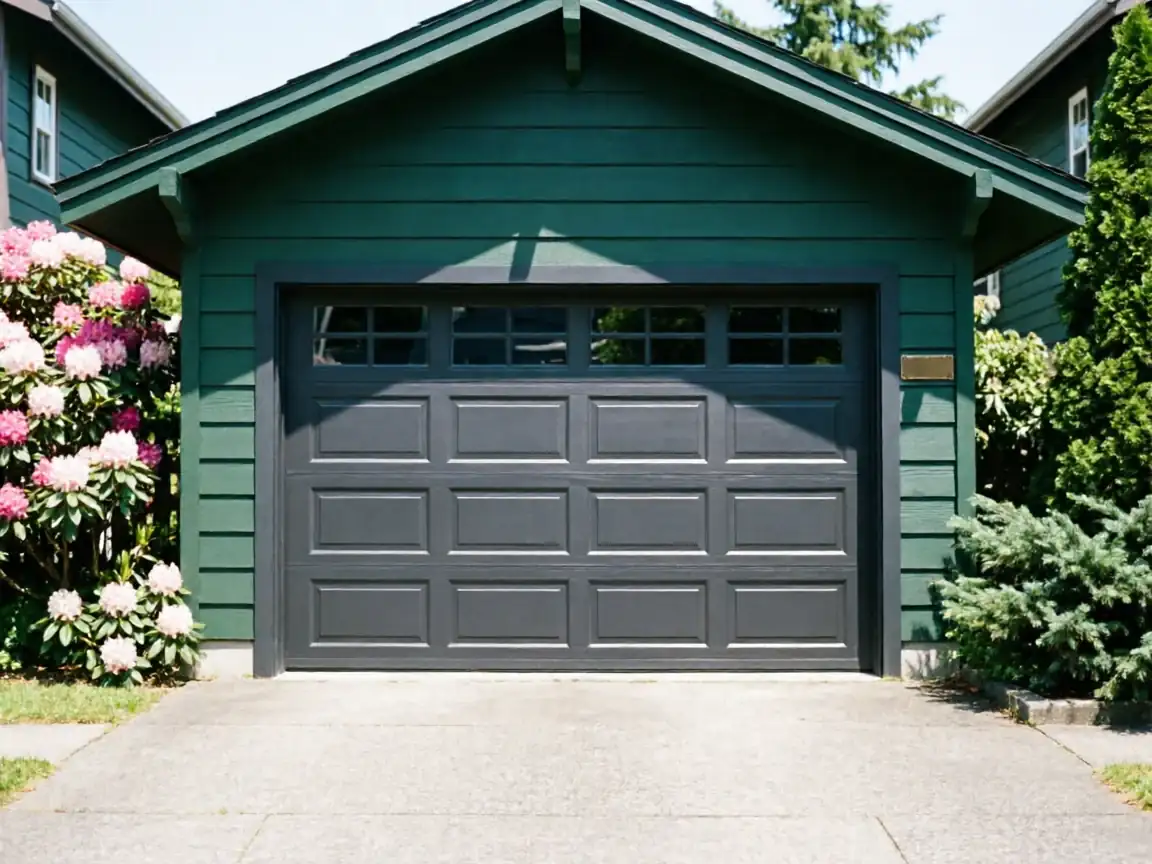
Hazel Dell homes mostly date to the late 1980s, which means specific spring and opener failures. Vancouver Garage Door Co drives the 4 miles out for repairs and installs.
Learn more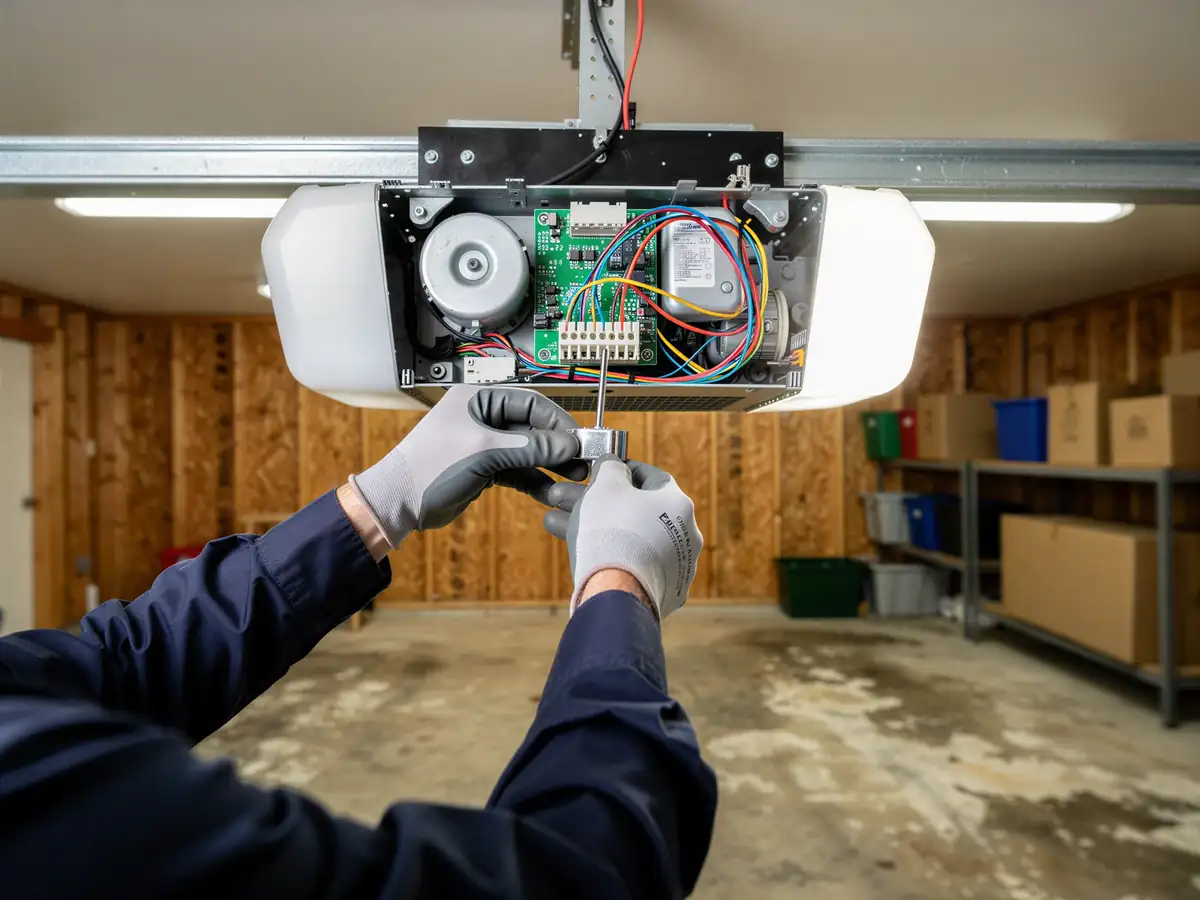
Openers in Hazel Dell's 1988-era homes wear out on original chain-drive units. We diagnose and repair from our Vancouver shop, 4 miles out, same trip.
Learn more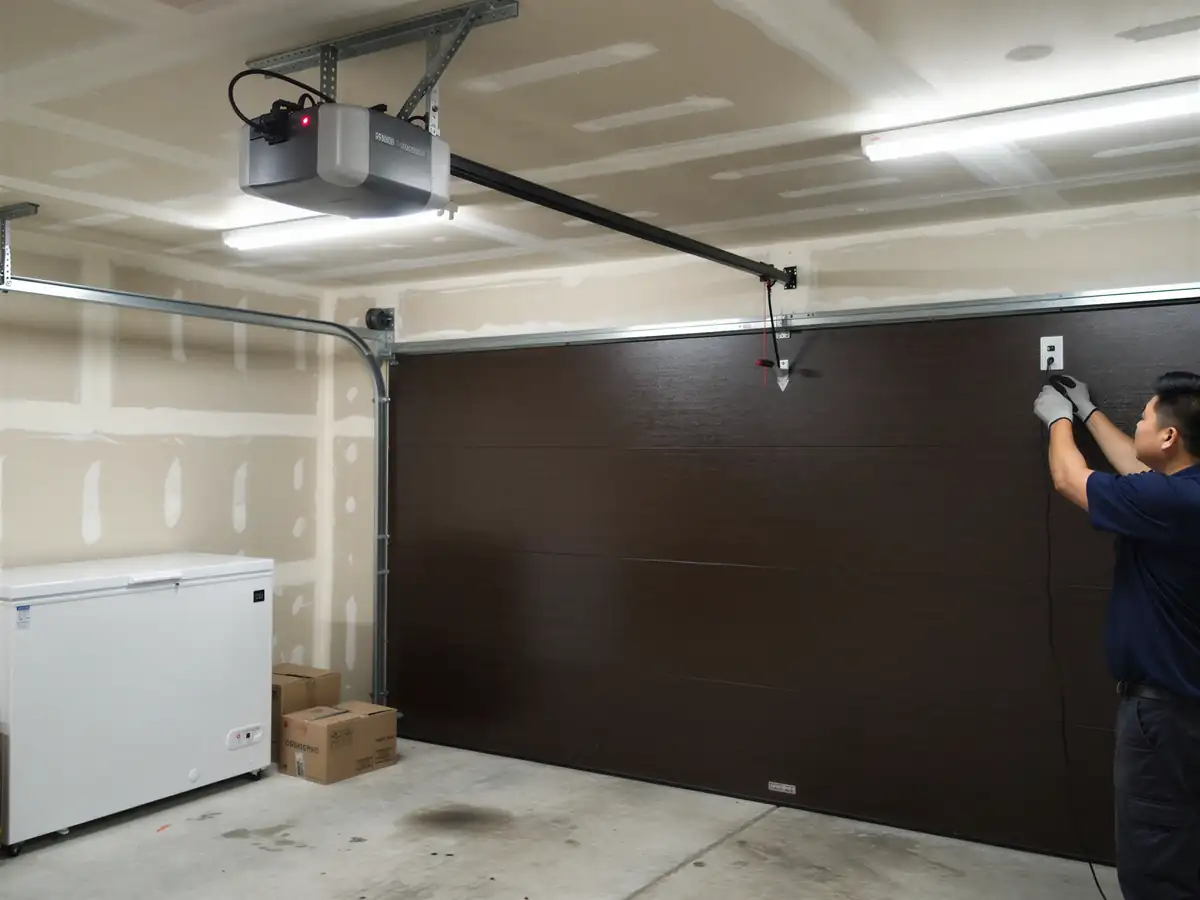
Hazel Dell homes went up around 1988, and a lot of original chain-drive openers are still running. We install new openers here, 4 miles from our Vancouver shop.
Learn more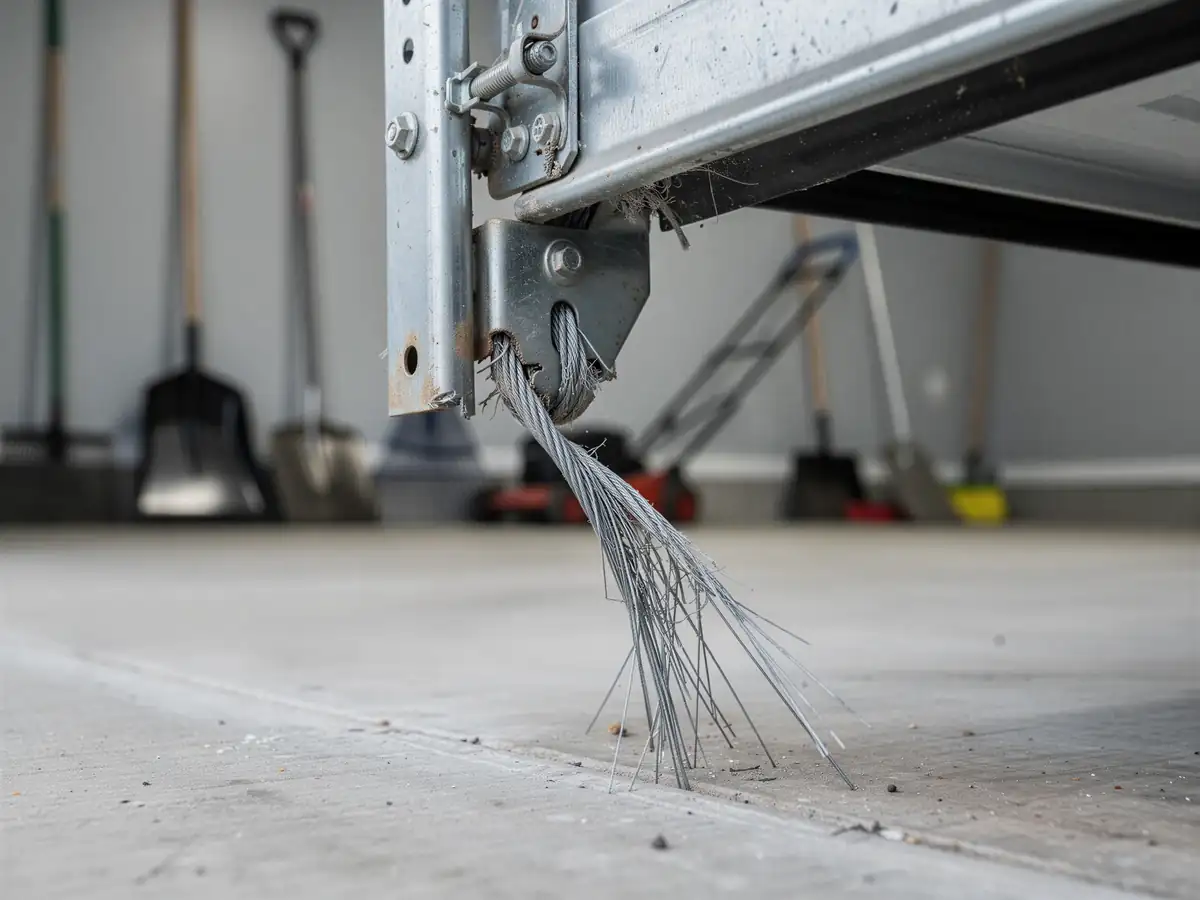
Hazel Dell homes went up around 1988, a few years ahead of the service area's 1994 median - meaning older cable and drum setups. We drive the 4 miles from Vancouver to fix them.
Learn more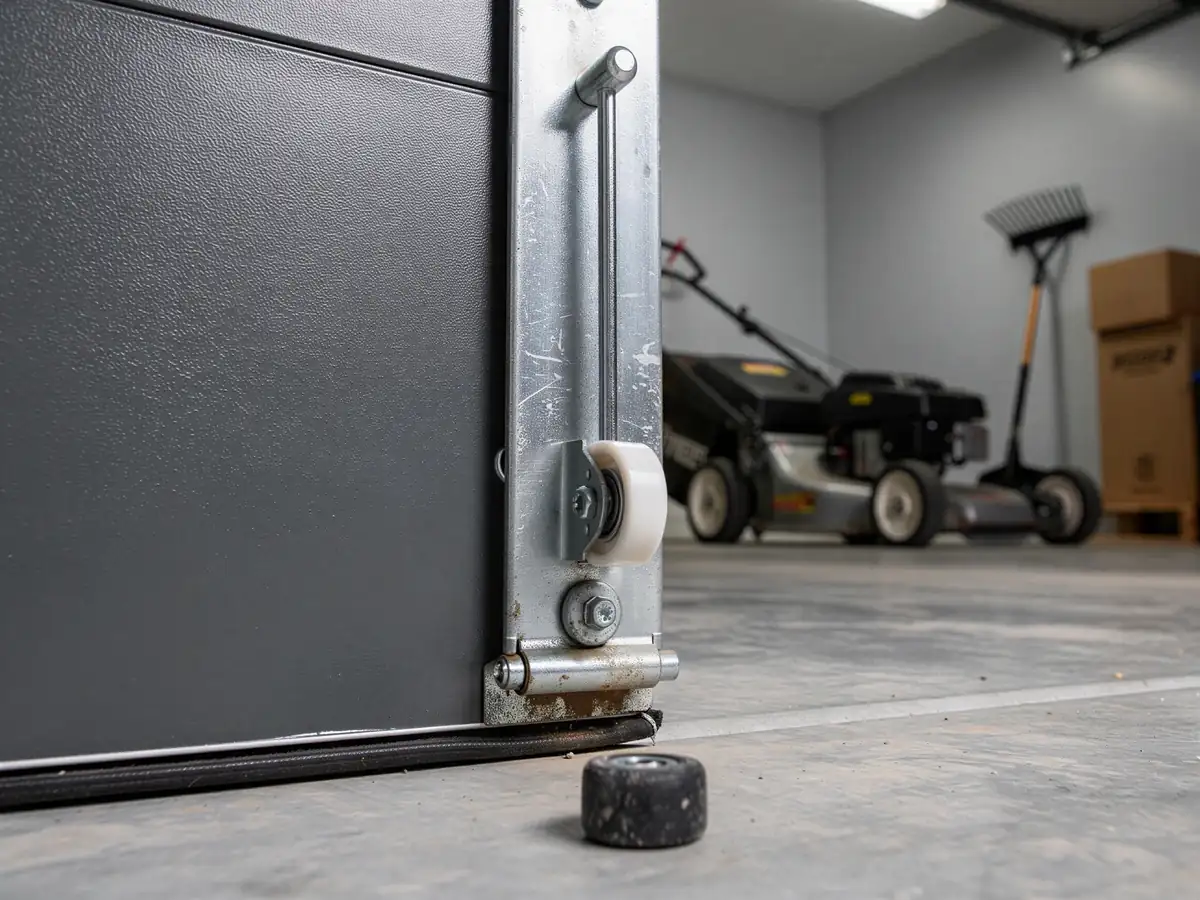
Most Hazel Dell homes went up around 1988, which means steel rollers on steel track that have had three decades to wear. We replace them, traveling the 4 miles from Vancouver.
Learn more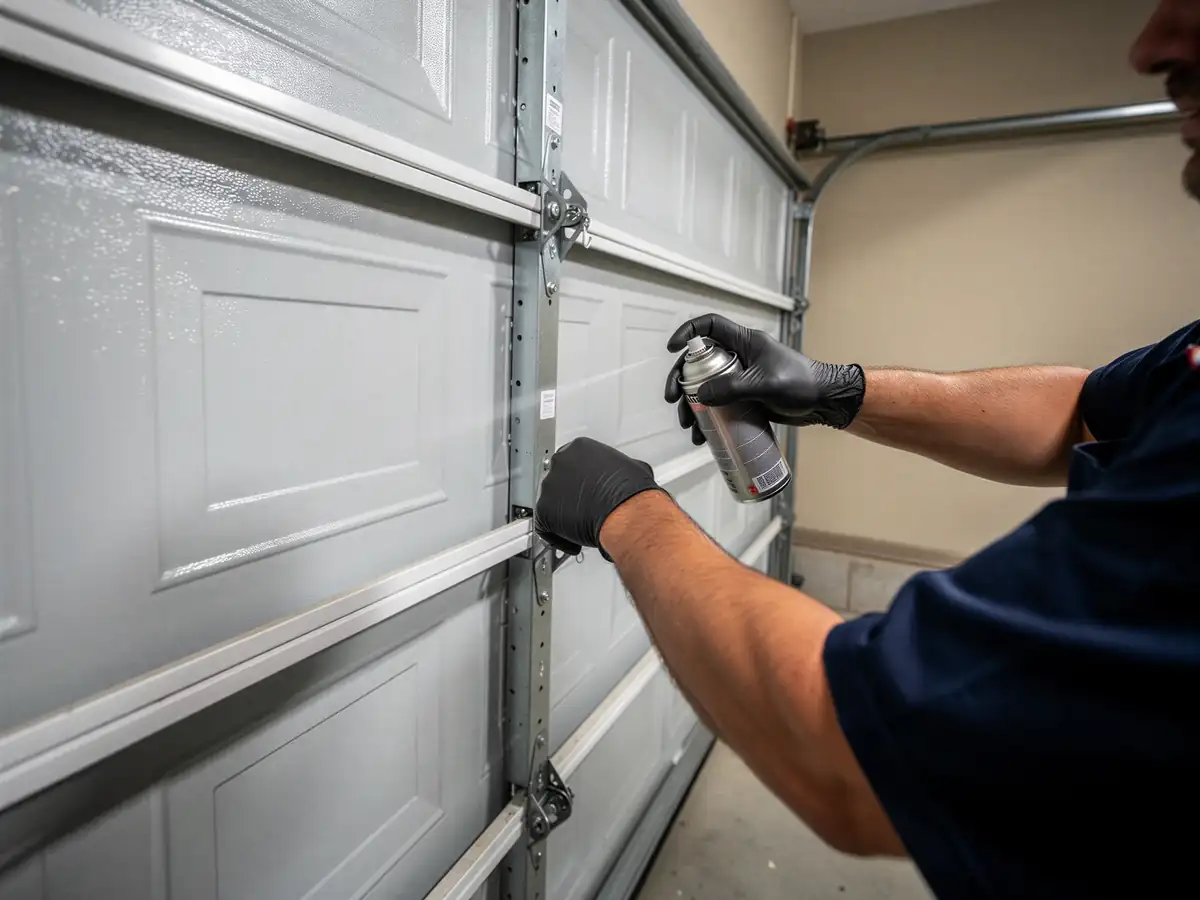
Hazel Dell homes went up mostly in the late 1980s - the hardware from that era is wearing out together. We drive the 4 miles out from Vancouver to service it.
Learn moreStraight answers about garage door repair in Vancouver. Still unsure? Ask us directly.
About 4 miles from our Vancouver location. It's one of the closer calls we run, which usually means less dead time getting to you and more time left in the visit to actually fix the door.
No. We run every job here out of the Vancouver shop. There's no separate branch or drop point in Hazel Dell - just a short drive on our end, and the same parts and techs you'd get on any call.
Usually not the control board itself; that generation of opener logic is obsolete and parts aren't made anymore. We replace the unit with a current opener on your existing rail, which is often less work than it sounds and comes with a warranty the old board never had.
The area sits in a mild climate with some freeze risk, and that mix of moisture and occasional cold cycles is hard on exposed hardware over time. It's slower than a true cold-climate failure but it adds up, especially on springs and cable ends that were never sealed or lubricated.
Tell us what it’s doing and where you are in Vancouver - we’ll take it from there.